
Vandaag of morgen in huis

Kwaliteit gegarandeerd

Welkomstaanbiedingen ontgrendelen: GRATIS bezorging | Tot 80% korting | Gratis 30 dagen JoyPlus-proefperiode
Download de app
If you want to buy biscuits and crackers online, you will quickly come across a wide selection of sweet biscuits, savoury crackers, coffee biscuits and snacks for when you are out and about. The packaging often makes it clear straight away what occasion the product is intended for, but important differences are usually hidden in the small print. Consider portion size, fibre, salt, allergens and how well the packaging keeps the contents fresh after opening.
This practical guide helps you compare products using verifiable information, rather than relying solely on flavour claims or eye-catching images.
A family-size bag may seem appealing, but once opened, biscuits and crackers lose their crisp texture more quickly if the packaging does not close properly. Individual portions can sometimes be more convenient for lunchboxes, the office or snacks on the go. So do not just compare the total contents; also look at the number of bags and the price per 100 grams.
Check the ingredients list. For wholegrain crackers, the proportion of wholegrain flour should be clearly stated. According to the product information, Bolletje Light Whole Grain Crackers contain 100% wholegrain cereals and 15 grams of dietary fibre per 100 grams. Lu Vitalu Multiseed states 69.2% wholemeal wheat flour, supplemented with ingredients including sesame seeds, linseeds and pumpkin seeds.
A description such as “with cereals” or “multigrain” can also mean that only small amounts of different grains have been added.
In chocolate biscuits, Tuc paprika or bacon crackers and savoury biscuits, the flavour may come from herbs, flavourings or flavour enhancers. That is not necessarily a problem, but it is useful information when comparing products. For example, Tuc Bacon Flavour Crackers contain milk in the flavourings and list various flavour enhancers. If you have an allergy or intolerance, always read the current packaging.
Allergens must be clearly indicated on the label. This range includes wheat, gluten, milk, egg, soya, sesame, sulphites and nuts, among others. A product may also contain traces of other allergens. The product page is a useful starting point, but always check the packaging before use, particularly as recipes may change.
Compare products on the same basis: energy, fat, saturates, carbohydrates, sugars, fibre, protein and salt per 100 grams. This makes it easier to see the difference between coffee biscuits and wholegrain crackers.
“High in fibre” or “source of fibre” can therefore only be assessed properly by checking the value on the label. Nutrition claims are also subject to European requirements, so a brand claim is no reason to overlook other nutritional values.
For a coffee break, ordinary coffee biscuits or speculaas biscuits are often a better choice than large toast crackers. For drinks and nibbles, mini crackers, Tuc crackers and crackers with olive oil or herbs are practical with dips and toppings. For breakfast or lunch, wholegrain and multigrain crackers can be a sensible choice if you pay attention to the grain content and fibre value.
Also consider how the portions are divided:

Why it suits this profile: A straightforward pack containing around 28 biscuits for coffee, tea or sharing at home.
The contents and nutritional values are clearly stated, so you do not have to rely on the packaging alone.
250 grams of product, approximately 28 biscuits and ideal for an everyday coffee break.
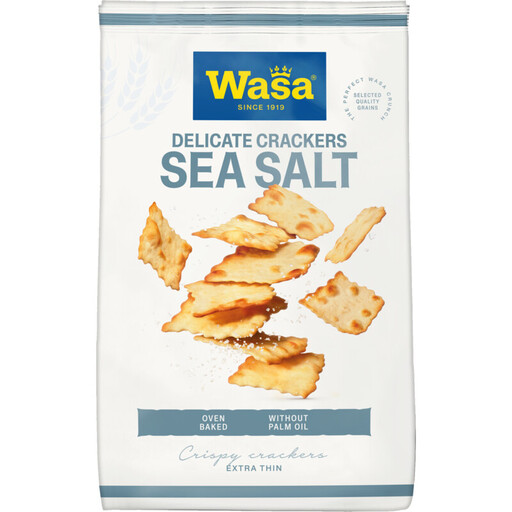
Why it suits this profile: Small crackers with olive oil and sea salt for drinks and nibbles, dips or a light snack.
The product information states the olive oil content of 6.7%, the fibre value and potential allergens.
180 grams, bite-size pieces, 5.4 grams of fibre per 100 grams and ideal for dips.
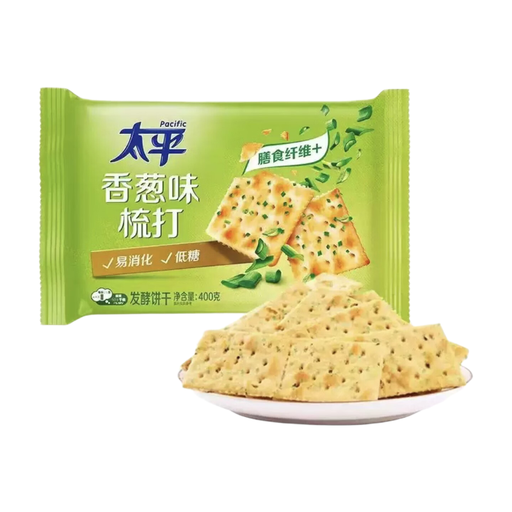
Why it suits this profile: Handy for families, office supplies, parties and sharing, thanks to the 16 individual packs.
The portions are individually wrapped, so you do not have to open the whole family pack at once.
400 grams in total, 16 bags, 2.1 grams of sugar and 1.2 grams of salt per 100 grams.
We have put together a complete, up-to-date list of products that fully meet these strict selection criteria and the applicable European safety regulations.
Use this quick checklist before placing an order:
For a sweet selection, you can mix and match chocolate biscuits, speculaas biscuits, breakfast biscuits and coffee biscuits. For savoury occasions, Tuc Original, Tuc Paprika, Wasa Delicate, Lu Mini Cracker and multigrain crackers with seeds are practical options. This way, rather than buying one product for every occasion, you can put together a selection that suits your household.
Small packs and individual portions are the most practical. The 40-gram Tokimeki Panda Cookie Biscuit, 40-gram Binqi Biscuit Sticks and Belvita packs of four biscuits fit easily into a bag or lunchbox. After opening, check the storage instructions on the packaging.
Not always. Look at the stated fibre content per 100 grams and the proportion of wholegrain flour in the ingredients list. Bolletje states 15 grams of fibre per 100 grams, while Wasa Sesame states 9 grams. These are product-specific figures and are not a general guarantee for all wholegrain crackers.
Store them according to the product information in a cool, dry place, away from direct sunlight and sources of heat and moisture. Seal the packaging securely after opening. Individual bags or resealable packs can help keep the rest of your supplies in good condition for longer. Always check the current date and instructions on the label.
