
Vandaag of morgen in huis

Kwaliteit gegarandeerd

Welkomstaanbiedingen ontgrendelen: GRATIS bezorging | Tot 80% korting | Gratis 30 dagen JoyPlus-proefperiode
Download de app
If you want to buy biscuits and cookies, you’ll quickly find a huge range online, from international biscuits and chocolate biscuits to crackers, wafers and filled biscuits. That wide selection is useful, but it can also make comparing products more difficult. Eye-catching packaging tells you little about the quantity, ingredients or whether a product suits your household.
Use this practical guide to check the facts first. Then you can order biscuits to enjoy with coffee, share with your family or at a party, or try as an introduction to Indian, Turkish, Korean and Japanese snacks.
A jumbo pack may cost less per gram, but it’s less practical if you live alone or don’t eat many biscuits. Once opened, biscuits can lose their crunch. So check the net weight, the number of individual packs and the storage advice.
A large pack such as the Parle G Biscuit Jumbo Family Pack, 799 g is best suited to families, entertaining or stocking the cupboard. Smaller packs make more sense if you want to try different flavours.
Words such as ‘birthday cake’, ‘salted caramel’ or ‘strawberry’ suggest a flavour, but don’t tell you how much fruit, cocoa or dairy a product contains. Always check the ingredients list. A substantial proportion of filled biscuits is often filling, while the coating or cream in chocolate biscuits can make a big difference to their nutritional value.
Even familiar brands such as Oreo biscuits, KitKat wafers and Pocky sticks may have different varieties in different countries. So check the packaging of the product you receive.
Wheat, milk, soya, egg, nuts and sesame are common ingredients in biscuits and sweet snacks. ‘Vegetarian’ also doesn’t automatically mean free from milk, egg or other allergens. Read the allergen information before buying, especially for international products.
Always refer to the product packaging. Online information can change or be incomplete. If you’re unsure about allergens, gelatine or shared production lines, don’t eat the product until you’ve checked the label.
Don’t compare the price per pack alone. Check:
A multipack with several smaller packs can be handy for the office, school or a family. A single large pack may be just right for a party platter.
Ingredients are listed in descending order by weight. Check the first few ingredients and look out specifically for:
For example, Parle G biscuits list wheat flour, sugar, vegetable oil and milk powder, and are described in the product information as suitable for vegetarians. Tuc Cheese Crackers list wheat, milk and sulphites, among other ingredients. These are facts you can check, and they matter more than a general flavour description.
The nutrition table makes it easier to compare products. Pay particular attention to sugars, fat, saturated fat and salt. Crackers aren’t automatically a lighter option just because they taste savoury; Tuc Original Crackers, for example, contain 1.7 g of salt per 100 g. Sugar content can vary considerably between plain biscuits, filled biscuits and chocolate products.
These figures aren’t personal dietary advice. They simply help you make a more informed choice from the biscuit range.
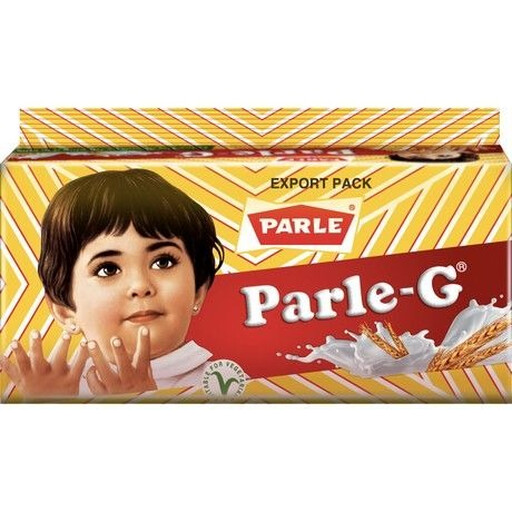
Why it suits this profile: The large pack is practical for families, entertaining or anyone who regularly serves biscuits with tea or coffee.
The 799 g weight is clearly stated, so you can compare the price per gram rather than judging by the pack size alone.
Mildly sweet and described as crunchy in the product information. Suitable for vegetarians and made for sharing.
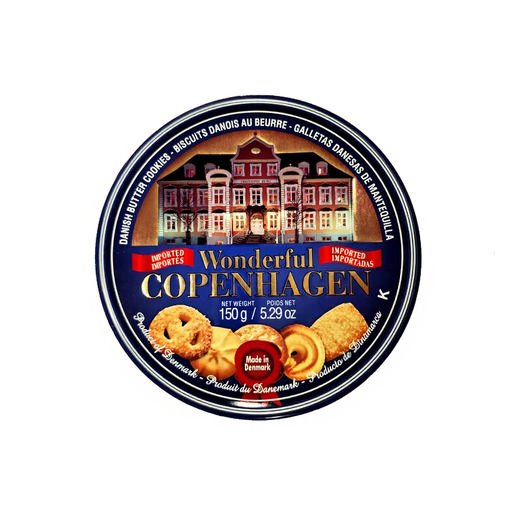
Why it suits this profile: A smaller pack of butter cookies is ideal for a coffee break or as a gift-style treat.
The ingredients list states that the biscuits contain 26% butter. Also check for allergens, including milk and nuts, before serving.
150 g, with butter clearly listed as an ingredient and a recipe that includes vanilla flavouring.
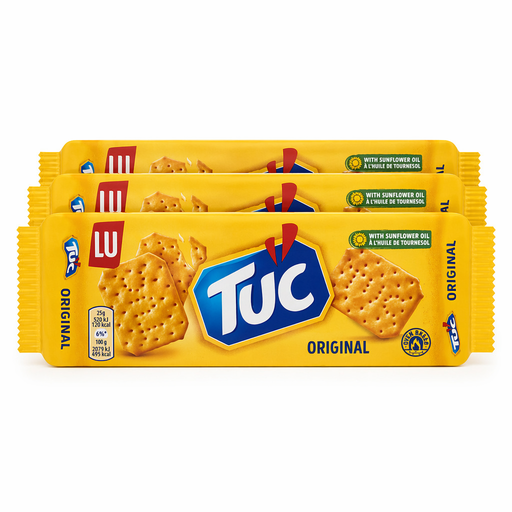
Why it suits this profile: The three 100 g packs are handy for drinks and snacks, stocking up or keeping in different places.
The multipack means you don’t need to keep one pack open for a long time. The product information does list wheat, sulphites and egg, so check the label if you have allergies.
300 g in total, with crunchy salted crackers in three separate packs.

Why it suits this profile: A compact Japanese snack for anyone keen to try a small portion with a strawberry flavour.
At 45 g, it’s a small pack, so you don’t have to buy a large quantity of an unfamiliar flavour straight away.
Biscuit sticks with a strawberry flavour; the product information lists wheat, milk and soya as allergens.
We’ve put together a complete, up-to-date list of products that meet these strict selection criteria and the applicable European safety regulations.
Check the net weight, ingredients, allergens, country of origin and best-before information. Products from India, Turkey, Korea or Japan may have a different recipe or packaging from European varieties. Always use the label on the pack you receive as your final check.
Follow the product instructions and store them in a cool, dry place, away from direct sunlight and moisture. Close the pack securely. An airtight container helps keep biscuits crunchy, but it doesn’t replace the best-before date or the manufacturer’s instructions.
That depends on the price per 100 grams, the packaging and how quickly you’ll use the biscuits. A large pack may be good value for a family, while several smaller packs can help reduce waste. Compare the quantity and shelf life, then choose your favourite flavour.
