
Vandaag of morgen in huis

Kwaliteit gegarandeerd

Welkomstaanbiedingen ontgrendelen: GRATIS bezorging | Tot 80% korting | Gratis 30 dagen JoyPlus-proefperiode
Download de app
Buying beer online may seem straightforward, but the range varies widely in flavour, alcohol content, packaging and volume. A product photo tells you little about what you’ll actually be choosing. If you focus only on the brand, discount or number of cans, you could end up with beer that isn’t right for the occasion.
The main pitfalls:
Start with the alcohol content. A standard lager is often around the mid-range for alcohol content, while a blonde ale or tripel can be considerably stronger. For example, Hertog Jan Tripel in the range lists 8.5% alcohol, while Hertog Jan Weizener lists 5.7%. That difference affects not only the flavour, but also how much you’ll want to stock up on responsibly.
For alcohol-free beer, check whether the product is labelled 0.0%. Heineken 0.0 is available in a pack of 12 x 250 ml. The product information describes a refreshing flavour with fruity notes and a slightly bitter finish. Hertog Jan 0.0 product information also lists 0% alcohol, a light bitterness and a fruity hop aroma. Always check the current label when your order arrives.
A case of beer could contain small bottles, large cans or a combination. So, work out the total volume:
For a barbecue or party, a crate of beer or a case of beer is practical, but a smaller multipack is more convenient if you want to try different styles. A pack of 24 x 50 cl, such as Tyskie or Zywiec, also takes up more room in the fridge and cupboard than 330 ml cans.
Most regular beers contain malted barley and therefore gluten. Some varieties also contain wheat, maize, herbs, fruit concentrate or sugar. For example, Hertog Jan Weizener lists barley, wheat, coriander and orange peel. According to the product information, Lindemans Kriek contains ingredients including cherry concentrate, malted barley and wheat.
Also look out for terms that don’t always refer to an official beer style. Dark wheat beer, for example, may refer mainly to its colour and flavour profile, so check the full product description. Belgian, Polish and Thai beers may have different recipes, bottle sizes and labelling from what you’re used to.
For one or two people at home, packs of 4 or 6 are often easier to manage than a case of 24. For a party or larger group, a case of 24 cans or bottles is more efficient. Want to compare different flavours? Try combining lager with blonde ale, tripel, fruit beer or alcohol-free beer.
Consider these practical combinations:
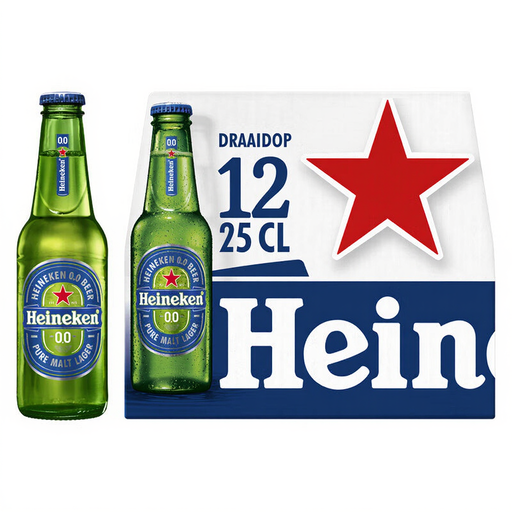
Why it suits this profile: A manageable multipack for anyone who wants to try 0.0 beer without ordering a large case straight away.
The pack lists 12 x 250 ml and 0.0% alcohol, so the volume and alcohol category are clear before you buy.
0.0% alcohol; 12 small 250 ml bottles; the product information describes fruity notes and a slightly bitter finish.
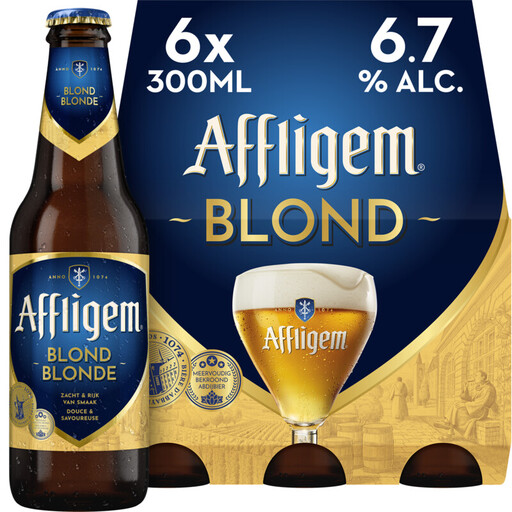
Why it suits this profile: A 6-pack for fans of Belgian blonde beer with a richer flavour than standard lager.
The alcohol content and volume are listed: 6 bottles of 300 ml, with 6.7% alcohol according to the product information.
Belgian blonde abbey beer; 6 x 300 ml; the product information describes a gentle bitterness and fruity notes.
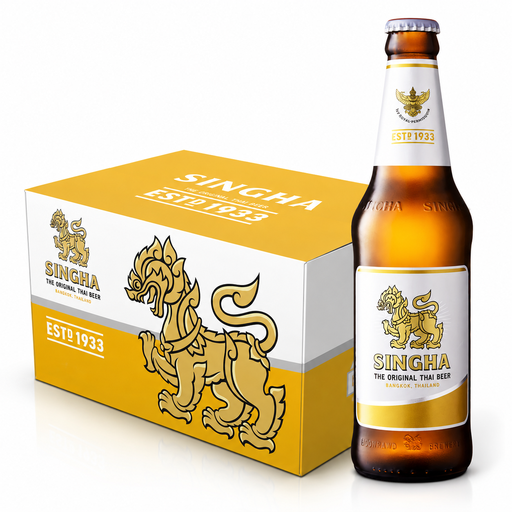
Why it suits this profile: A case of 24 bottles for parties, barbecues or fans of Thai beer with spicy dishes.
The case lists 24 x 330 ml and an alcohol content of 5%, making it easy to work out how much you’ll have in stock.
24 bottles of 330 ml; 5% alcohol; according to the product information, a crisp lager with a light bitterness.
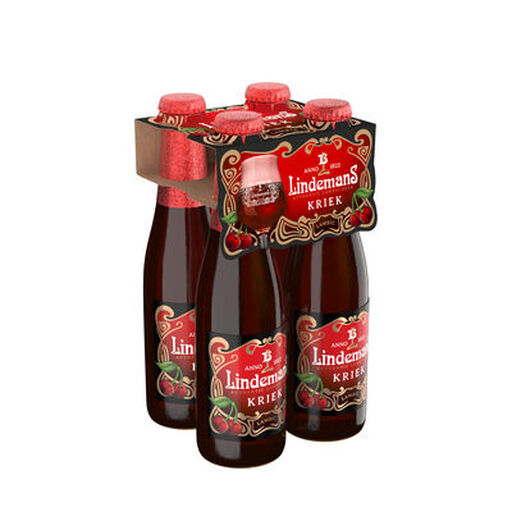
Why it suits this profile: A small pack for anyone who wants to serve cherry-flavoured fruit beer or try it first.
The pack contains 4 x 25 cl, so you don’t have to buy a large quantity of a distinctive fruit beer.
4 small bottles; the product information lists at least 10% sour cherry concentrate; contains barley, wheat and gluten.
We’ve put together a complete, up-to-date list of products that meet these strict selection criteria and the applicable European safety regulations.
It depends on the volume, packaging and price per litre. A case of 24 cans can be good value for a party, while a 6-pack is more practical if you want to try different flavours. Always compare the total number of litres and check whether a deposit or delivery charges apply.
Store beer somewhere cool and dry, away from direct sunlight. Significant temperature fluctuations can affect the quality of the product. Follow the storage advice on the label and check the use-by information on the packaging. It’s best not to put opened bottles or cans away for later.
Many shoppers choose lager for a barbecue thanks to its crisp character. Thai beer such as Singha can work well with spicy dishes, while blonde ale, tripel or fruit beer may suit anyone looking for a more distinctive flavour. Always check the alcohol content of stronger beers and drink responsibly. In the Netherlands, alcoholic drinks may only be sold to people aged 18 and over.
