
Vandaag of morgen in huis

Kwaliteit gegarandeerd

Welkomstaanbiedingen ontgrendelen: GRATIS bezorging | Tot 80% korting | Gratis 30 dagen JoyPlus-proefperiode
Download de app
Buying beer online might seem straightforward, but product pages vary widely in content, origin and packaging. A single bottle of craft beer requires a different decision to a crate for a barbecue. What’s more, terms like “premium”, “crisp” and “full-flavoured” don’t tell you much without verifiable details.
With this practical guide, you’ll focus on the factors that really make a difference when buying craft beer online, lager and international varieties.
A box of 24 cans or bottles can be handy for a party, but less suitable if you want to try different flavours. Always check:
Buying a beer selection pack makes most sense when you’re drinking with several people or want to stock up. For a first taste of a beer style, a smaller pack can be more practical.
Check the ABV in the product specifications. The range includes products with beer 0.0, such as Heineken 0.0 and Leffe Blond Alcohol-Free, but also Jopen Non IPA at 0.3% ABV. These are different categories.
If you want to avoid alcohol entirely, it’s wise to search specifically for a 0.0% label and check the packaging on delivery. Also look at ingredients and allergens; alcohol-free doesn’t automatically mean gluten-free.
Words like “smooth”, “crisp” or “rich” are subjective. Instead, look at objective characteristics such as:
According to the product description for Coedo Ruri Pils, it’s a Japanese pilsner at 5.0% ABV with an IBU of 19. That bitterness value gives you more to go on than a general flavour description alone.
For a workday, lunch or an evening when you need to drive, alcohol-free beer or a low-ABV option could be suitable. Heineken Premium Pilsener 0.0 is listed at 0.0% ABV and comes in a pack of 12 × 250 ml. Heineken 0.0 Pilsner is also available as 24 × 300 ml.
For a meal or a quiet tasting session, you could look at a blond beer with a higher ABV. Texels Springtij has 7.5% ABV according to the product data and falls under strong blond beer. Affligem Blond is listed at 6.7% ABV. Drink these varieties slowly and be mindful of the ABV per bottle.
Packaging doesn’t just affect the price; it also determines how flexibly you can choose.
If you’re looking to buy beer by the crate, pay extra attention to the total weight, the type of packaging and any deposit information. For Dutch products, also check the current details on the product page and the label.
With international beer, the origin can be an important part of your choice. Belgian beer, Japanese beer, Vietnamese beer and Korean beer often differ in style, ingredients and pack size.
Examples from the range:
Always check the allergens on the packaging. Many beers contain barley, wheat or other gluten-containing grains. If information is contradictory, the physical label takes precedence.
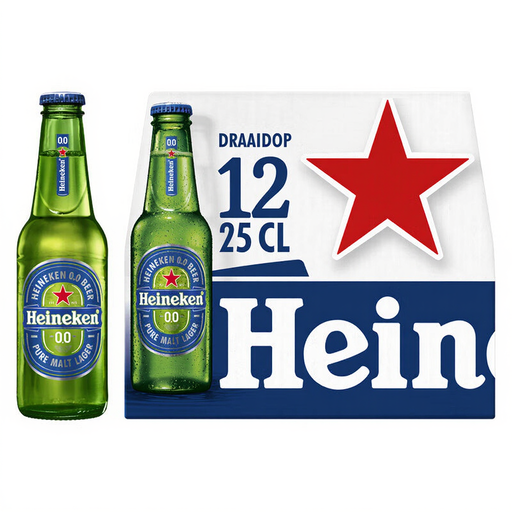
Why this fits the profile: The pack of 12 small bottles makes it easy to serve alcohol-free beer with a meal, birthday or barbecue.
The ABV of 0.0% and the exact volume are clearly stated in the product details, so you don’t have to rely solely on the front of the label.
0.0% ABV, 12 × 250 ml and a compact portion for individual use.
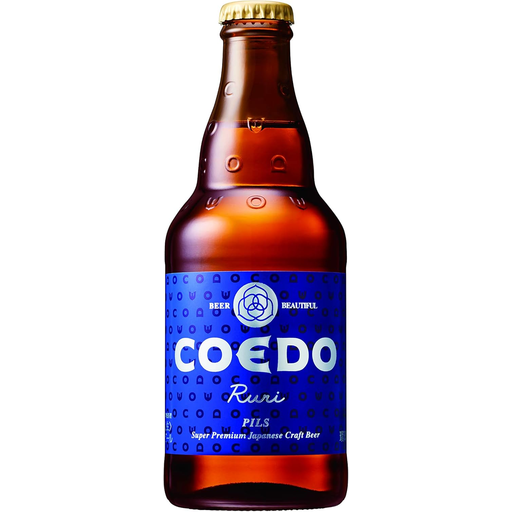
Why this fits the profile: This Japanese pilsner is ideal for those who look beyond ABV to style, origin and stated bitterness.
The product information lists origin, pilsner style, 5.0% ABV and IBU 19. This allows you to base your choice on concrete data.
333 ml, 5.0% ABV, Japanese origin and a stated bitterness value of 19 IBU.
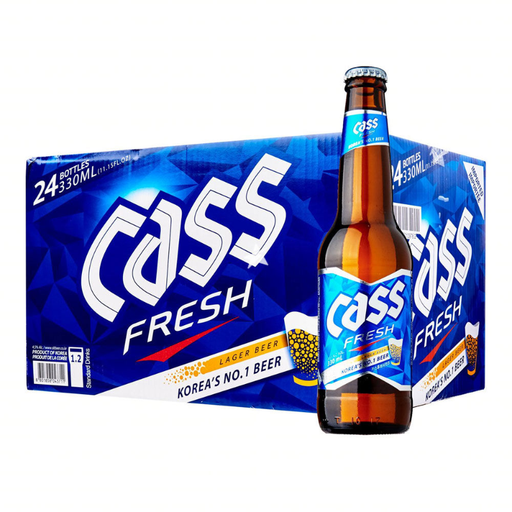
Why this fits the profile: A box of 24 cans is practical for a larger group, a barbecue or stocking the fridge.
The product page lists both 24 × 330 ml and 4.5% ABV. So you can see in advance how much you’re ordering and what drinking occasions it’s intended for.
Korean lager, 24 cans of 330 ml and ideal for sharing.
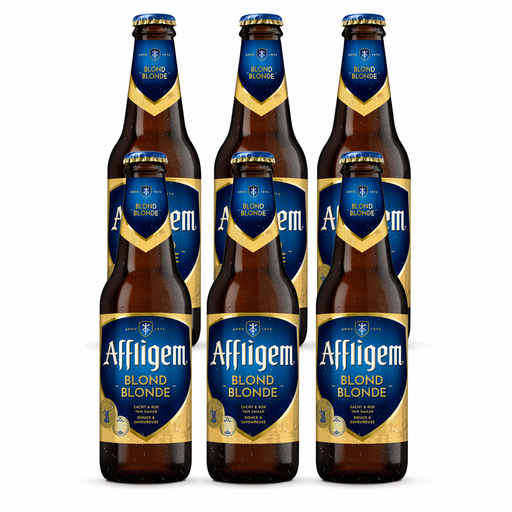
Why this fits the profile: A six-pack of Belgian blond beer is ideal for a dinner, tasting or an evening with a small group.
The packaging, 300 ml volume and ABV of 6.7% are visible upfront. This prevents confusion between a single bottle and a six-pack.
Belgian origin, blond beer, 6 × 300 ml and 6.7% ABV.
We’ve put together a full, up-to-date list of products that fully meet these strict selection criteria and current European safety regulations.
It depends on the packaging, delivery costs and price per litre. A 24-pack can be better value per unit, while single bottles offer more choice. Always compare the total cost and check whether a deposit or other charges apply.
Store beer according to the instructions on the label, usually in a cool, dry place out of direct sunlight. Avoid large temperature fluctuations. Only put beer in the fridge when you’re ready to serve it, unless the packaging states otherwise.
For a barbecue, many shoppers choose pilsner, blond beer or a lager with a moderate ABV. With Asian dishes, you could consider a Japanese, Vietnamese or Korean beer. A wheat variety such as Junsui Yuzu Weisse can, according to the product description, pair well with seafood, salads and light Asian dishes. Drink alcoholic varieties responsibly and be mindful of your own circumstances.
