
Livraison le jour même et le lendemain

Qualité garantie

Débloquez vos offres de bienvenue: Livraison GRATUITE | Jusqu'à -80 % | 30 jours d'essai gratuits à JoyPlus
Téléchargez l'application
Buying beer online gives you access to far more than just lager. You can easily compare Dutch beer, Belgian beer, fruit beer, IPA beer, abbey beer, radler and alcohol-free beer. At the same time, the range is so vast that an attractive product photo or vague flavour description doesn’t always tell you what you’ll actually receive.
So pay particular attention to these common pitfalls:
The alcohol percentage doesn’t just determine the strength – it also helps you compare different beer types. A radler, for example, may have a low alcohol percentage, while a tripel beer or strong Belgian beer can come in at around 8.5%.
Examples from the range:
With alcohol-free beer, always check the exact percentage on the packaging. Also review the product information if you want to avoid alcohol entirely.
A flavour profile is useful as an initial guide, but the ingredients list makes it clear what the product actually contains. When buying fruit beer, for example, look at the type of fruit and the proportion of fruit juice. Lindemans Kriek states a minimum of 10% sour cherry concentrate. Wittekerke rosé states 7% raspberry juice.
With IPA beer, hops and bitterness play a bigger role. According to the product description, Brand India Pale Ale has an alcohol percentage of 7% and a citrusy flavour profile with a soft bitter finish. An abbey beer like Leffe Bruin is described as darker in colour, with sweet, fruity and slightly nutty notes.
Also check:
A 250 ml or 300 ml bottle is practical for trying individually. A beer pack or multipack is better suited if you’re entertaining guests or want to build up a regular stock. When comparing, don’t just look at the number of bottles – also consider the total volume.
A pack of 4 x 330 ml, for example, contains a different amount to 6 x 300 ml. Also pay attention to the closure, bottle type and storage instructions. According to the product information, store beer in a cool place, out of direct sunlight and away from extreme heat. On delivery, check the best-before information and the condition of the packaging.
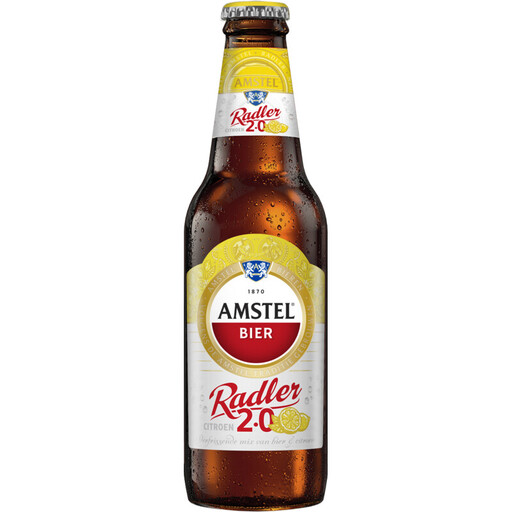
Why this fits the profile: A low alcohol percentage and a handy size make this an accessible choice for anyone wanting to explore different fruity beer mixes.
The alcohol percentage, volume and ingredients are clearly stated. This shows you it’s a beer mix with 5% fruit juice from concentrate.
2.0% alcohol; 300 ml per bottle; lemon, orange and lime juice listed in the ingredients.
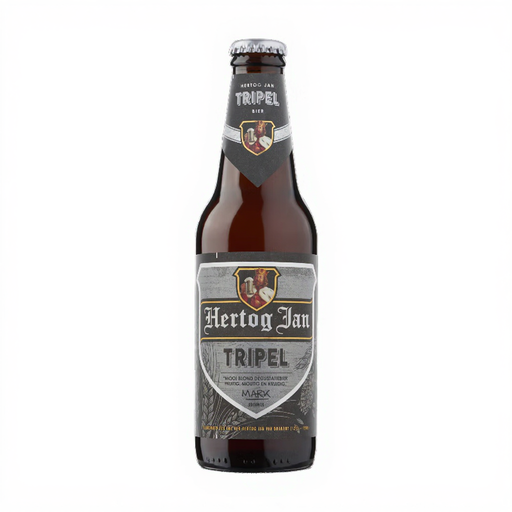
Why this fits the profile: A choice for fans of stronger Dutch speciality beer with a malty, sweet and fruity profile.
The high alcohol percentage is clearly stated. This allows you to distinguish this tripel from lighter speciality beers and tailor your order accordingly.
8.5% alcohol; 300 ml; secondary fermentation in the bottle according to the product description; brewed by Hertog Jan in the Netherlands.
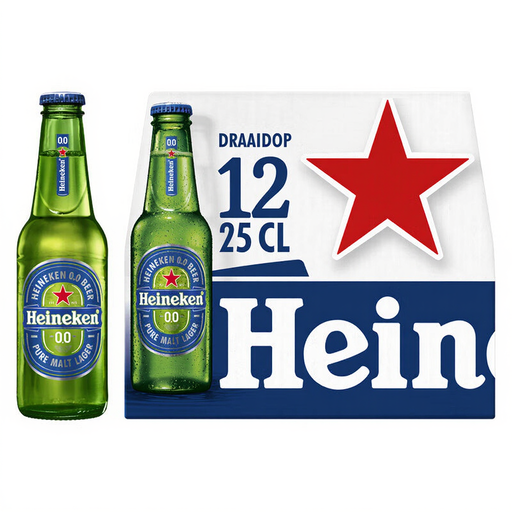
Why this fits the profile: A multipack of alcohol-free beer is practical for households that want to keep a 0.0 option on hand regularly.
The pack size and alcohol percentage are visible upfront. Always check the label and current product information on delivery, though.
0.0% alcohol according to the product information; 12 bottles of 250 ml; 21 kcal per 100 ml stated.
We’ve put together a full, up-to-date list of products that fully meet these strict selection criteria and comply with current European safety regulations.
That depends on the product, packaging and any offers. Compare the price per bottle, can or litre and also factor in delivery costs. A beer pack can work out cheaper per unit, but a single bottle is more convenient if you want to try a flavour first.
First, look at the beer type, not just the country of origin. Dutch beer includes lager, IPA and bock beer, among others. Belgian beer is known for, among others, abbey beer, fruit beer and strong blonde ales. Then check the alcohol percentage, ingredients, volume and flavour description.
The best-before information is on the packaging. Store beer in a cool place, out of direct sunlight and away from large temperature fluctuations. On delivery, check that the bottle or closure is undamaged. If you’re unsure about the quality, it’s best not to consume the product.
When ordering beer, a fixed order helps: first decide on the desired alcohol percentage, then choose the beer type, and finally check the ingredients, allergens, size and price per litre. This way, you compare products based on verifiable information rather than just packaging or marketing language.
