
Same-day & Next-day Delivery

Quality Guaranteed

Unlock Your Welcome Offers: FREE Delivery | Up to 80% OFF | Free 30-day JoyPlus trial
Download the APP
Ordering beer online is convenient. With just a few clicks, you can have a case of pilsner, a selection of craft beers, or your favourite non-alcoholic option delivered to your door. But this convenience has a downside. The selection is overwhelming, and not every deal is what it seems. As a Product Recommendation Officer at Joybuy, I see where shoppers often go wrong. This guide will help you avoid common pitfalls and make a choice that suits your taste and budget.
Before you fill your digital shopping cart, it's wise to be aware of a few marketing ploys and ambiguities that could cost you money.
1. The Misleading "Beer Deal" A large red discount label on a case of beer grabs your attention, but is it really a good deal? Often, prices are promoted without clearly specifying the volume. A deal for 24 bottles of 25 cl can end up being more expensive than a six-pack of 50 cl cans. The only way to see through this is to calculate the price per liter.
2. The Vague "Craft Beer" Promise The term 'craft beer' is used for just about anything. Sometimes you pay a premium price for a beer whose flavour profile barely differs from a standard pilsner. Without clear information about the beer style (like IPA, Tripel, Stout, or Weizen) or the ingredients used, you might buy something that doesn't meet your expectations.
To avoid these pitfalls, there are a few objective specifications you should always check.
The foundation of your choice is the type of beer. The differences in taste are significant, so it's important to know what you're ordering.
Packaging affects not only the price but also the shelf life and flavour.
To help you get started, we've highlighted a few products that cater to different preferences. This selection is based on product specifications and the needs of specific drinkers.
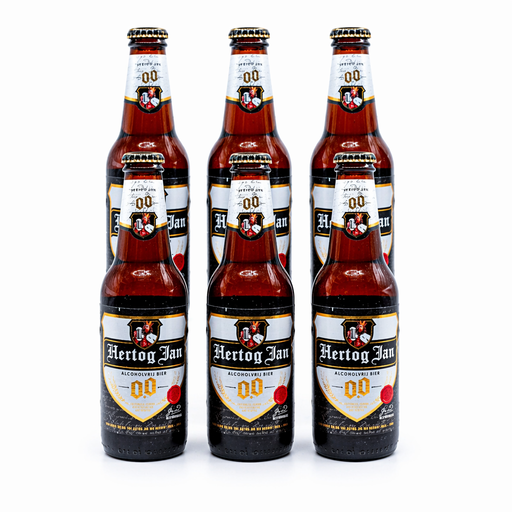
Why This Fits Their Persona: For those who seek the full, characteristic flavour of a pilsner but consciously opt for an alcohol-free version. Perfect for after a workout, during lunch, or when you need a clear head the next day.
This is no watery imitation. According to Hertog Jan, it's brewed using a special process that removes the alcohol only at the very end, thereby preserving the authentic pilsner taste.
Full-bodied flavour with a light bitterness and a hint of sweetness. A recognisable taste from a trusted Dutch brand.
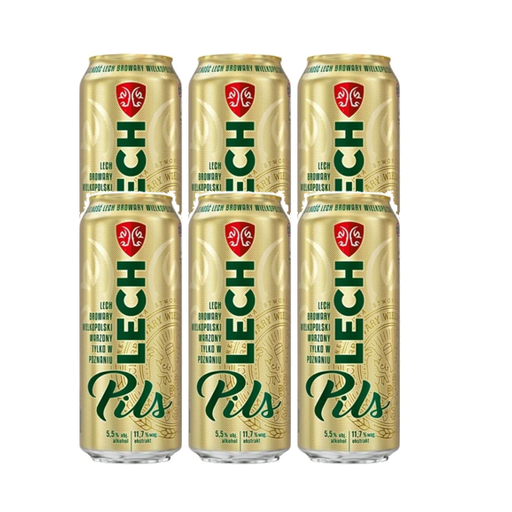
Why This Fits Their Persona: For the pilsner lover who wants a change from the established names. This Polish pilsner offers an approachable, refreshing taste that's perfect for those looking to broaden their horizons without immediately jumping to an extreme craft beer.
This isn't a vague 'craft beer', but a distinct pilsner with its own character. The product information is clear: a classic, easy-drinking pilsner with a balanced bitterness.
High carbonation provides extra refreshment. The 50 cl packaging offers an excellent price-to-quality ratio for an imported beer.
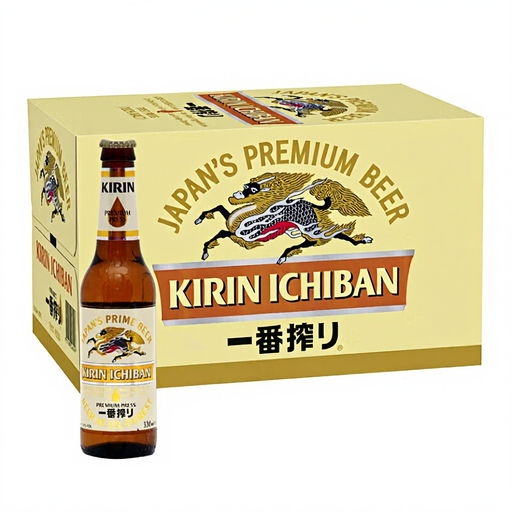
Why This Fits Their Persona: Ideal for those who enjoy Asian cuisine or are looking for a smooth, refined lager. Its crisp and clean taste pairs well with dishes like sushi, ramen, or spicy curries. The 24-pack is convenient to have in stock.
This beer distinguishes itself with a specific feature: the 'Ichiban Shibori' brewing process, which uses only the first press of the wort. This isn't vague marketing, but a specific production method.
A remarkably smooth and clean taste with a crisp finish. A versatile pairing for a variety of meals.
We have compiled a complete, up-to-date list of products that meet these objective selection criteria.
How do I best store beer for optimal flavour? Store beer in a cool, dark place with a constant temperature, ideally between 10 and 12 degrees Celsius (50-54°F). Keep bottles upright to minimise the surface area in contact with air and to keep any yeast sediment at the bottom. Avoid direct sunlight and major temperature fluctuations.
Is a case of beer on sale always the best deal? Not necessarily. As mentioned earlier, the price per liter is the only objective measure. Compare the price per liter of a case with that of other formats, such as six-packs of cans or individual bottles. Sometimes you're better off with a different packaging format.
What is the difference between a pilsner and a lager? This is a common question. 'Lager' is the umbrella term for all bottom-fermented beers. A pilsner is a specific, light style within the lager family. Therefore, every pilsner is a lager, but not every lager is a pilsner. Other types of lager include bock or dortmunder.
