
Vandaag of morgen in huis

Kwaliteit gegarandeerd

Welkomstaanbiedingen ontgrendelen: GRATIS bezorging | Tot 80% korting | Gratis 30 dagen JoyPlus-proefperiode
Download de app
Anyone looking to buy beans online will quickly encounter dozens of varieties, pack sizes and preparation methods. A 400-gram bag may look much like a 1-kilogram bag, but the practical differences can be significant. Consider the required cooking time, storage, allergen information and the type of dish you intend to prepare.
Also be cautious with marketing terms such as “premium”, “high protein” or “superfood”. These labels mean little on their own. Instead, focus on the ingredients list, net contents, nutritional values, origin and preparation instructions shown on the product label.
Dried beans are often ideal for pantry storage and larger quantities, but they usually need to be soaked and cooked. Canned beans are more convenient when you want to prepare a meal quickly. Frozen products, such as edamame or green beans, must be stored frozen.
Before buying, check:
A colourful package or claim such as “natural source of protein” is no substitute for checking the label. Nutritional values can vary by variety and product format. Always compare values per 100 grams and check whether they refer to the dry product or the drained product.
Some products list nutritional information that does not correspond to the general product name. That is why you should also check the ingredients list and product image before placing your order.
Beans themselves do not always contain the main EU allergens, but they may be packed in a facility that also handles peanuts, nuts, soy, sesame or gluten. For example, Sunlee Peeled Split Mung Bean states that the product may contain traces of cereals containing gluten, peanuts, nuts and sesame.
Do you have an allergy or food intolerance? Always use the latest information on the packaging. Online product information may change.
The variety determines the texture and how the beans can be used:
A 1-kilogram pack may appear cost-effective, but it is most practical when you use beans regularly. For a first purchase, 400 to 500 grams is often a more manageable quantity. Calculate the price per 100 grams and remember that dried beans increase in volume after soaking and cooking.
When comparing products, look at:
Always follow the instructions on the packaging. Dried beans should be rinsed and often soaked for several hours. Cook them thoroughly afterwards. Dried kidney beans in particular must never be eaten raw or insufficiently cooked.
Store unopened dried pulses according to the label in a cool, dry place away from moisture and direct sunlight. Seal the packaging securely after opening. For frozen products, check the temperature instructions and do not refreeze defrosted products unless the packaging explicitly permits it.
The selections below are based on verifiable product details such as contents, product format, ingredients, origin and stated nutritional values.
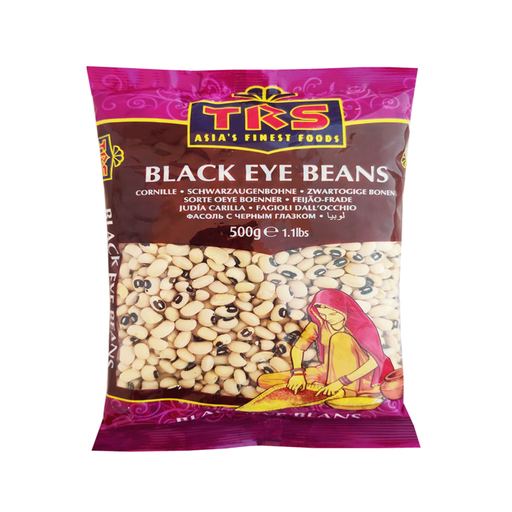
Why it fits: A 500-gram pack is a practical choice if you want to try black-eyed beans in curries, salads or rice dishes.
The product description clearly identifies the contents as black-eyed beans and provides storage information for a dried pantry product.
500 grams; ingredient: black-eyed beans. Packed in a facility that also handles several allergens.
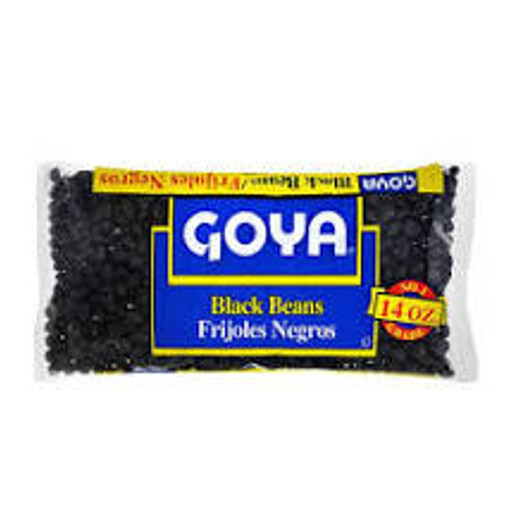
Why it fits: These dried black beans are a natural match for rice and beans, soups, stews and other Latin American recipes.
The product name, ingredients list and preparation options clearly indicate that these are dried black beans, not a ready-to-eat product.
397 grams and, according to the product information, approximately 21.6 grams of protein and 16.6 grams of fibre per 100 grams.
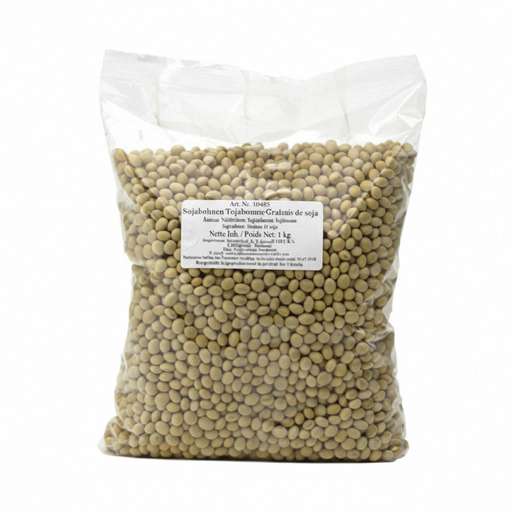
Why it fits: The 1-kilogram pack is practical for anyone who regularly uses soybeans to make tofu, soy milk, soups or other plant-based dishes.
The product information specifies 100% soybeans and gives a clear soaking time of 8 to 12 hours before use.
1 kilogram of product, suitable for a wide range of preparations. Contains soy; take this into account if you have allergies.
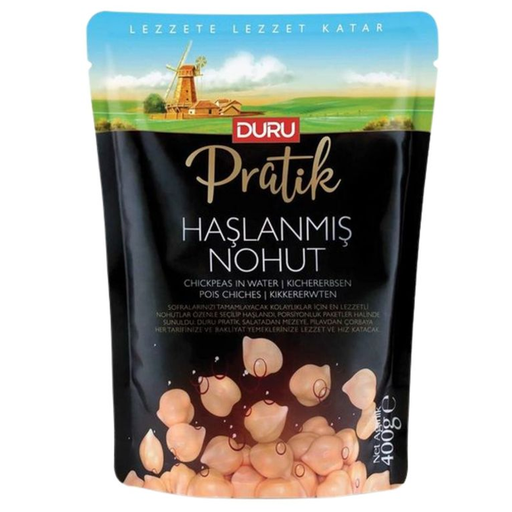
Why it fits: Chickpeas work in rice dishes, salads and soups, making them a versatile choice across a wide range of cuisines.
The product information states the weight, suggested uses, Turkish origin and that no additives, preservatives or colourings have been added.
400 grams, suitable for several meals. According to the label, produced on a line that also processes wheat.
Browse a current selection of beans and pulses, and compare variety, pack size, ingredients and preparation method before ordering.
A practical basic stock could include one variety for quick meals and one or two dried options for dishes that benefit from longer cooking. For example:
If you are looking for a vegetarian source of protein, compare the nutritional values of different pulses. Always use the figures on the specific label, as values vary between dry, cooked, chilled and frozen products.
That depends on the price per 100 grams, the final quantity after preparation and the time you have available. Dried beans have a long shelf life and are convenient when you cook larger quantities. Canned beans save soaking and cooking time, but may contain water and salt. Compare the net contents and, where stated, the drained weight.
Follow the best-before date and storage instructions on the packaging. Store dried beans in a cool, dry place in a tightly sealed container or package. Once opened, protecting them from moisture is essential. Discard the beans if the packaging is damaged or if you notice an unusual smell, discolouration or signs of pests.
Many dried beans benefit from soaking, but instructions vary by variety and brand. According to the product information, soybeans, for example, should be soaked for 8 to 12 hours. Always check the label. Cook dried beans thoroughly and never eat them raw.
