
Vandaag of morgen in huis

Kwaliteit gegarandeerd

Welkomstaanbiedingen ontgrendelen: GRATIS bezorging | Tot 80% korting | Gratis 30 dagen JoyPlus-proefperiode
Download de app
If you want to buy beans online, you will quickly notice a wide range of types, packaging and preparation methods. Are you looking for a quick addition to a midweek meal, or would you rather soak and cook dried beans yourself? The right choice mainly depends on your schedule, recipe and the quantity you need.
When comparing products, do not focus only on words such as “premium”, “natural” or “high in protein”. Check the ingredients, nutritional values, allergen information and storage advice. This will help you avoid choosing a product that does not suit your cooking routine or diet.
Dried beans, such as black beans, kidney beans and mung beans, usually require more preparation. They often need to be rinsed, soaked and cooked thoroughly until tender. This takes more time, but gives you control over the preparation and quantity.
Tinned or jarred beans have already been cooked. You can usually drain, rinse and add them straight to a salad, soup or stew. However, do check the salt content and the full ingredients list. “Ready to use” does not mean that every product has the same composition.
Beans and other pulses are a great fit for vegetarian and vegan meals. However, nutritional values vary by product and by unit of measurement. Dried beans are often listed per 100 grams in their uncooked form, while tinned products are generally assessed per 100 grams of drained product.
For a fair comparison, compare products in the same form. Look at protein, fibre, salt, fat and carbohydrates. A product with sauce, for example, may contain more salt or sugar than a pack containing only beans and water.
Not every pack of beans carries the same allergen warning. Soya beans and edamame naturally contain soya. Some products are processed in an environment where peanuts, nuts, sesame, gluten or mustard may also be present.
If you have an allergy or intolerance, check the current packaging. Product information can change, and the information on the packaging takes precedence.
A 500-gram bag of dried beans will provide a greater edible volume after soaking and cooking than its original weight. With tinned products, it is important to check how much of the contents consists of beans and how much is water or sauce.
A short ingredients list is easy to assess. Examples include “kidney beans, water” or “black beans”. For products with multiple ingredients, such as white beans in tomato sauce, also check the oil, salt, sugar and herbs.
Dried beans should generally be stored in a cool, dry place away from direct sunlight. Seal the pack properly after opening. Do not use damaged packaging.
Frozen products must remain frozen. Once thawed, store them in the fridge and follow the instructions on the packaging. Do not refreeze them if the label does not permit this.
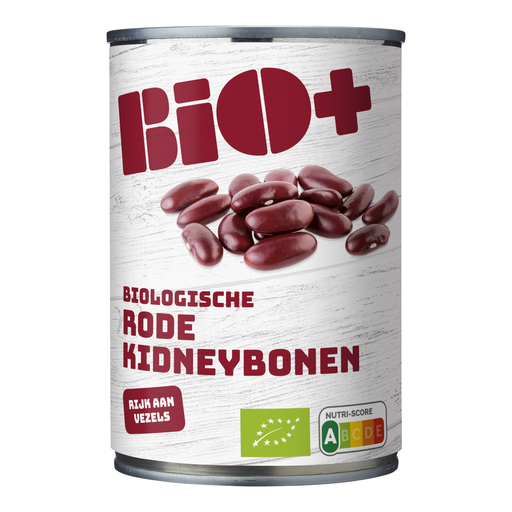
Why it suits this profile: These organic kidney beans are already cooked, making them easy to add to chilli, salads or a stew. The 400-gram pack is a manageable size if you want to try different types of beans.
There is no need to soak dried beans in advance. The ingredients list states kidney beans, water and beans of organic origin; check the current packaging for the latest information.
Organic product, 400 grams and, according to the product information, free from the 14 major EU allergens.
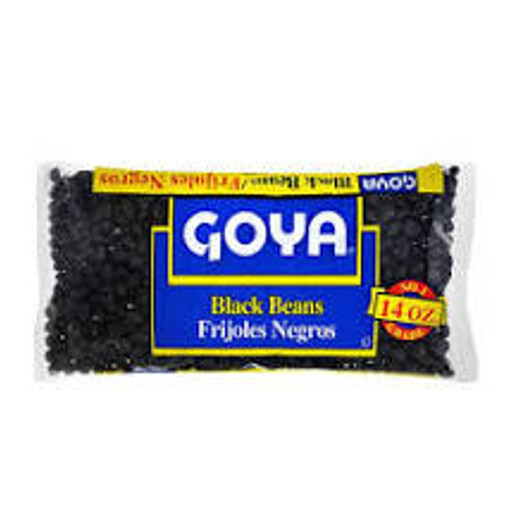
Why it suits this profile: These dried black beans are ideal for home cooks who want to control the texture and preparation themselves. They can be used for rice and beans, soups, stews and Latin American recipes.
The product information makes it clear that these are dried beans. This allows you to plan for soaking, cooking and your preferred portion size.
Ingredient: black beans. The listed nutritional information includes 21.6 grams of protein and 16.6 grams of fibre per 100 grams.
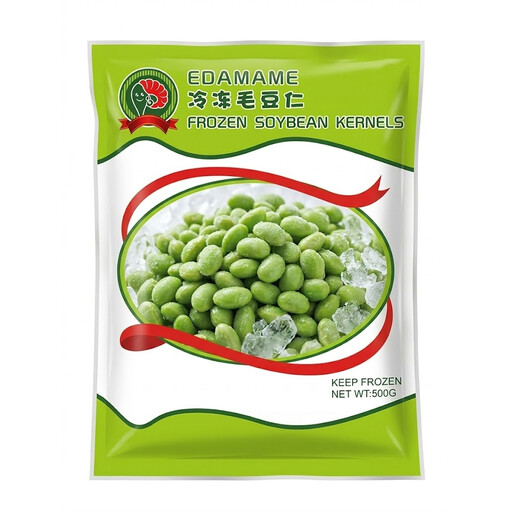
Why it suits this profile: Edamame is ideal for anyone who regularly prepares plant-based meals, Asian dishes, salads or quick snacks and has space in the freezer.
The storage instructions are clearly described: keep frozen, refrigerate after thawing and do not refreeze. This helps prevent poor freezer planning.
500-gram frozen product, suitable for salads, soups or as a snack. Edamame contains soya; bear this allergen information in mind.
We have put together a complete, up-to-date list of products that fully meet these strict selection criteria and the applicable European safety regulations.
For beans for vegans and vegetarians, products with one clearly defined main ingredient are often easy to incorporate into meals. Combine them with grains, vegetables, nuts or seeds for variety in flavour and texture.
Dried beans often offer a favourable price per weight, but they do require preparation and cooking time. Tinned beans are usually more expensive per edible portion, but save time and are convenient for spontaneous cooking. For a fair comparison, compare the price per 100 grams of drained product.
Store unopened dried beans in a cool, dry place in a well-sealed container. Once opened, transfer a tin or jar to a sealed container in the fridge and use it according to the instructions on the label. Frozen beans should remain in the freezer until you are ready to prepare them.
For dried chickpeas, black beans or kidney beans, follow the preparation instructions on the packaging. Pre-cooked chickpeas and tinned beans can generally be used straight away after rinsing. Always check the label, particularly when preparation methods vary from one product to another.
