
Vandaag of morgen in huis

Kwaliteit gegarandeerd

Welkomstaanbiedingen ontgrendelen: GRATIS bezorging | Tot 80% korting | Gratis 30 dagen JoyPlus-proefperiode
Download de app
If you're looking to buy beans, you'll quickly come across dozens of packets with different varieties, weights and preparation methods. The difference isn't just in the name. Dried beans need preparation, frozen products are quicker to cook, and nutritional values can vary significantly from one product to another.
With these practical checks, you can avoid a bad purchase and more easily choose beans for curries, soups, salads, stews or snacks.
A bag of dried beans isn't ready to use straight away. Many varieties need to be rinsed, soaked and fully cooked first. This applies to black beans, soya beans and black-eyed beans, for example. The cooking time depends on the type and age of the beans.
Frozen products, such as green beans, edamame or broad beans, are more practical when you want to cook quickly. Pay attention to the storage instructions: frozen products must stay frozen and, once thawed, should generally not be refrozen.
Terms like "natural", "premium" or "rich source" don't always give you enough information to compare products. Instead, look at the ingredients list, the net weight and the nutritional information per 100g.
According to the product information from Goya, the dried black beans contain approximately 21.6g of protein and 16.6g of fibre per 100g. These figures are more concrete than general marketing language. Always check the label on the packaging, as the composition and nutritional values can change.
Beans are often naturally free from the 14 main EU allergens, but that doesn't automatically apply to every packet or production line. Some products are processed in an environment where peanuts, nuts, sesame, soya, gluten or mustard are present.
With soya beans in particular, it's important to check whether soya is explicitly listed as an allergen. For example, Sunlee Peeled Split Mung Bean states that the product may contain traces of gluten-containing cereals, peanuts, nuts and sesame.
The name largely determines the flavour, texture and preparation:
Watch out for possible translation differences. The product description for EAGLOBE Red Beans 400g mentions adzuki beans. If you're specifically looking for kidney beans, it's a good idea to check the ingredients and image on the product page.
A 400g or 500g packet is practical for trying a variety for the first time. If you use pulses regularly, a 1kg bag can work out better value per portion, as long as the beans are sealed properly and stored in a dry place.
With frozen products, you also need to consider the ready-to-use weight. An 800g bag of green beans is handy for several meals, but it does require enough freezer space.
Check before ordering:
Dried pulses have a long shelf life when stored in a cool, dry place away from direct sunlight. Once opened, a well-sealed container is important to keep out moisture and contaminants.
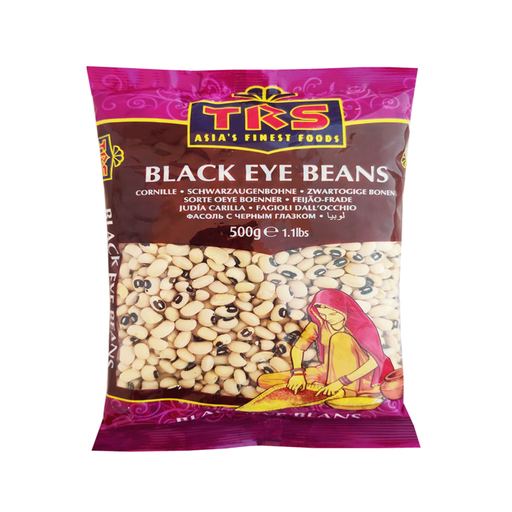
Why this fits the profile: The 500g packet is a manageable size for anyone wanting to try black-eyed beans for the first time in salads, stews or an international meal.
The product page clearly states that these are black-eyed beans and provides guidance on dry storage and checking the packaging.
500g; ingredient: black-eyed beans; suitable for a variety of dishes.
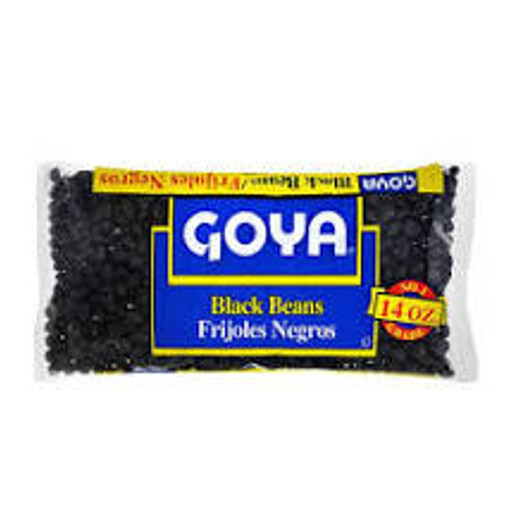
Why this fits the profile: Handy for cooks who want to compare nutritional values and uses before ordering black beans.
The product information lists ingredients, allergens, storage and nutritional values, including approximately 21.6g of protein and 16.6g of fibre per 100g.
397g; 100% black beans according to the ingredients list; suitable for rice, soup and stews.
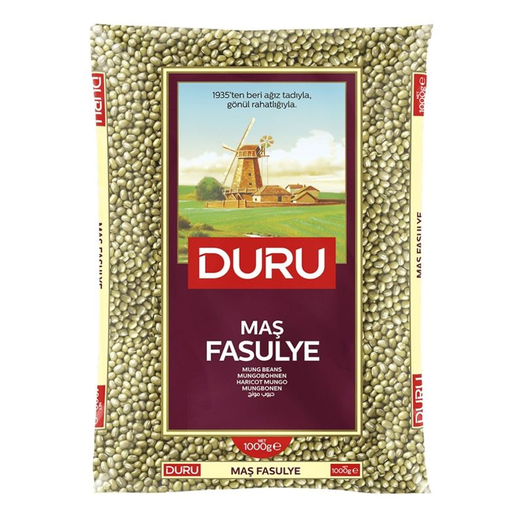
Why this fits the profile: The 1kg bag suits households that regularly use mung beans in curries, soups, salads and vegetarian dishes.
The product clearly states that it is 100% green mung beans and gives specific guidance for dry, well-sealed storage.
1kg; single ingredient; suitable for multiple preparation methods.
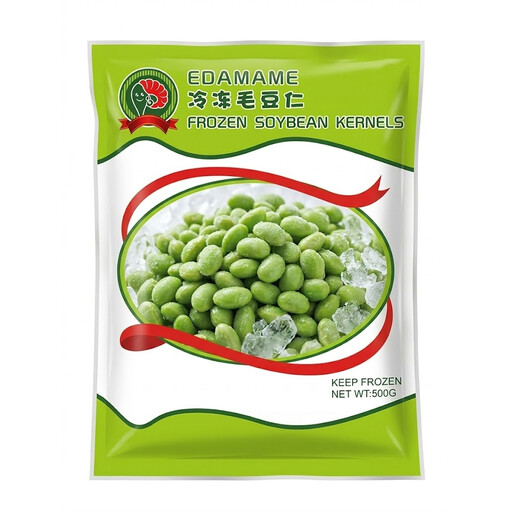
Why this fits the profile: Frozen edamame is practical for salads, soups and snacks when soaking and long cooking times don't fit your schedule.
The product information states that the product is stored frozen and, once thawed, must be kept chilled and not refrozen.
500g; frozen product; according to the product description, suitable for salads, soups and as a snack.
We've put together a full, up-to-date list of products that fully meet these strict selection criteria and comply with current European safety regulations.
Black beans, black-eyed beans, mung beans, chickpeas and soya beans are often used in vegetarian and vegan meals. Check the nutritional information per 100g and see whether the product is made purely from beans. The nutritional value varies by type and brand.
That depends on the type and the instructions on the packaging. Many dried beans need to be soaked before cooking. According to the product information, soya beans, for example, typically require a soaking time. Always follow the preparation instructions for the specific product.
That depends on the weight, the packaging and how much preparation time you factor in. Dried beans are often convenient for stocking up, while frozen beans save time. So compare the price per 100g and choose based on your usage: a large supply for regular cooking or a ready-to-use portion for convenience.
