
Vandaag of morgen in huis

Kwaliteit gegarandeerd

Welkomstaanbiedingen ontgrendelen: GRATIS bezorging | Tot 80% korting | Gratis 30 dagen JoyPlus-proefperiode
Download de app
When you want to buy beans and pulses online, you’ll quickly come across dozens of varieties: dried beans, tinned products, frozen beans and ingredients from Turkish or Asian cuisines. The differences aren’t just about flavour. Preparation time, packaging, nutritional values, storage and portion size all determine whether a purchase is practical for you.
These checkpoints will help you avoid paying for a product that doesn’t suit your cooking routine.
A bag of dried beans requires preparation. You need to check the beans, rinse them, often soak them and then cook them thoroughly until tender. A tin or jar is usually quicker to use, but may contain sauce, oil or salt. Frozen beans are handy for weekday meals, but need to be stored in the freezer at the correct temperature.
So start by looking at the product form:
Words like “natural”, “premium” or “high in protein” mean little without checking the ingredients list and nutritional information table. Always check:
With a prepared product, such as baked beans in tomato sauce, you need to assess the sauce just as carefully as the beans. According to the product description from SERA, the ingredients include white beans, tomato sauce, vegetable oil, salt, sugar, water and herbs. Always check the current packaging before purchasing.
Not every bean behaves the same way in the pan. Black beans, kidney beans, Turkish beans, mung beans and black-eyed beans all differ in cooking time and texture. Dried kidney beans must be cooked thoroughly; follow the instructions on the pack and do not taste raw or undercooked beans.
For everyday use, a larger pack, such as beans 1 kg, is good value if you cook regularly. For occasional use, 400 g or 500 g may be more sensible, so the pack doesn’t stay open for too long.
Choose based on the dish:
Don’t rely solely on the product name. “Red beans” can refer to adzuki beans, for example, while “kidney beans” are a different type. Always read the ingredients and preparation information.
A 1 kg pack may look appealing, but it’s only really practical for households that eat pulses often. Check whether the bag is resealable after opening. Dried products should be stored in a cool, dry place away from direct sunlight. Moisture can affect the quality.
Frozen products must be stored at -18 °C or below according to the product information. Once thawed, they should not be refrozen. Products in sauce or tins have different storage requirements; always follow the label, as information in an online product description can change.
Compare per 100 g rather than per pack. This way you can see the difference between, for example, dried and prepared products. Duru Siyah Fasulye states per 100 g: 23.7 g protein and 21.2 g fibre. For chickpeas, the values may be lower if the product is already cooked or contains a lot of water.
A product may currently state that it contains none of the 14 major EU allergens, while another pack may include warnings about possible cross-contamination. With soya, the situation is clear: soya beans are an allergen and must be clearly labelled.
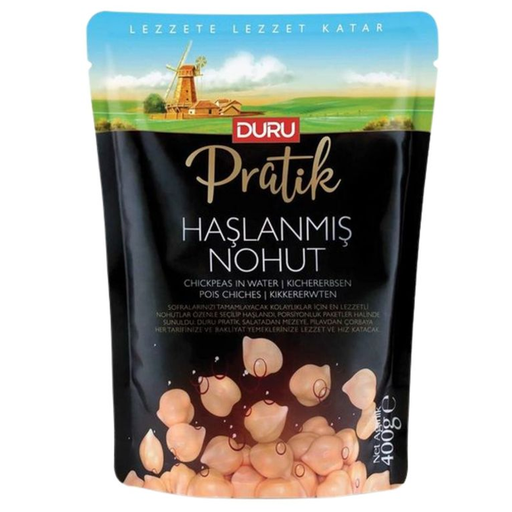
Why this fits the profile: The 400 g pack is manageable for anyone wanting to try chickpeas for the first time in salads, rice dishes or soups.
The ingredients are chickpeas according to the product information. However, do check the warning that the product may have been processed on the same line as wheat.
400 g, origin Turkey and according to the description suitable for rice dishes, salads and soups.
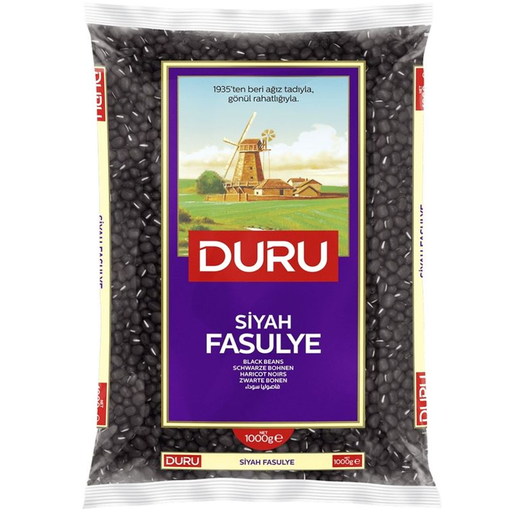
Why this fits the profile: A 1 kg bag is aimed at cooks who regularly use black beans in stews, salads and international dishes.
The packaging states black beans as the product type and makes the portion size clear. With dried beans, soaking and thorough cooking are still essential.
1 kg net weight; the nutritional information states 23.7 g protein and 21.2 g fibre per 100 g.
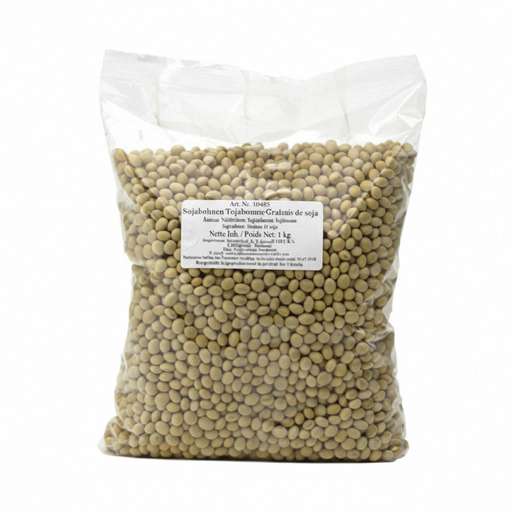
Why this fits the profile: This pack is intended for anyone who wants to make their own soya milk, tofu, soya paste or other plant-based preparations.
The description mentions clear uses and a net weight of 1 kg. Bear in mind a soaking time of 8–12 hours and the presence of the soya allergen.
100% soya beans according to the product description; suitable for tofu, soya milk, soya paste, soups and stews.
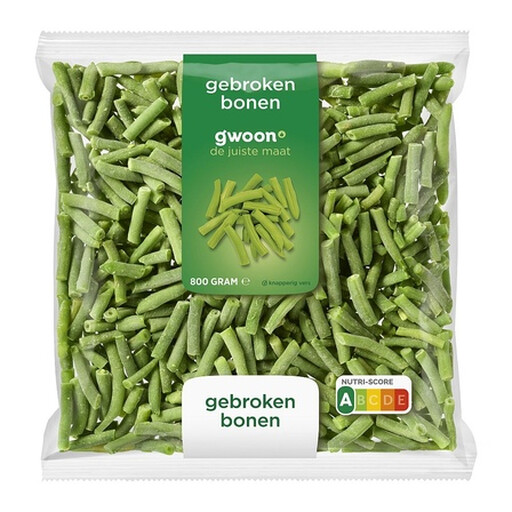
Why this fits the profile: The pre-cut green beans are practical for stir-fries, mash, curry and a quick vegetable side dish.
The ingredients list states green beans as the ingredient. You avoid the soaking and cooking time of dried pulses, but you do need enough freezer space.
800 g net weight and according to the nutritional information 32 kcal per 100 g; store at -18 °C or below.
We’ve put together a full, up-to-date list of products that fully meet these strict selection criteria and comply with current European safety regulations.
The price per weight of dried beans is often lower, but you need to factor in soaking, cooking, energy and the weight after preparation. Tinned beans or beans in sauce save time. So compare the price per ready-to-use portion, not just the price of the pack.
Check the date on the pack and store the beans in a cool, dry place in an airtight container. After opening, a well-sealed pack is important to limit moisture and contamination. Do not use a pack that is damaged and always follow the manufacturer’s preparation instructions.
Chickpeas, black beans, kidney beans, lentils, mung beans, black-eyed beans and soya beans are plant-based ingredients used in many vegetarian and vegan dishes. With prepared products, such as baked beans in tomato sauce, always check the full ingredients list and allergen information.
