
Vandaag of morgen in huis

Kwaliteit gegarandeerd

Welkomstaanbiedingen ontgrendelen: GRATIS bezorging | Tot 80% korting | Gratis 30 dagen JoyPlus-proefperiode
Download de app
When you buy beans and peas online, you’ll quickly come across terms like “high in protein”, “natural” and “healthy snack”. These descriptions don’t always tell you enough about the product that ends up in your basket. A dried pulse, a ready-to-eat meal and a seasoned snack each have a different composition, preparation method and shelf life.
As a Joybuy Product Recommendation Officer, I therefore focus on verifiable information: ingredients, nutritional values, packaging, preparation method, allergens and storage. That way, you avoid paying for a product that doesn’t suit how you’ll use it.
Edamame, peanuts and green peas aren’t automatically comparable. A bag of dried chickpeas, kidney beans or black beans usually contains one main ingredient. A snack, on the other hand, may also contain oil, salt, sugar, flour or flavour enhancers.
So don’t just look at the name on the front. Check the ingredients list and the nutritional values per 100 grams. For example, according to the product information, Gan Yuan Green Peas Original Flavour contains 33.5 grams of fat and 1.9 grams of salt per 100 grams. That’s very different information from frozen peas with no added ingredients.
Dried pulses such as black-eyed beans, soya beans and black beans usually need to be rinsed, soaked and cooked. That requires planning. Canned beans or a dish in sauce are quicker to use, but may contain more salt or other additions.
Also check whether the product needs to be stored in the fridge or freezer. A frozen product like edamame isn’t practical if you have limited freezer space.
Nutritional values are often given per 100 grams, but the product will contain more water after soaking and cooking. So don’t compare dried beans directly with ready-to-eat beans without taking the preparation method into account.
With snacks, the packaging plays a different role. A 75 or 80 gram bag is handy for on the go, but per 100 grams it can be relatively high in energy, fat or salt due to oil and seasonings.
If you cook regularly, you can buy dried kidney beans, chickpeas or mung beans in bulk for good value. For a quick meal, white beans in tomato sauce or a bean casserole are often simpler.
With a single-ingredient product, the composition is straightforward. Examples include B+ Organic Red Kidney Beans with red kidney beans and water, or Double Panda Black Beans with 100% black beans. With composite products, soya, wheat, peanuts, nuts, celery, mustard or sesame may be present.
Pay extra attention when you’re looking for a vegan protein source. “Plant-based” doesn’t automatically mean a product is free from all allergens or suitable for every diet. The packaging remains the deciding factor, especially for products with flavourings.
A 400 or 500 gram pack isn’t always better value than a smaller bag. Look at:
For a family, 800 grams of frozen peas can be practical. For a lunchbox, a bag of crunchy peas or wasabi edamame might be more suitable. If you want to buy beans for several recipes, dried bags of 400 to 900 grams are often more useful.
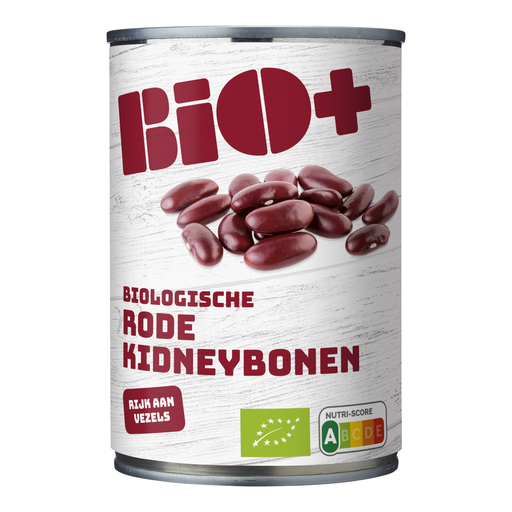
Why this suits the profile: The pack contains red kidney beans, water and organic beans as the main ingredient. This makes the composition easy to check for anyone starting out with pulses.
You can see straight away which ingredients are listed and don’t have to compare a seasoned snack with a staple product.
400 grams; according to the product information, 7 grams of protein and 7 grams of salt per 100 grams; suitable for salads and stews.
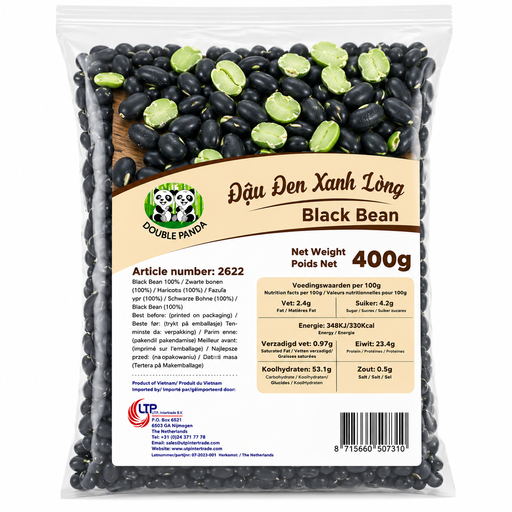
Why this suits the profile: The product information lists black beans as 100% of the ingredient, states a Vietnamese origin and gives a clear preparation method involving soaking and cooking.
The preparation isn’t hidden: allow 6 to 8 hours for soaking and then cooking. That prevents a wrong expectation about serving quickly.
400 grams; suitable for soups, stews, salads and desserts; clear information about storage and preparation.
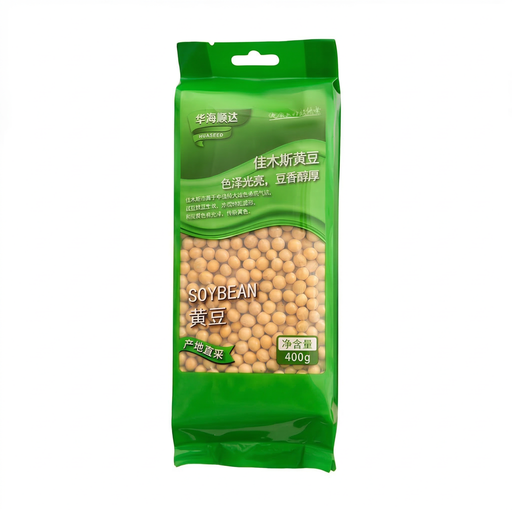
Why this suits the profile: This product is intended for those who want to soak and cook soya beans themselves for porridge, soup or other dishes, rather than choosing a ready-to-eat option.
The packaging states that soaking and cooking are required. So you’re consciously buying a dried product, not ready-to-eat edamame.
400 grams; 100% soya according to the product information; states 33 grams of protein per 100 grams and contains no added salt according to the stated nutritional information.
For a quick meal, Sera White Beans in Tomato Sauce and Hak Bean Casserole Mexican are options with sauce and a short preparation time. Do check the storage instructions and shelf life after opening for these products.
For Asian dishes, Mooijer Soy Seed Edamame, Sunlee mung beans and Golden Turtle Edamame with wasabi are interesting. The last one is a seasoned snack with soya, salt and wasabi powder, so it should be assessed differently from plain edamame.
If you want to buy peas for everyday meals, you could choose g’woon Garden Peas Extra Fine. According to the product information, this frozen product contains broad beans? No: the ingredients list states only garden peas. Bonduelle French Green Beans, on the other hand, are green beans and not green peas; so check the product name carefully.
We’ve put together a full, up-to-date list of products that fully meet these strict selection criteria and comply with current European safety regulations.
Many beans, peas, chickpeas, edamame and soya beans fit within a vegan diet. Always check the ingredients list of composite products, as flavourings or sauces may contain extra ingredients.
The shelf life is stated on the packaging and applies as long as the product is stored dry, cool and well sealed. After opening, check for moisture, damaged packaging and any unusual odour. If in doubt, follow the manufacturer’s information.
Canned beans save preparation time and are handy for spontaneous meals. Dried beans are suitable when you want to prepare larger quantities yourself and plan several recipes. As well as the price, also compare the drained weight, preparation time and salt content.
