
Livraison le jour même et le lendemain

Qualité garantie

Débloquez vos offres de bienvenue: Livraison GRATUITE | Jusqu'à -80 % | 30 jours d'essai gratuits à JoyPlus
Téléchargez l'application
Looking to buy basmati rice for curry, biryani or everyday meals? The choice might seem simple, but packaging and marketing claims can disguise important differences. A bag labelled “extra long” won’t automatically suit every dish. And a larger pack is only good value if you can store the rice in a cool, dry place and keep it sealed.
The main pitfalls to watch out for are:
Basmati is known for its long, aromatic grains, but there are clear differences between varieties. Extra-long basmati rice is particularly appealing when the grains are a visible feature of the dish, such as biryani, pilaf or pulao. Regular basmati rice may be a more practical choice for curry and everyday meals.
Check the description:
With Golden Sella basmati rice, it’s worth noting that it is parboiled. India Gate’s product description says the grains develop a golden colour during processing and can withstand cooking and stirring better. This is a product specification, not a guarantee that every dish will turn out the same.
The right amount depends on how much rice you use and how much storage space you have.
Don’t just compare the total price. Divide the price by the number of kilos, and check how the rice is packaged too. Vacuum packaging, as noted in the product description for Akash Basmati Rice 10 KG, can help preserve the aroma while the pack remains intact. Once opened, it’s still important to store the rice in an airtight container.
Rice usually contains very few ingredients, but always check the label. Look for:
Store dry rice in a cool, dry place, away from direct sunlight. Seal the pack properly after each use and don’t use the product if the bag is damaged. The information on the product packaging takes precedence, as online information may change.
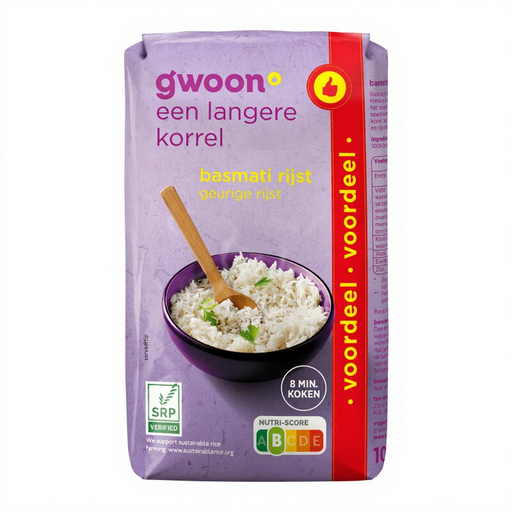
Why it suits this shopper: A 1 kg pack helps reduce waste and is a manageable size if you’re trying basmati rice for the first time or don’t cook rice every week.
You don’t have to buy a large quantity before you know whether the grain and flavour work well with your dishes.
1 kg; 100% basmati rice according to the product information; suitable for everyday use.
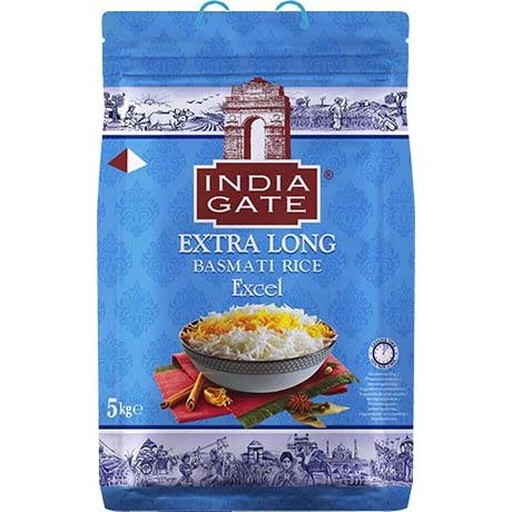
Why it suits this shopper: The extra-long grains are well suited to dishes where aroma, separate grains and presentation matter, such as biryani and pilaf.
The product information specifically mentions extra-long grains and uses such as biryani and pulao, rather than relying on a vague quality claim.
5 kg; extra-long basmati rice; described as suitable for biryani, pilaf and pulao.
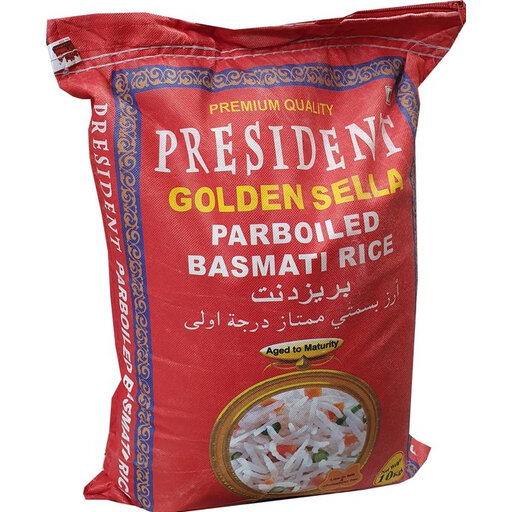
Why it suits this shopper: The large pack and parboiled variety suit catering businesses, restaurants or households that often prepare rice for curry, pilaf and biryani.
Its parboiled status is clearly stated, so you can choose this variety for dishes where the rice needs to stay firm while being stirred.
20 kg; parboiled Golden Sella; described as suitable for biryani, curries and pilaf.
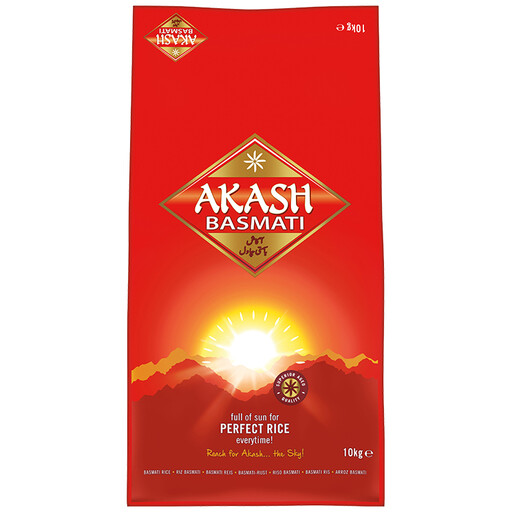
Why it suits this shopper: A 10 kg pack gives families who eat rice several times a week a good supply, without going straight to a 20 kg bag.
The packaging provides a resealable storage option and recommends keeping the rice in a cool, dry place. This makes it easier to manage your supply.
10 kg; long, slender grains according to the product description; suitable for curry, pilaf and biryani.
We’ve put together a complete, up-to-date list of products that meet these strict selection criteria and the current European safety requirements.
Rinse the rice until the water runs mostly clear. With many varieties, soaking for 20 to 30 minutes helps the grains cook more evenly. Then use the ratio on the packaging or in your recipe. For example, the product information for Indian Gate Wada Kolam Rice gives a ratio of 1 part rice to 1.5 parts water, but other varieties may need a different amount.
Keep the lid on as much as possible while the rice cooks. Leave it to stand for a few minutes after cooking, then fluff the grains with a fork. This helps you avoid assuming that the cooking result is down to the product name alone.
Yes. Its long, aromatic grains go well with curry and pilaf. For pilaf or biryani, you could choose an extra-long or Golden Sella variety, and follow the cooking instructions on the packaging.
That depends on the best-before date, storage and hygiene. Keep the rice in a cool, dry place, sealed and away from direct sunlight. Use a clean, dry measuring cup, and check the packaging for damage or any changes.
The price per kilo may be lower, but that’s not always the case. Compare the price per kilo and consider your storage space, how quickly you’ll use the rice and the risk of leaving the bag open for too long. For many households, 5 kg or 10 kg of basmati rice is a more practical compromise.
