
Livraison le jour même et le lendemain

Qualité garantie

Débloquez vos offres de bienvenue: Livraison GRATUITE | Jusqu'à -80 % | 30 jours d'essai gratuits à JoyPlus
Téléchargez l'application
Looking to buy basmati rice for everyday meals, biryani or a restaurant kitchen? You’ll quickly come across 1, 5, 10 or 20 kg bags. However, the packaging doesn’t always tell you how the rice will turn out in your kitchen. So don’t just look for words such as “premium”, “extra-long” or “aromatic”. Pay particular attention to the ingredients, processing method, pack size and intended use.
A 10 kg bag of basmati rice can be good value for a large family, caterer or restaurant. But if your household only eats rice a few times a month, a bag that size takes up a lot of storage space. Once opened, it needs to be sealed properly and kept somewhere dry. Otherwise, moisture, odours and pests can affect the quality.
Extra-long basmati rice often makes an impressive centrepiece in biryani and celebratory dishes. Regular long-grain rice may also work well in pilaf, pulao or everyday curries. Grain length is just one factor, so also consider the cooking method and whether the rice is parboiled or steamed.
Words such as “light”, “easy to digest” or “low in fat” appear in product descriptions, but they don’t automatically guarantee a particular experience. Check the ingredients list, nutrition table and allergen information on the packaging. If a product is labelled gluten-free rice, it’s always best to check the current packaging, especially if you have an allergy or intolerance.
Regular white basmati is suitable for curries, pilaf, pulao and many everyday rice dishes. Golden Sella basmati rice is parboiled: the grains are partially steamed before milling. According to India Gate’s product information, this process helps the grains hold their shape better during cooking and stirring. This can be useful for biryani, buffets and large kitchens.
Bear in mind that parboiled rice has a different colour and texture from white basmati. So don’t choose on price alone; think about the result you want on your plate.
According to the product descriptions, aromatic basmati rice consists of basmati rice with no added flavourings. Check that the label actually says 100% basmati rice or “basmati rice”. Extra-long-grain products may look longer and fluffier once cooked, but the exact result also depends on rinsing, soaking, the amount of water and the pan you use.
The products mentioned generally list just one ingredient. Lassie Basmati Rice is an exception: it’s pre-cooked rice containing, among other things, water, sunflower oil, salt and sunflower lecithin. This variety is designed for speed, rather than being cooked in the same way as dry rice.
Use this practical guide:
When comparing a large pack of basmati rice, look at the price per kilo as well as the total price. Also check whether the bag has a handle, a resealable closure or vacuum packaging. According to Akash’s product information, the 10 kg bag is vacuum-packed; it still needs to be sealed properly after opening.
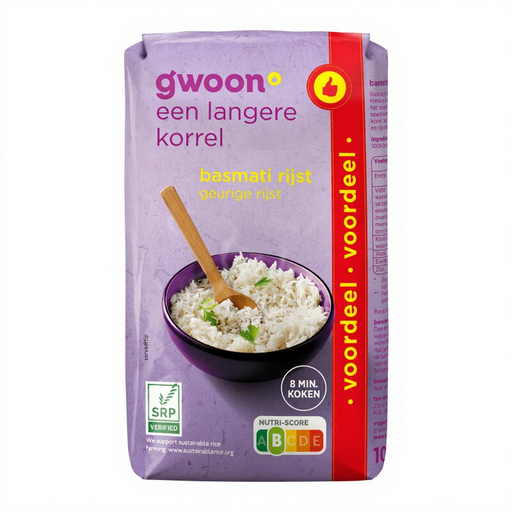
Why it suits this need: The 1 kg bag takes up little storage space and is a practical choice if you want to try basmati before buying a larger pack.
You won’t be left with a large pack that takes a long time to use up. The ingredients list states 100% basmati rice.
1 kg pack, 100% basmati rice according to the product information, and suitable for everyday use.
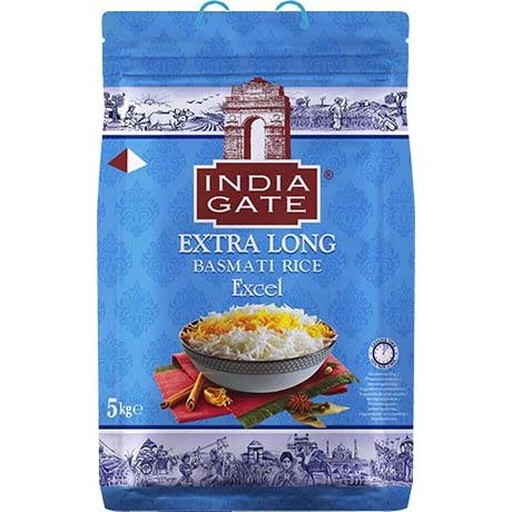
Why it suits this need: The extra-long grains and 5 kg pack are a good fit for celebratory meals, biryani, pilaf and occasions when presentation matters.
The product information specifically mentions extra-long grains and use in biryani and pulao, rather than relying only on a general claim about aroma.
Extra-long grains, 5 kg pack and, according to the product information, a fluffy, aromatic texture when cooked.
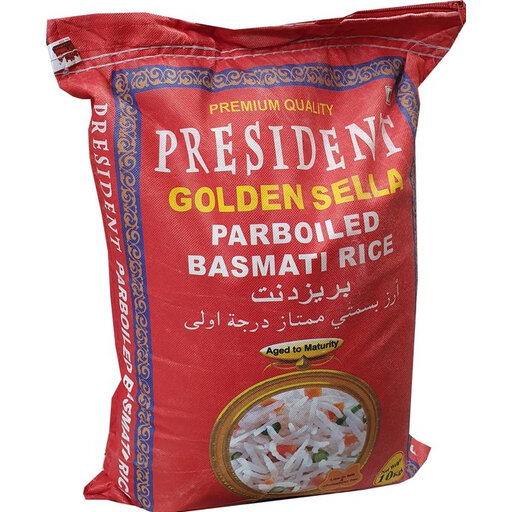
Why it suits this need: The 20 kg pack of parboiled rice is aimed at large households, caterers and professional kitchens with high rice consumption.
The product information clearly states that this is parboiled basmati rice, so you know in advance that it isn’t standard white basmati.
20 kg bulk pack, Golden Sella processing and, according to the product information, suitable for biryani and curries.
We’ve put together a complete, up-to-date list of products that meet these strict selection criteria and current European safety regulations.
Rinse dry basmati under cold water until the water is less cloudy. With many varieties, soaking for 20 to 30 minutes helps the grains cook more evenly, but it’s best to follow the instructions on the packaging. Use a consistent rice-to-water ratio for your brand; this can vary depending on the grain type and processing method.
Once opened, store the rice in a cool, dry cupboard, away from sunlight, heat and moisture. An airtight storage container makes it easier to measure out. If the packaging is damaged, check the contents and don’t use the rice if the bag is no longer intact.
Choose a variety with long or extra-long grains. Golden Sella can be a good choice if you want a firmer result, as it’s parboiled rice. Always check the cooking instructions and ingredients on the packaging.
As a practical starting point, allow around 75 to 100 grams of dry rice per adult for a main meal. Adjust this for children, side dishes and larger appetites. Use this to work out whether 1, 5, 10 or 20 kg is right for your needs.
Basmati is naturally rice, and the product information provided for several varieties doesn’t list any of the 14 major EU allergens. If you have an allergy or intolerance, always check the current packaging and any warnings about cross-contamination.
