
Livraison le jour même et le lendemain

Qualité garantie

Débloquez vos offres de bienvenue: Livraison GRATUITE | Jusqu'à -80 % | 30 jours d'essai gratuits à JoyPlus
Téléchargez l'application
A bag of basmati rice 10kg might seem like a straightforward purchase at first glance. Yet rice varieties differ greatly in grain length, processing, packaging and usage. The wrong choice can lead to sticky rice, a lack of aroma, or a supply that absorbs moisture once opened.
For households that eat rice often, caterers, restaurants and fans of Indian and South Asian cuisine, a bulk pack is practical. But only when the variety suits your dishes and you can store the rice properly.
Words like “premium”, “extra long” and “authentic” don’t automatically tell you how the rice will perform in your pan. So check the net weight, the ingredient and the description of the grain. Some products also mention natural ageing, aroma or cooking results. Treat such claims as information from the product description, not as a universal guarantee.
A bulk pack of basmati rice is cost-effective per portion, but it takes up space. Once opened, the contents can attract moisture, cooking odours or pests if the bag isn’t sealed properly. Store rice in a cool, dry place, away from direct sunlight and preferably in an airtight container. You could divide 10kg across several sealable containers.
Golden Sella basmati rice is parboiled basmati rice. Due to the processing, the colour, texture and preparation differ from ordinary white basmati rice. The grains are often firmer and stay more distinct when stirred. That can be handy for biryani or large quantities, but if you prefer a softer, delicate texture, you’re better off comparing a standard extra-long basmati rice.
For extra-long basmati rice, the grain shape and behaviour after cooking matter more than just the name on the bag. Look for a product description that mentions long or extra-long grains and states that the grains can cook separately.
Rinse the rice several times until the water runs mostly clear. Then let the grains soak briefly if that suits the packaging or your cooking method. Use the recommended amount of water afterwards. Too much water is a common cause of sticky rice.
Check that the label states only basmati rice or parboiled basmati rice. Many listed products contain none of the 14 major EU allergens according to the product information, but packaging can change. If you have an allergy, it’s wise to always read the current label.
Also look for an undamaged bag, the best-before information and any packaging details such as a handle or vacuum seal. The product page can be useful for comparison, but the packaging remains the final authority.
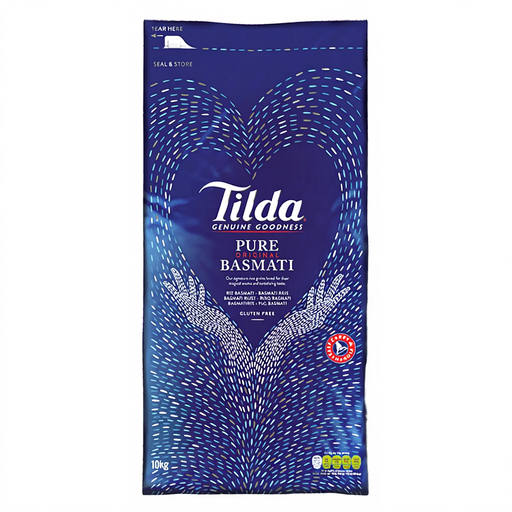
Why this fits the profile: A 10kg pack suits households that cook rice regularly and prefer one bulk purchase over buying several smaller bags. The product information states 100% rice with no additives or preservatives.
The ingredients list is straightforward. When you receive it, do check the actual packaging and seal the bag airtight after opening.
10kg content, 100% basmati rice according to the product description, and suitable for a wide range of rice dishes.
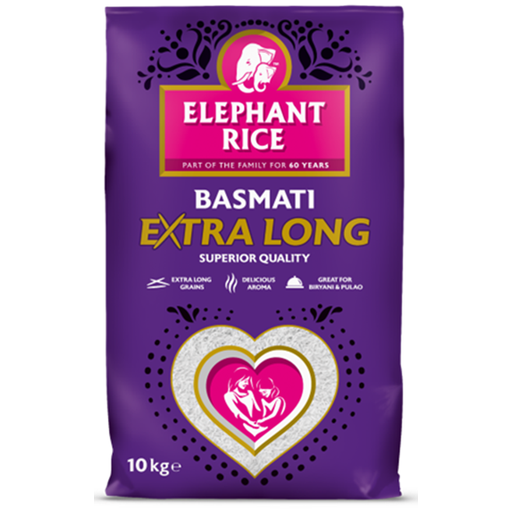
Why this fits the profile: The product description mentions extra-long grains, a natural aroma and a fluffy texture after cooking. That appeals to shoppers who focus on grain length and presentation.
The grain type is clearly stated in the product name and description. This lets you compare based on a concrete feature rather than just marketing language.
Extra-long grains, described as suitable for biryani, pilaf, pulao and curries; net weight 10kg.
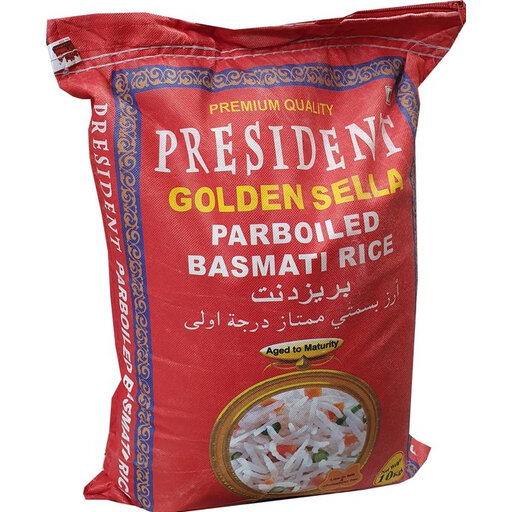
Why this fits the profile: The large pack is aimed at restaurants, catering and heavy users. Golden Sella is parboiled and therefore relevant for dishes where the grains need to stay firm and distinct.
The product description explicitly mentions parboiled Golden Sella. This makes the difference from ordinary white basmati rice clearer upfront.
20kg content, parboiled basmati rice and, according to the product information, suitable for biryani, curries and large cooking volumes.
We’ve put together a full, up-to-date list of products that fully meet these strict selection criteria and comply with current European safety regulations.
That depends on the price per kilogram, delivery costs and your consumption. Divide the total price by the number of kilograms, then also compare the packaging and the type of rice. A 10kg bag is especially practical if you cook regularly and can store the rice in a dry place.
Keep the rice cool, dry and out of direct sunlight. Seal the original bag tightly or transfer the contents to a clean, airtight container. Use dry spoons and check the smell, colour and any signs of moisture or insects before use. Always follow the information on the packaging.
For basmati rice for biryani, extra-long grains are often chosen for their presentation. Golden Sella can be interesting if you want a firmer, more distinct grain. Beyond the name, pay attention to the description, cooking instructions and the desired result. Trying a small pack first can be sensible before switching to a bulk pack.
