
Vandaag of morgen in huis

Kwaliteit gegarandeerd

Welkomstaanbiedingen ontgrendelen: GRATIS bezorging | Tot 80% korting | Gratis 30 dagen JoyPlus-proefperiode
Download de app
Buying a basketball seems straightforward until you have to choose between size 3, size 4, size 5 or size 7. Then there are differences in materials, playing surfaces and accessories to consider. A ball that feels comfortable on a smooth sports floor may wear out more quickly on asphalt. And a cheap set without a pump is less convenient if the basketball arrives deflated or loses pressure during use.
When comparing products, pay particular attention to these three common pitfalls:
The right size depends on age, hand size and the level at which the player plays. Always check the requirements of a club or competition as well. The guide below is a practical indication based on the product specifications.
For young players, a smaller ball is not just more comfortable. Its size can also help them practise basic techniques with greater control. Adults and older teenagers will usually need size 7, unless their training or competition specifies a different size.
A rubber basketball is a sensible choice for outdoor use. Its surface is designed for regular contact with asphalt, concrete and other rough surfaces. An outdoor ball with a textured surface and deep channels can also provide better grip when dribbling and passing.
An indoor basketball often has a softer surface, such as PU or composite leather. This feels more comfortable on a wooden or synthetic sports floor, but prolonged use on rough asphalt can cause the material to wear more quickly. An indoor-outdoor model aims to combine both uses. However, check that the product description specifically mentions both playing environments.
Also consider:
According to Longsail’s own product description, the rubber compound used is said to provide a 5 to 8 per cent improved rebound. Treat this as a brand claim rather than a universally established result. The stated 48-hour leak resistance is also a claim from the product information and, in practice, depends partly on the inflation pressure, valve and storage conditions.
The reference to a CPC-certified rubber compound also comes from the product information. CPC is not a general European basketball standard. When buying, therefore, also check the available safety and conformity information, particularly if you are buying a basketball for children.
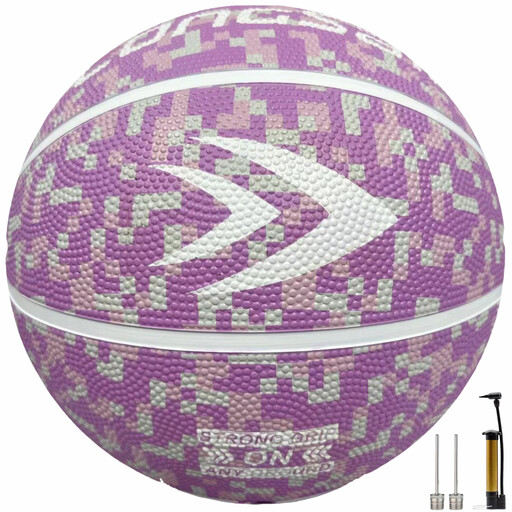
Why it suits this profile: Size 5 is a practical youth size for training, playgrounds and recreational use by players aged around 9 to 12.
According to the product description, the rubber, textured outer layer is designed for use on different surfaces. The set includes a hand pump, two needles and a carry bag.
Youth size 5, approximately 70 cm; rubber surface; pump and carry bag included.
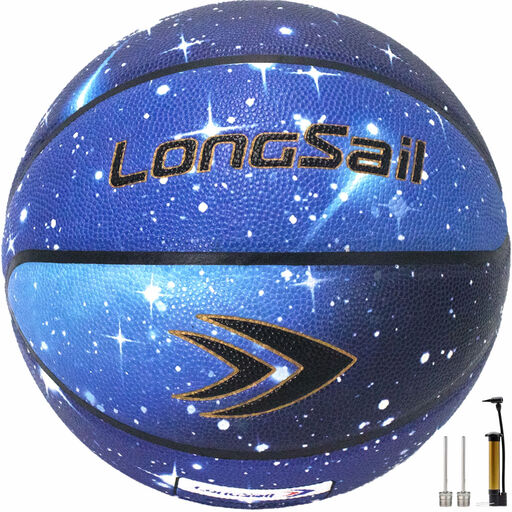
Why it suits this profile: This size 7 is aimed at older teenagers and adults who want to switch between indoor and outdoor play and value a choice of PU, microfibre and rubber.
The product information mentions reinforced channels and a rubber inner ball. When ordering, check which material applies to the selected variant.
Official size 7, approximately 75 cm; choice of several outer materials; designed for indoor-outdoor use.
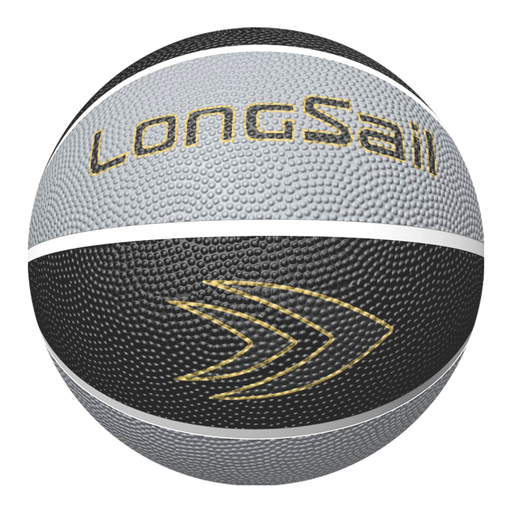
Why it suits this profile: A rubber size 7 is suitable for adults and older players who often train outdoors on asphalt, concrete or a driveway.
The product description mentions a hard-wearing rubber outer layer, textured surface and deep channels. According to Longsail’s own information, a seal is designed to retain air pressure for up to 48 hours when correctly inflated.
Official size 7; butyl inner ball; hand pump, two needles and carry bag included.
We have put together a complete, up-to-date list of products that fully meet these strict selection criteria and the applicable European safety regulations.
A durable basketball will stay usable for longer when you keep it inflated to the correct pressure and use it on suitable surfaces. Use a pump with a needle and follow the recommended pressure shown on the ball or packaging. Too much pressure can put unnecessary strain on the shape and valve; too little pressure affects the bounce.
Wipe off dirt and mud with a slightly damp cloth. Allow the ball to dry completely before storing it. Keep it in a cool, dry place, away from direct sunlight and radiators. An outdoor basketball can cope with more types of surface, but no ball is designed to roll over sharp stones or rough edges for prolonged periods.
For outdoor use, choose a rubber basketball with a textured surface and sturdy outer layer. Check that asphalt, concrete or other rough surfaces are explicitly mentioned in the product description. For use exclusively in a sports hall, PU or composite leather may feel more comfortable.
Not always. According to the product information, the models in this selection are supplied deflated for transport. The Longsail sets mentioned include a hand pump and two needles. Check the contents of the selected variant before ordering.
This depends on use, temperature, storage conditions and the condition of the valve. Check the pressure before every training session or match. If the ball becomes noticeably softer, top it up according to the recommended pressure. Do not store it for long periods in extreme heat, as temperature can affect air pressure.
