
Same-day & Next-day Delivery

Quality Guaranteed

Unlock Your Welcome Offers: FREE Delivery | Up to 80% OFF | Free 30-day JoyPlus trial
Download the APP
Looking to buy bao buns for a quick breakfast, a light meal or an evening of dim sum? The range may look straightforward at first, but the differences can be significant. Some products are ready to steam, while others need to be defrosted or fried first. The filling, portion size and allergen information also determine whether a pack is right for your household.
When choosing Chinese bao buns, look out for these three common pitfalls:
Compare the net weight, the number of buns and the proportion of the main filling. For example, a 300-gram pack might contain ten small buns, while a 450-gram pack may contain larger ones. Small dim sum buns are handy for a snack; larger filled bao buns are better suited to a meal.
Meat lovers can choose from options including pork, chicken and prawn combinations. Vegetarians can opt for varieties with mushroom, bamboo shoots, tofu or vegetables. Bear in mind that “vegetarian” doesn’t automatically mean free from soya, sesame or other allergens.
The cooking instructions determine how convenient a product really is. Many frozen bao buns can be steamed straight from the freezer. Other products need to be defrosted before frying.
Use a steamer basket lined with baking paper, or a perforated liner, to stop the buns sticking. Leave space between them, as the dough can expand during steaming. Always heat filled varieties all the way through and follow the instructions on the packaging. Raw or partially cooked products aren’t suitable for eating straight away.
Most products need to be stored at -18 °C or below. Once defrosted, they generally shouldn’t be refrozen. So plan ahead and work out how many you’ll need.
When preparing bao buns, check for these allergens in particular:
The selection below is based on the product information provided, including weight, ingredients, cooking method and allergens. Brand claims about flavour or authenticity aren’t independent assessments, so always check the current label if you’re unsure.
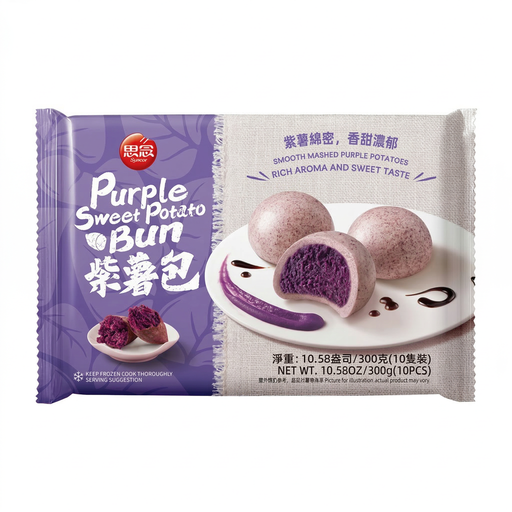
Why it suits this profile: A sweet option for breakfast, teatime or a simple snack. The pack contains 300 grams, and the buns can be steamed or heated in the microwave.
The cooking options are clearly stated: steam for 8–10 minutes or heat in the microwave. Wheat is listed in the allergen information.
Sweet purple sweet potato filling, 300 grams per pack and two convenient ways to heat them.
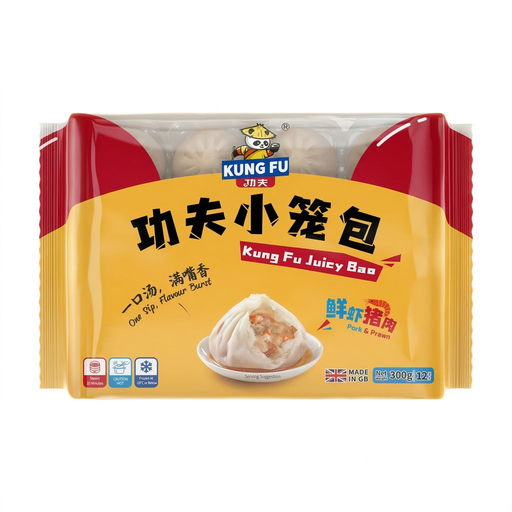
Why it suits this profile: A good choice for fans of savoury dim sum filled with pork and prawn. The product information states that it contains 23% pork and should be steamed for 8–10 minutes.
The main filling and cooking time are specified. Be sure to check the allergens beforehand, including wheat, soya, sesame, milk and crustaceans.
A pork and prawn filling, 300 grams per pack and a short steaming time.
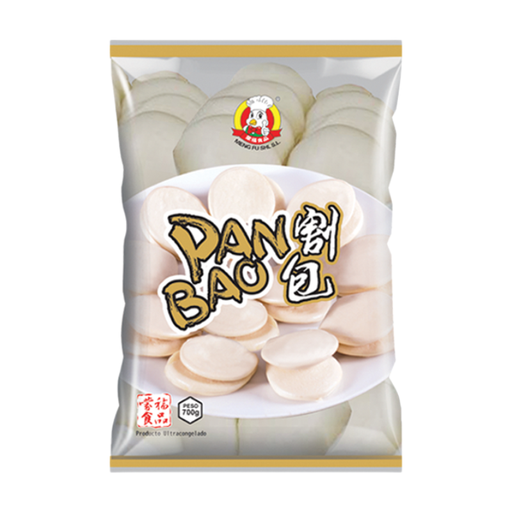
Why it suits this profile: Plain bao buns with no filling, ideal for households who want to pair them with their own choice of chicken, braised pork, tofu or vegetables.
You don’t pay for a set filling that may not suit everyone. According to the product information, the buns can be steamed straight from the freezer for 3–4 minutes.
700 grams per pack, wheat as the only listed allergen and plenty of pairing options.
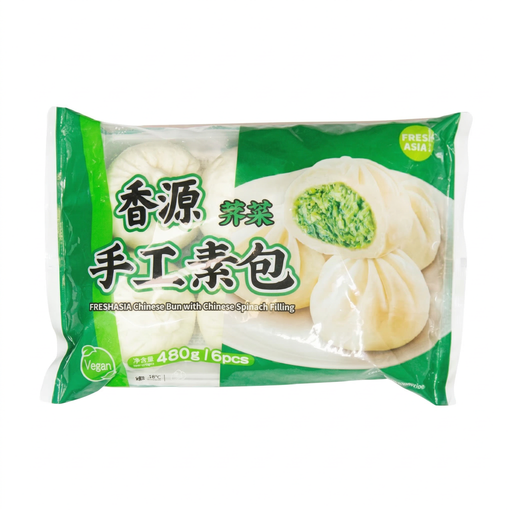
Why it suits this profile: A savoury vegetable option with shepherd’s purse, tofu, glass noodles and shiitake mushrooms. It’s a good choice for a meat-free snack or light meal.
The ingredients and cooking instructions are clearly stated. Bear in mind that wheat, soya and sesame are listed as allergens.
480 grams per pack, a vegetable and tofu filling, and steaming from frozen for 10–12 minutes.
We’ve put together a complete, up-to-date list of products that meet these strict selection criteria and current European safety requirements.
A steamer basket is ideal. Line it with baking paper and bring the water to the boil before placing the frozen buns in the basket. Keep the lid closed as much as possible. Check the centre of a filled bao before serving.
The instructions are different for fried or pan-fried varieties. Some products need to be defrosted first, then fried in oil for a few minutes. For a crispy base, they’re often briefly fried with a little water and the lid on, as you would with pan-fried buns.
It depends on the product. Many varieties are designed to be steamed straight from the freezer, while others need to be defrosted first. Always follow the cooking instructions on the packaging.
Keep them unopened at -18 °C or below until the best-before date on the packaging. Bao buns usually shouldn’t be refrozen once defrosted. Check the specific instructions for your product.
Bao buns can make a light meal, but the nutritional value and portion size vary by variety. You could serve them with vegetables, soup or a salad. If you have an allergy, always check the ingredients list and the label for possible cross-contamination.
