
Vandaag of morgen in huis

Kwaliteit gegarandeerd

Welkomstaanbiedingen ontgrendelen: GRATIS bezorging | Tot 80% korting | Gratis 30 dagen JoyPlus-proefperiode
Download de app
A backpack seems easy to choose, until you use it every day. That is when a rigid back panel, awkward compartments or a fragile zip quickly become noticeable. So if you want to buy a backpack, it is wise to look beyond colour and price.
Three common pitfalls keep coming up:
Choose the capacity based on what you carry every day. For a short walk or a compact work kit, 10 to 13 litres may be sufficient. A school backpack or sports backpack often needs more space. According to the product information, the Joma Training III has a capacity of 24.2 litres and measures 48 × 35 × 24 cm. This provides more room for sportswear, shoes and a towel than a compact backpack for everyday use.
An expandable backpack is useful when you take very little with you one day but want to carry extra clothing or shopping the next. According to the product description, the Beneunder LC183 has a capacity of 10 litres in its standard configuration and 13 litres when expanded. The stated capacity can be checked; also make sure that your laptop or tablet actually fits in the designated compartment.
A lightweight backpack reduces the weight you carry every day, but also consider:
According to the product information, the NINETYGO Tiny Backpack weighs 194 grams and has a capacity of 12 litres. This makes the model appealing for light everyday items such as a tablet, book, power bank and small accessories. If you regularly carry heavy items, a sturdier back panel and wider straps may be more important than an extremely low empty weight.
Polyester and nylon are widely used for backpacks. Do not just look at the material name; also check the stated finish and care instructions. A coating may provide water repellency, while seams, zips and open side pockets can still be vulnerable points.
The Beneunder LC183 product description states that it is made from nylon with a protective finish against wind, rain and stains. The NINETYGO Tiny Backpack is described as using tear-resistant, water-repellent fabric. These are product claims from the brand’s description; treat them as protection against light precipitation and check the product page for the latest specifications. For electronics during prolonged rain, a separate cover may be the wiser choice.
A travel backpack should primarily provide organisation and enough room for clothing, documents and chargers. A walking backpack calls for a stable fit and material suitable for changing weather. For students and commuters, a laptop compartment, well-organised interior pockets and a comfortable back panel are often decisive.
If you only need to carry your phone, keys and a bank card while running or cycling, you could also consider a waist bag. According to the product description, the PELLIOT Waist Pack has several zipped compartments, an elasticated strap and reflective elements. The stated sizes are S/M for a 66–88 cm waist and L/XL for an 88–118 cm waist circumference. Measure your natural waist before ordering. A waist bag is not a substitute for a backpack when you want to carry books, clothing or a laptop.
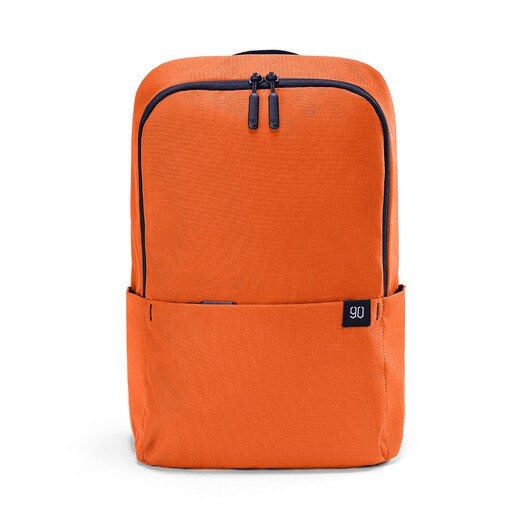
Why it suits this profile: Suitable for students, cycling commuters and everyday outings when you want to carry little weight without immediately choosing a large bag.
The product information states a weight of 194 grams and a capacity of 12 litres. This makes it easier to compare the weight and available space with your everyday items in advance.
194 grams; 12-litre capacity; adjustable straps; water-repellent fabric according to the product description.
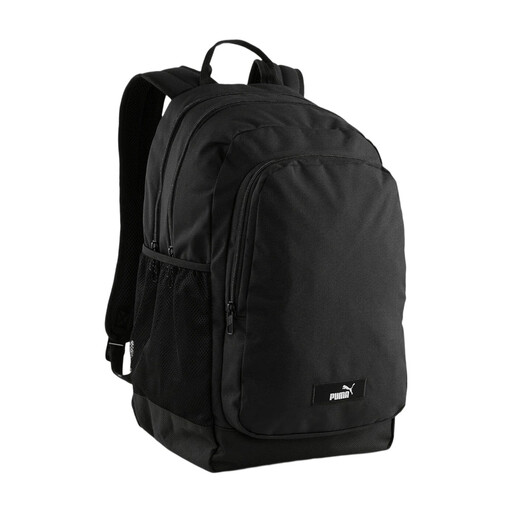
Why it suits this profile: Suitable for work, school and everyday use when multiple compartments and a slightly larger capacity are important.
According to PUMA, the bag has two main compartments, several pockets, two side pockets and padded shoulder straps. This gives you a clear idea of the layout rather than relying solely on its spacious appearance.
Approximately 24 litres; dimensions 45 × 30 × 18 cm; padded back and straps; according to PUMA, made with at least 70% recycled materials.
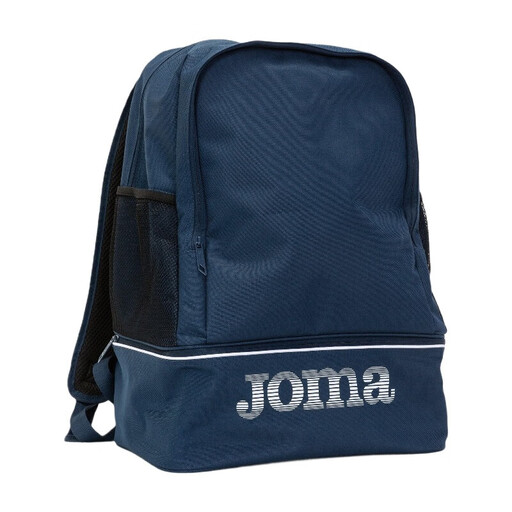
Why it suits this profile: For athletes and travellers who want to carry clothing, training equipment or belongings for a short trip.
The stated capacity of 24.2 litres, the double-base compartment and the separate interior and front compartments give you a clear idea of the available storage space in advance.
24.2 litres; polyester material; double base; padded and adjustable shoulder straps according to the product information.
We have put together a complete, up-to-date list of products that fully meet these strict selection criteria and the applicable European safety regulations.
A backpack is not the most practical solution for every activity. For a walk, trekking poles can provide extra support on different terrain and help you maintain your pace. According to the product name, the PELLIOT 4-section telescopic trekking pole has a telescopic design with four sections and an aluminium alloy construction. Before choosing a set, check the length adjustment, handle and tip.
For sunny walks or camping trips, an outdoor hat can be a comfortable choice. According to the brand description, the PELLIOT Fisherman outdoor hat has a wide brim, adjustable drawstring and a UPF50+ rating. According to PELLIOT’s own research, the fabric used is said to block at least 92% of UV radiation. This is a brand claim and not a general guarantee of protection in every situation; follow the usage instructions and combine the hat with other appropriate sun protection measures.
A running watch is ideal for athletes who want to track time, distance or training data. When choosing one, do not just look at the features. Also consider battery life, compatibility with your phone and how you plan to use the watch every day.
For a light everyday load, around 10 to 15 litres is often practical. For school, work or sport, 20 to 25 litres is generally more suitable. First work out what you carry: your laptop, lunch, clothing, water bottle and accessories will determine the capacity you need.
Water-repellent material can help in light rain. During prolonged or heavy rain, zips, seams and open side pockets can be potential weak points. For laptops and documents, consider using a rain cover or a waterproof inner sleeve.
Its lifespan depends on the load, materials, zips, seams and maintenance. Do not overload the bag, keep sharp objects away from the fabric and follow the cleaning instructions. Choosing a backpack with the right capacity for your needs helps prevent extra strain on the straps and fastenings.
