
Vandaag of morgen in huis

Kwaliteit gegarandeerd

Welkomstaanbiedingen ontgrendelen: GRATIS bezorging | Tot 80% korting | Gratis 30 dagen JoyPlus-proefperiode
Download de app
If you want to buy Asian and Turkish snacks online, you’ll quickly be faced with hundreds of options. Korean snacks, Turkish sweets, halal snacks, Japanese snacks and dried fruit all differ not just in flavour, but also in ingredients, portion size and shelf life. An attractive packet doesn’t always tell the full story.
With this practical checklist, you can keep an eye on what’s really inside the bag or box. That way, you’ll avoid a disappointing purchase for a film night, party, lunchbox or store cupboard.
A product labelled as halal can be appealing if you’re specifically looking for halal snacks. However, do check whether the product page or packaging clearly mentions halal-certified. Some products only carry a general halal claim, without naming a certification body.
Other ingredients also deserve attention. Think about gelatine, flavourings, emulsifiers and sauces. For example, the Young Poong Yopokki Halal Instant Topokki Cup lists rice cakes and a sauce containing soya, wheat and flavour enhancers. “Halal” therefore doesn’t automatically tell you about allergens or nutritional values.
International snacks are often sold in single-serving packs. That’s handy for on the go, but always compare the net weight. A 65g or 80g bag may look good value, whereas a 300g, 600g or 800g pack could be more cost-effective per gram for a party or large household.
Also look out for multipacks. The Taiyo Baumkuchen Cakes, for instance, are sold in packs of six. That can be practical for sharing, but compare the total quantity with individual cakes.
Online details are useful for comparing in advance, but the packaging is what counts. Before eating, check the ingredients, allergens, best-before date and storage advice. This is especially important for products where the online description contains limited or conflicting information.
For example, the PHILIPPINE BRAND Dried Mango mentions 100g in the product name but a different quantity in part of the description. So always check the net weight on the packaging and on the order page.
Don’t just look at flavour words like “spicy”, “original” or “sweet”. Search for the full ingredients list. Many Asian snacks contain wheat, soya or sesame. That’s true for spicy wheat sticks and Korean seaweed snacks.
The Bibigo Crispy Seaweed Snack Sesame contains seaweed, rapeseed oil, sesame oil and salt. The product description lists sesame as an allergen. A product described as gluten-free can therefore still contain other allergens.
For biscuits and cakes, egg, milk, wheat and soya are common ingredients. The Funwari Kaoru Baumkuchen Cake contains these allergens according to the product information. The Anatolia Un Kurabiye is described with wheat flour, butter and vanilla extract, and therefore contains gluten and milk.
Not every snack can be used in the same way. Rice cakes and tteokbokki have a firm, chewy texture. A product like the Delief Tteokbokki Cup Original Sweet & Spicy is designed as a quick snack or meal, combining sweet with spicy. Check whether water, heating or refrigeration is needed, and follow the instructions on the packet.
Other products are ready to eat. That applies, for example, to gummy sweets, Turkish delights, biscuits, cakes and dried mango. Once opened, the packet should usually be sealed tightly and stored in a dry place.
Use the nutrition table to compare products fairly. Look at energy, sugar, fat and salt per 100g, not just at the portion size on the front. For instance, the Wei Long Spicy Stick contains 298 kcal, 15.8g sugar and 2.13g salt per 100g, according to the product information.
The figures don’t tell you which snack to choose, but they do help with planning portions. A small gummy pack, such as CANDY AMOS Peelerz Gummy Banana 65g, is suitable as an individual treat. For a larger group, biscuits, cakes or multipacks are often more practical.
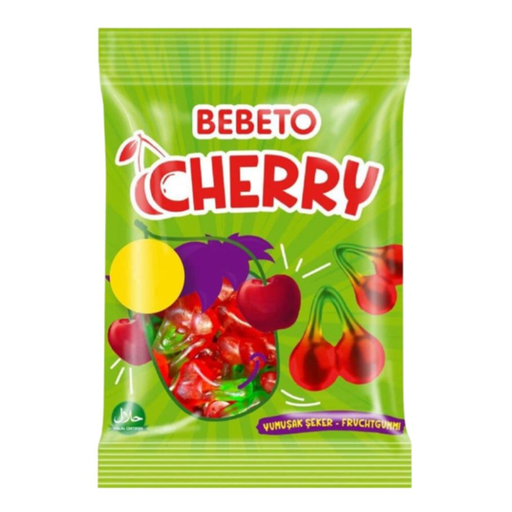
Why this fits the profile: A small pack to try a Turkish sweet variant without buying in bulk straight away.
The net weight of 80g is clearly stated, making it easier to compare the price per gram.
Cherry flavour, 80g and, according to the product information, none of the 14 main EU allergens.
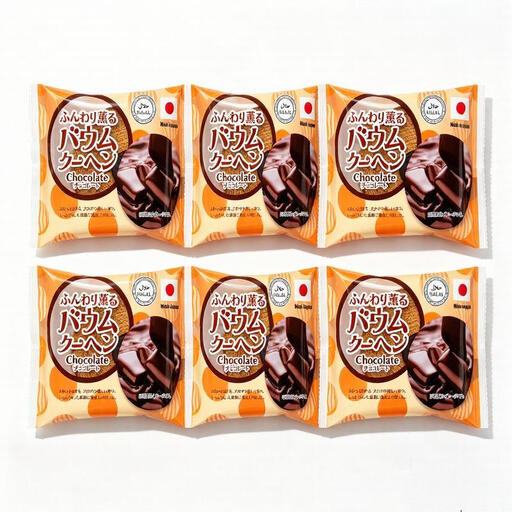
Why this fits the profile: A multipack with chocolate flavour for sharing, serving with coffee or an international tasting.
The packaging states six cakes and the allergen list includes egg, wheat, milk and soya.
Chocolate flavour, six pieces and halal certification according to the product listing.
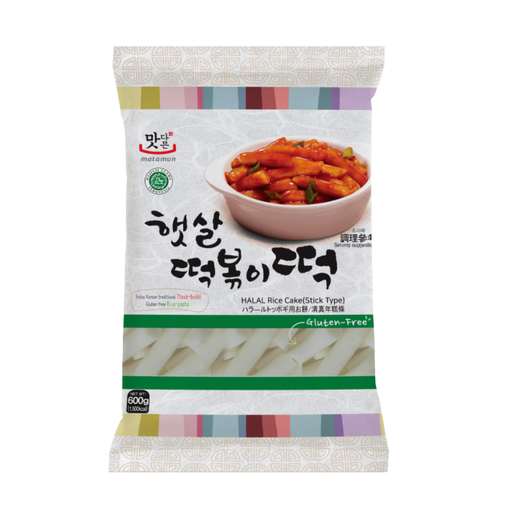
Why this fits the profile: A large pack for anyone making their own tteokbokki or regularly using Korean rice cakes.
The 600g weight makes the price per portion clearer than with individual snack cups.
Rice as the main ingredient, halal claim and, according to the product information, none of the 14 main EU allergens.
We’ve put together a full, up-to-date list of products that fully meet these strict selection criteria and current European safety regulations.
Some products are halal-certified or described as halal, such as certain tteokbokki, rice cakes and Baumkuchen Cakes. Check the claim for each product and read the ingredients list. A halal label does not replace an allergen check.
The shelf life varies by product. Dry biscuits, sweets, rice cakes and cakes usually have a date on the packaging. Store them according to the advice given, often in a cool, dry place away from direct sunlight. Once opened, a product may lose quality more quickly.
Compare net weight, price per quantity, ingredients, allergens, origin and best-before date. For tteokbokki, also check the preparation instructions, and for dried mango, check for added sugar or sulphites. This way, your order will better match your taste, dietary needs and intended use.
