
Vandaag of morgen in huis

Kwaliteit gegarandeerd

Welkomstaanbiedingen ontgrendelen: GRATIS bezorging | Tot 80% korting | Gratis 30 dagen JoyPlus-proefperiode
Download de app
Buying Asian sweets online can offer a surprisingly wide range of choices: from Japanese chocolate bars and Korean snacks to Chinese sweets, mochi and dried fruit. At the same time, eye-catching packaging says little about flavour, ingredients or whether a product is right for your needs. Use these practical checks to compare products based on the information that really matters.
A 300-gram bag is not automatically better value than several smaller packs. Check the price per 100 grams, the number of portions and the shelf life. Particularly when giving sweets as a gift or sharing them at a party, a mix with individually wrapped portions may be more convenient than one large bag.
Words such as “natural”, “authentic” or “premium” do not always describe a verifiable characteristic. So check the ingredients list, country of origin and nutritional information. A brand’s own research, for example, may present a product as special or traditional; that is not independent evidence of its flavour or quality.
The full product information is also important for claims such as “no added sugar”. In the case of the dried mango product offered, the information mentions both a no-added-sugar claim and an ingredients list containing sugar. Always check the label on the packaging you receive.
Asian snacks may contain ingredients you might not expect, such as gelatine, milk powder, soya, sesame or various types of nuts. Product names and ingredients may also be listed differently when products come from abroad. Read the allergen information before ordering and, if in doubt, check the current packaging.
Look for the legally required allergen labelling, usually shown in bold in the ingredients list. Examples from the range include:
If you have an allergy, do not choose solely based on the product title. Also check warnings about possible cross-contamination.
“Asian sweets” are not a single flavour category. First decide what you are looking for:
An unusual name does not automatically mean that the flavour will suit everyone. For a gift, for example, combine a familiar chocolate bar with one exotic sweet.
Compare the net weight, number of pieces and packaging format. Individually wrapped sweets are practical for the office, while travelling or when giving sweets as a gift. Products containing chocolate, milk or a soft filling generally need to be kept in a cool, dry place away from direct sunlight and heat.
Also note the difference between a best-before date and any use-by date. The exact date is shown on the packaging. Do not use a product if the packaging is damaged. With mochi, resealing the packaging properly after opening is particularly important, as the rice layer may harden according to the product information.
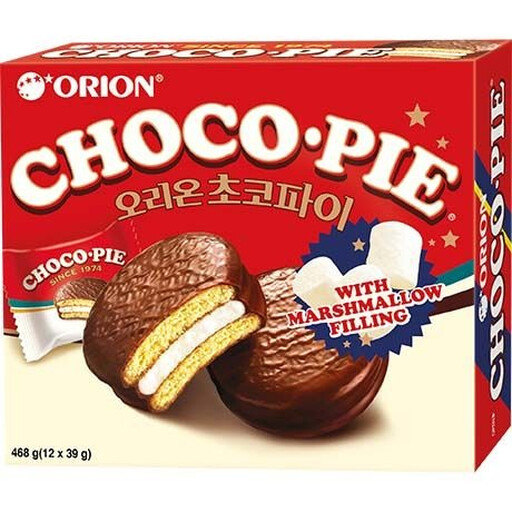
Why it suits this profile: The large pack is suitable for sharing at home or keeping several portions ready for guests. The combination of cocoa, dairy and wheat is approachable for anyone trying Asian snacks for the first time.
The 468-gram weight makes it easy to compare the price per 100 grams. Do check the best-before date and allergens: the product contains gluten, milk, egg and soya.
468 grams; cocoa and dairy flavour; suitable for sharing.
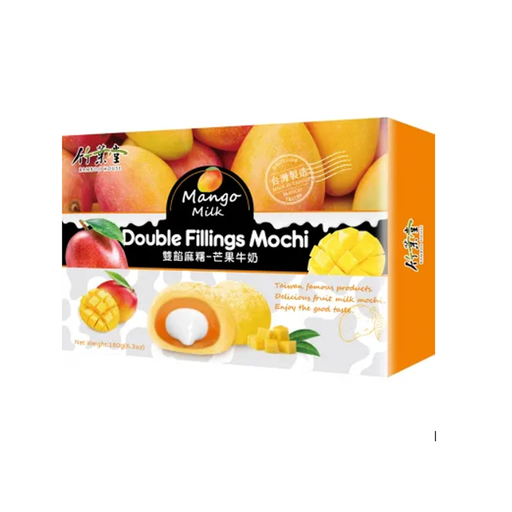
Why it suits this profile: This Taiwanese mochi combines a mango filling with a creamy, milky filling. The soft rice layer and individually wrapped portions are ideal for anyone who enjoys distinctive textures and flavours.
The product information clearly states the two fillings and country of origin. Before buying, check for milk and egg, and store the mochi in an airtight container after opening.
180 grams; mango and milky filling; individually wrapped; made in Taiwan.
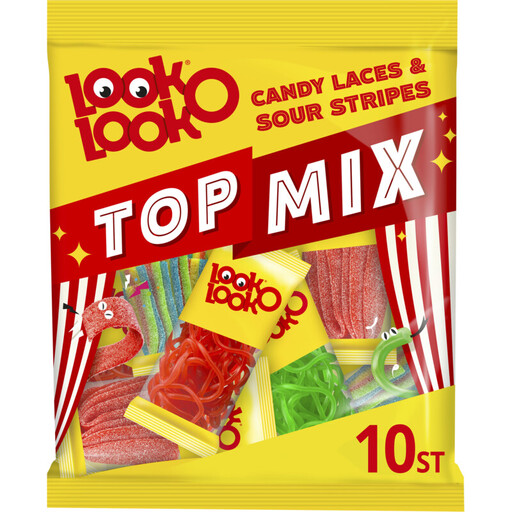
Why it suits this profile: The mix contains ten small portions of sweets, including candy laces and sour strips. This makes it practical for birthdays, film nights, party bags or a sweet jar in the office.
The different flavours and portions reduce the chance of one large bag being left unused. However, the product contains wheat and cereals containing gluten, so check this when putting together party treats.
Ten portions; strawberry, apple and tutti-frutti flavours; suitable for sharing.
We have put together a complete, up-to-date list of products that fully meet these strict selection criteria and the applicable European safety regulations.
For a gift of sweets, a combination of colour, size and ease of sharing often works better than choosing a striking flavour alone. White Rabbit milk candy is individually wrapped and available in original, matcha and red bean flavours, among others. For a film night, Japanese KitKat varieties or chocolate bars such as Toblerone are a good choice for those with more traditional tastes.
Looking for something to enjoy with tea or coffee? Consider biscuits, dried fruit or Gingerbon ginger sweets. Lollipops and small portions are easier to arrange on a party table. According to the product description, the Amos TastySounds lollipop has a built-in music function; follow the instructions for use and check the allergen information, as the product may contain soya or milk.
Check the net weight, price per 100 grams, ingredients, allergens, origin, storage instructions and best-before date. Also check whether the sweets are individually wrapped and how many portions you will actually receive.
Mochi has a best-before date that varies from product to product. Store it according to the label, usually in a cool, dry place, and seal the packaging carefully after opening. The rice layer may become harder once opened. The date on the packaging is the one to follow.
The price depends on the brand, weight, import costs, packaging and delivery charges. So do not compare only the price of a bag: also compare the price per 100 grams and the number of pieces. A smaller pack may appear more expensive, but can sometimes be more practical if you want to try different flavours.
