
Same-day & Next-day Delivery

Quality Guaranteed

Unlock Your Welcome Offers: FREE Delivery | Up to 80% OFF | Free 30-day JoyPlus trial
Download the APP
If you’re looking to buy Asian soup, you’ll soon find dozens of options online: Korean soup, Japanese miso, Chinese hotpot soup base and Thai laksa. The packaging may promise a rich flavour, but it doesn’t always tell you enough about portion size, preparation or allergens. Check the details carefully to avoid being disappointed by a small pack, high salt content or inconvenient storage requirements.
Always check the net weight and number of servings. A 200-gram sachet may be a concentrated soup base that needs diluting with water. A 500-gram meal soup, on the other hand, may make one or more bowls, depending on how it’s prepared.
Also look out for ingredients you’ll need to add yourself, such as noodles, vegetables, tofu or meat. A soup base may seem like good value, but the total cost of the meal will be higher if you still need to buy lots of ingredients.
The term spicy soup isn’t a precise measure. Kimchi jjigae usually has a sour, fermented and spicy flavour, while laksa often contains coconut, lemongrass and prawns. A hotpot base may be mainly salty, tomatoey or spicy.
So check the order of the ingredients. Those listed first are generally present in larger quantities. For example, the listed ingredients in Rengi Korean Kimchi Soup include 30% fermented kimchi. That gives you more context than the name on the front of the pack alone.
Brands and product pages may use phrases such as “authentic Asian flavours” or “restaurant style”. Treat these as descriptions from the seller, rather than established facts. Rengi’s product description says the soup is inspired by Korean restaurants; you should also check the ingredients, preparation method and origin for yourself.
Some products also contain flavour enhancers, sugar, alcohol, fish or shellfish. That’s not necessarily a problem, but it’s important to know if you follow a specific diet or are sensitive to certain ingredients.
Read the allergen information before ordering. Many Asian soups and bases contain:
If in doubt, follow the information on the packaging. Product ingredients may change from batch to batch. For example, Hikari Miso Instant Miso Soup lists soya and may contain wheat, while Prima Taste Laksa contains wheat, shellfish and milk, among other ingredients.
Instant products are handy for a quick lunch. According to the product description, Hikari Miso Japanese Instant Miso Soup is prepared by adding hot water. Saitaku Miso Soup requires 160 ml of boiling water per serving. A hotpot base works differently: Liuyishou Chongqing Hot Pot Rich Tomato Soup is added to around 1,500 grams of water, which is then brought to the boil.
So don’t just look for “quick to prepare”. Check the:
Storage is especially important for Asian frozen meals. Rengi’s Korean Kimchi Soup and Freshasia Kimchi Onigiri must be kept frozen. According to the product information, the frozen products are stored, packed and transported under chilled conditions. Put these products straight into your freezer at home, and don’t refreeze them after they’ve thawed.
Dry instant soup, laksa and soup bases can usually be stored unopened at room temperature, in a cool, dry place. Different rules often apply once they’ve been opened. For example, Momoya KIMCHEE BASE should be refrigerated after opening and used promptly.
The selection below matches specific product details to different uses. This makes it easier to buy Asian soup that suits you, without relying solely on what the packaging says.
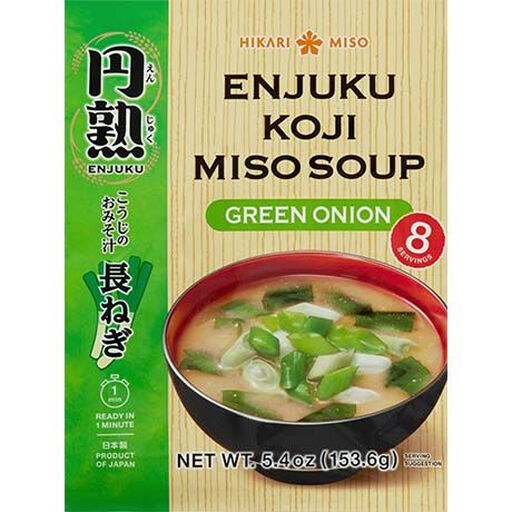
Why it suits this profile: The individual sachets are handy if you’d like to try Japanese miso soup without opening a large pack. Just add hot water, making it a convenient option at home, in the office or on the go.
The number of individual servings is clearly stated. However, check the packaging for the exact contents and allergens, as the product information gives different serving sizes.
Quick to prepare, individually portioned and clearly lists soya as an allergen. According to the product information, the soup contains seaweed, tofu and spring onion, among other ingredients.
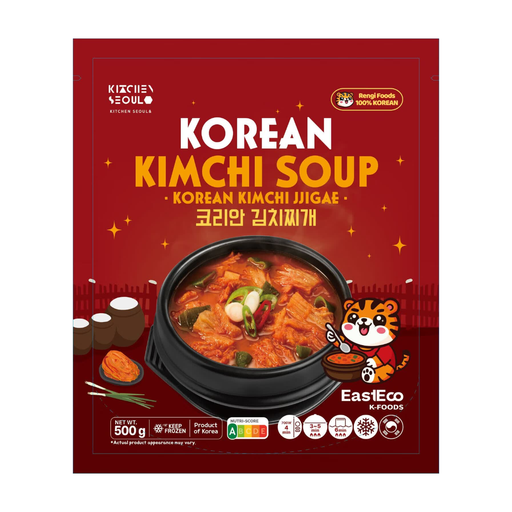
Why it suits this profile: This frozen soup is made for fans of savoury, spicy Korean soup with kimchi. The pack contains 500 grams and provides a ready-made meal, so there’s no need to put together your own soup base.
The product states the proportion of kimchi and the nutritional values per 100 grams. Remember that it needs to be kept frozen, and check the label for soya, wheat and flavour enhancers.
A 500-gram pack, with 30% fermented kimchi according to the product information, and chilled transport as described on the product page.
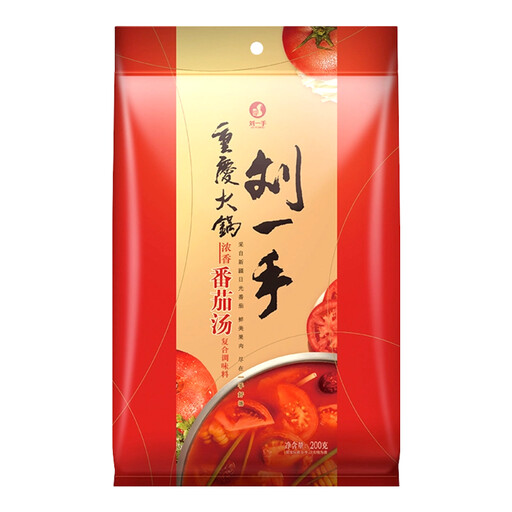
Why it suits this profile: This Chinese hotpot soup base is designed for sharing meals where you add your own vegetables, tofu, noodles or meat. Dilute the base with water; according to the product information, this tomato version is milder.
The dilution ratio is clearly stated: 200 grams of base for around 1,500 grams of water. This makes it easier to plan the amount of soup and any extra ingredients in advance.
A 200-gram pack, with 32% tomato purée and 12% tomato according to the product information. Store unopened at room temperature; refrigerate after opening.
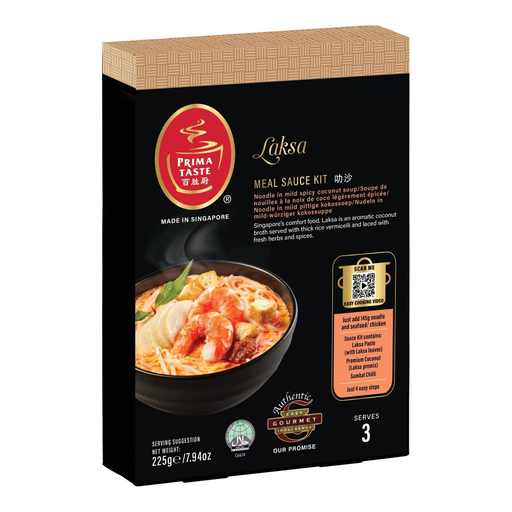
Why it suits this profile: The pack combines noodles, laksa paste and coconut milk powder. It’s a good choice if you’d like to make a complete Thai or South-East Asian meal at home.
The ingredients list includes wheat, prawns and milk, among other ingredients. This makes it easier to check in advance whether the meal suits your allergen requirements.
Noodles and laksa base in one pack. According to the ingredients list, the flavour comes from ingredients including chilli, lemongrass, galangal, turmeric and coconut milk powder.
We’ve put together a complete, up-to-date list of products that meet these strict selection criteria and the applicable European safety regulations.
Instant miso soup is usually a practical choice when all you need to do is add hot water. Check that the portion is large enough for your meal, though. For something more filling, you can add noodles, tofu, vegetables or an egg, if this is compatible with the preparation instructions.
Store frozen Korean soup and other Asian frozen meals at the temperature stated on the packaging, usually in the freezer. Keep any break in the cold chain as short as possible, and don’t refreeze a product once it has thawed. Store dry soup mixes and long-life bases unopened in a cool, dry place, away from direct sunlight.
Don’t compare prices by pack alone. Work out the cost per serving too, and factor in water, vegetables, noodles and any other additions. A 200-gram soup base may serve several people, while a single-serving pack is ready to use but may be less flexible.
