
Vandaag of morgen in huis

Kwaliteit gegarandeerd

Welkomstaanbiedingen ontgrendelen: GRATIS bezorging | Tot 80% korting | Gratis 30 dagen JoyPlus-proefperiode
Download de app
Would you like to buy Asian snacks, but are unsure about the ingredients, nutritional values or allergens? Many packets look appealing online. However, a flavour name such as “spicy”, “vegetable” or “high fibre” does not tell you everything about the contents. A large value pack is not automatically good value if you do not enjoy the snack or need to finish it quickly after opening.
The main pitfalls are:
Ingredients are listed in descending order by weight. If wheat flour, oil or sugar appears near the beginning, it makes up a significant part of the product. For snacks with a seasoning coating or sauce, you should also check the compound ingredients.
For people with allergies, the allergen information is essential. Many konjac snacks, for example, contain soya, sesame or peanuts in the seasoning. A snack that appears plant-based at first glance may also contain wheat through soya sauce or flavourings.
Look out for these common allergens:
A vegetarian product is not automatically gluten-free. Conversely, “gluten-free” does not mean that a snack is low in salt, sugar or calories.
Anyone looking for low-calorie snacks can easily be misled by looking only at the individual packet. Use the values per 100 grams as a consistent benchmark. Alongside energy, check fat, saturates, sugar, salt, protein and dietary fibre.
Here are some examples from the range:
For claims such as “high in fibre” or “source of protein”, check the actual figures. European nutrition claim rules link these terms to specific conditions. Always look at the nutrition table rather than relying solely on the front of the packet.
Asian crackers are generally dry, crisp and suitable for eating straight away. Konjac snacks often have a firm or elastic texture and are usually sold ready to eat in small packets. Indian snacks such as nylon sev are thin, crunchy and more heavily seasoned.
Think about how you plan to use them:
A large multipack is convenient for sharing or regular use, but check the best-before date and storage advice. Some products need to be refrigerated after opening or consumed quickly.
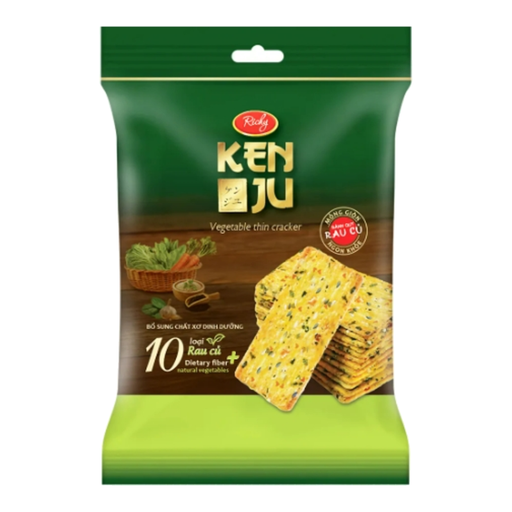
Why it suits this profile: An approachable, crunchy cracker for anyone trying Asian snacks for the first time and looking for a 192-gram pack.
The product information clearly lists wheat, milk, sesame and sulphites. This means you can check the allergens in advance rather than relying solely on the vegetable flavour.
192 grams per pack; dehydrated vegetables in the ingredients list; clear nutritional values per 100 grams.
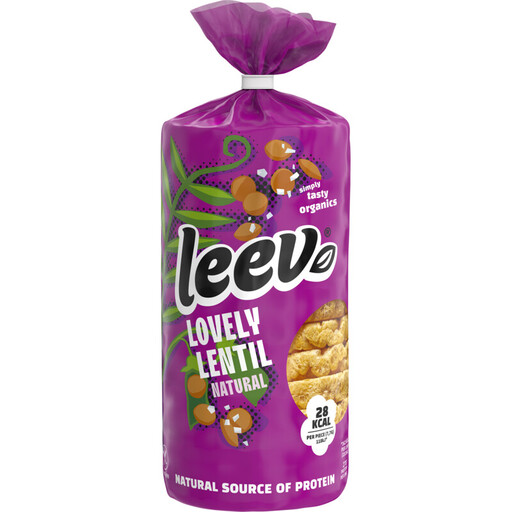
Why it suits this profile: Suitable for anyone looking for a short ingredients list, an organic option and a gluten-free snack.
The product description lists 99.5% lentil flour and sea salt, rather than a long list of flavourings. However, check the current packaging for possible traces of soya.
27.3 grams of protein and 5.4 grams of fibre per 100 grams according to the product information; stated to be gluten-free; 100 grams per pack.
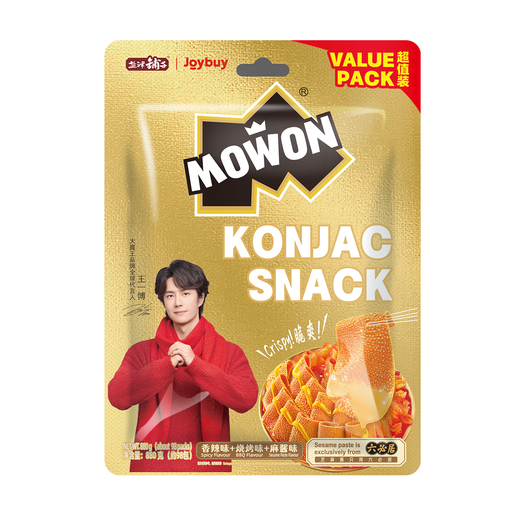
Why it suits this profile: Ideal for households, sharing occasions or enthusiasts who want to combine several savoury flavours and small portions.
According to the product information, the pack contains approximately 98 individual portions. The three flavours are described separately, including their different energy and salt values.
880 grams total weight; individually wrapped; flavours including sesame paste, BBQ and spicy herbs; ready to eat.
We have compiled a complete, up-to-date list of products that fully meet these strict selection criteria and the applicable European safety regulations.
Alongside the options above, when you order Asian snacks online you can also explore other flavour profiles:
When shopping online, check the origin, responsible food business operator, best-before date and storage conditions. Product information can change, so always check the physical label before consumption.
That depends on the ingredients and any seasonings used. Konjac snacks, lentil waffles and wheat gluten snacks are described in the range as vegetarian options. Always check that the seasoning mix does not contain fish, shellfish or animal stock.
Not as standard. Crackers often contain wheat. Konjac snacks may also contain gluten through soya sauce or flavourings. Leev lentil waffles are listed as gluten-free, but check the current allergen information each time you buy them.
Compare both per 100 grams and per portion. In the stated product details, certain konjac flavours stand out at 110 to 131 kcal per 100 grams. Leev lentil waffles are listed as containing 28 kcal per waffle. This may make them suitable for a mindful snack choice, but the overall nutritional value and portion size remain important.
