
Vandaag of morgen in huis

Kwaliteit gegarandeerd

Welkomstaanbiedingen ontgrendelen: GRATIS bezorging | Tot 80% korting | Gratis 30 dagen JoyPlus-proefperiode
Download de app
Anyone looking to buy Asian snacks will quickly come across a wide selection of Japanese snacks, Chinese snacks, Korean snacks and international biscuits. This makes choosing online easy, but not always straightforward. Eye-catching packaging tells you little about portion size, allergens or the flavour you can really expect.
As a Joybuy Product Recommendation Officer, I therefore focus mainly on information you can verify: ingredients, net weight, nutritional values, origin, shelf life and storage advice. This allows you to compare products based on facts rather than relying solely on colourful packaging or an unfamiliar flavour name.
Product names such as birthday cake, jalapeño, fried chicken or charcoal-grilled pork attract attention. However, the flavour may come mainly from herbs and spices, flavourings and flavour enhancers. So check the ingredients list. For example, the seasoning in Lay’s Big Wave Crispy Fried Chicken Flavor lists wheat, milk, soya and aspartame. This is important information if you want to avoid allergens or prefer a simpler recipe.
Asian biscuits, exotic crisps and sweet snacks are often sold in packs weighing between 40 and 110 grams. Don’t just compare the price per bag; also check the net weight and, ideally, the price per 100 grams. A 50-gram pack of dried mango is convenient for taking on the go, but it is not automatically better value than a larger pack.
Biscuits and crisps lose their crunch when exposed to moisture. Mochi and dorayaki, on the other hand, can lose their soft texture if stored incorrectly. Always check the date on the packaging and follow the storage advice. Many products should be stored in a cool, dry place away from direct sunlight. Once opened, it is usually best to seal the pack securely.
Check the allergens first. Many Japanese snacks and Chinese snacks contain wheat, milk, soya or egg. Yuki & Love Dorayaki lists red bean paste, wheat flour, egg and soya among its ingredients. Tokimeki Panda Cookie contains wheat and milk and may contain traces of egg, soya and nuts.
Also look out for sulphites. According to the product information, MUSHAN BASE Dried Mango contains at least 79.5% mango, as well as ingredients including sugar, glucose syrup and sulphite as a preservative. If you need to avoid sulphites, read the label carefully.
Think about whether you are looking for something sweet, savoury, fruity or spicy:
The product description often provides a useful indication, but taste is personal. For example, a “hot & spicy” product may not be suitable for someone looking only for mild snacks.
Nutritional values are usually shown per 100 grams, making products easier to compare. MUSHAN BASE Dried Mango contains 343 kcal and 36.3 grams of sugar per 100 grams. Oreo Birthday Cake Flavored Cookies contain 502 kcal and 45 grams of sugar per 100 grams. According to the product information, Herr’s Jalapeño Curls contain 2.3 grams of salt per 100 grams.
These figures do not tell you how often you should eat a snack, but they do help you compare portions more consciously. Also check the total weight: a 40-gram bag is different from a 110-gram multipack.
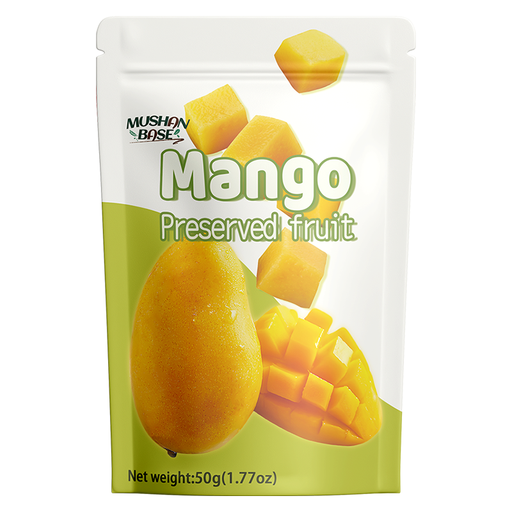
Why it suits this profile: The small pack is a practical way to try dried fruit without immediately buying a larger pack.
The net weight of 50 grams is clearly stated. The mango and sugar percentages, nutritional values and sulphites are also listed.
Soft, chewy texture; individually wrapped; ready to eat.
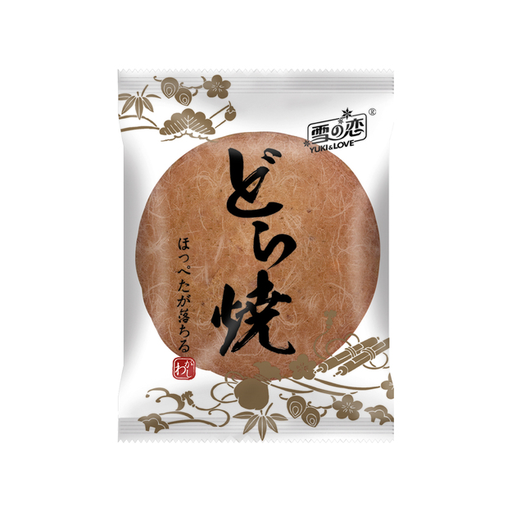
Why it suits this profile: Ideal for anyone looking for a recognisable Japanese sweet snack with contrasting textures: soft cake and sweet red bean paste.
The packaging states 55 grams and 32% red bean paste, as well as allergens such as wheat, soya and egg.
Traditional Japanese snack format; ready to eat; ideal with tea or coffee.
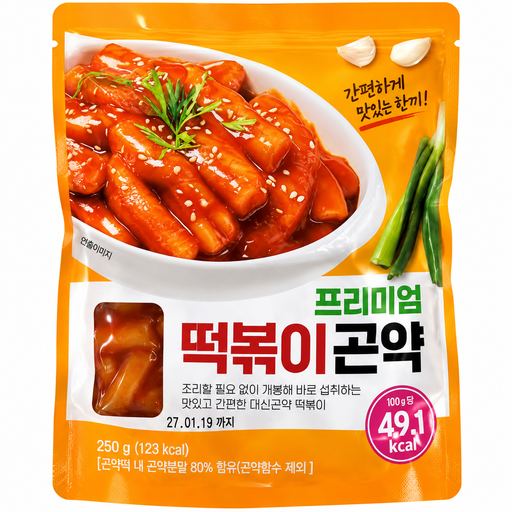
Why it suits this profile: For fans of Korean snacks who want to prepare tteokbokki with the included sauce mix and enjoy a firm, chewy texture.
The preparation and storage information is important: once opened, store chilled under water and use within two days.
250 grams of product; rice cakes with sauce powder; clear storage instructions.

Why it suits this profile: An approachable choice for anyone who wants to combine a familiar biscuit format with fruity raspberry and blueberry flavours.
The pack contains two individually wrapped portions. Wheat and soya are also listed as allergens.
97 grams of product; two separate packs; ready to eat.
We have put together a complete, up-to-date list of products that fully meet these strict selection criteria and the applicable European safety regulations.
Use this quick checklist when comparing products:
You can order snacks online from a range where you can view the ingredients, allergens, nutritional values, origin and packaging for each product. This is more useful than relying solely on the front of a packet.
Start with a flavour you already know. Oreo with strawberry or berry flavour is more approachable than a very spicy snack. If you enjoy fruit, try dried mango. For an introduction to Japanese snacks, dorayaki or panda biscuits are practical options.
This varies from product to product. Dry biscuits and crisps stay at their best when you seal the packaging properly and store them in a cool, dry place. Tteokbokki in opened packaging requires extra care: according to the DSKONYAKU product information, it should be stored chilled, under water, and used within two days. Always check the label on your packaging.
