
Vandaag of morgen in huis

Kwaliteit gegarandeerd

Welkomstaanbiedingen ontgrendelen: GRATIS bezorging | Tot 80% korting | Gratis 30 dagen JoyPlus-proefperiode
Download de app
Buying Asian snacks online gives you access to far more than standard potato crisps. Think Chinese snacks with Sichuan pepper, Korean seaweed snacks, Japanese barbecue flavours and Thai combinations with sweet, savoury or spicy notes. The extensive selection makes choosing exciting, but also more challenging.
Packaging claims such as “extra crispy”, “authentic flavour” or “plant-based” do not always tell the full story. Before placing your order, check the ingredients, allergens, nutritional values, serving size and storage instructions. This helps you avoid disappointment from an oversized bag, a flavour that is too spicy or a product that is unsuitable for someone with an allergy.
A 135- or 165-gram bag is convenient for a film night or party, but less practical if you are looking for small portions to take with you. Individually packaged snacks are easier to share and help preserve crispness for longer. So do not compare only the price; also check the net weight and number of servings.
Spicy snacks are not all alike. Chilli, wasabi and Sichuan pepper each create a different experience. Wasabi often delivers a brief, sharp kick, while chilli can linger for longer. Barbecue snacks may also taste sweet, smoky or savoury. If you are looking for a particular flavour, check the spices listed in the ingredients.
“Baked” does not automatically mean that a snack is low in fat. A product with a plant-based composition may still contain allergens such as wheat or soya. According to information provided by some brands, “plant-based” refers to the base ingredients used, but always check the current packaging and allergen declaration. Product information may vary by market or production batch.
Look out for wheat, gluten, soya, milk, peanuts and sesame. These ingredients are regularly found in Chinese snacks, Korean snacks and Japanese snacks. Also check warnings such as “may contain traces of”. If you have a severe allergy, the packaging takes precedence; if in doubt, contact the seller or manufacturer.
Examples:
Nutritional values per 100 grams make comparisons easier. However, the amount you actually eat may be smaller. For example, Gusto Sour Cream & Onion Corn Puffs list 156 kcal per 30 grams, while the value per 100 grams is 521 kcal. When sharing snacks, it is useful to serve a portion in a bowl beforehand rather than eating straight from the bag.
Pay particular attention to:
These figures say nothing about the overall quality of your diet, but they do help you compare products objectively.
Proper storage and a secure seal are important for maintaining a satisfying crunch. Store crisps and corn snacks in a cool, dry place away from direct sunlight. Seal an opened bag tightly. Individually packaged seaweed snacks are practical for lunch, train journeys or a snack break at the office. A tube, such as the one used for Pringles, is convenient to reseal, while a small 60- to 70-gram bag may be ideal for a single snacking occasion.
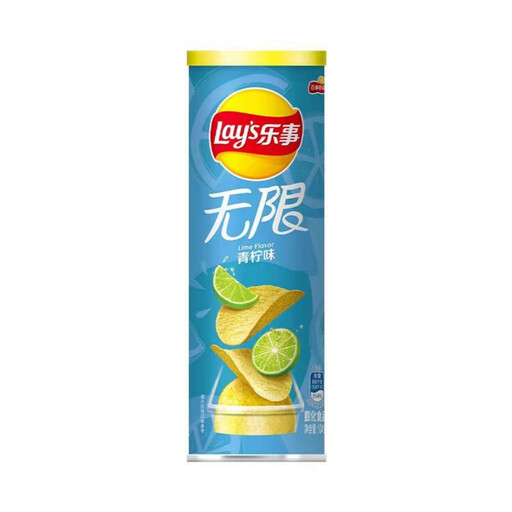
Why it’s a good fit: An approachable choice if you are trying Asian potato crisps for the first time and are looking for a fresh, lightly tangy lime flavour.
The 90-gram format is easier to manage than a large multipack. The product information lists wheat and soya, allowing you to check the allergens in advance.
90 g net weight; potato crisps with lime seasoning; suitable for eating alone or sharing.

Why it’s a good fit: The ridged shape is designed to deliver a thicker, crunchier bite. That makes it a strong choice for snackers who prioritise texture.
The 70-gram portion reduces the risk of buying a large multipack when you only want to try one flavour. The ingredients list milk, wheat and soya.
Ridged crisps; 70 g net weight; savoury chicken-wing flavour according to the product description.
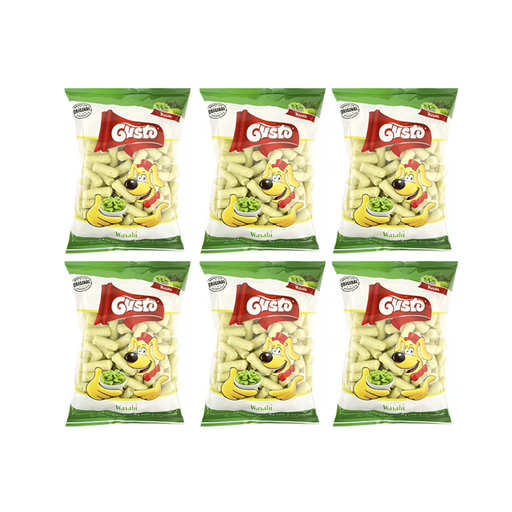
Why it’s a good fit: A compact vegetarian corn snack for anyone looking for an airy texture and a pronounced wasabi kick.
The flavour is clearly described as wasabi, so you are less likely to expect a mild snack. The 80 g bag works well for travelling or a small sharing occasion.
Airy corn puffs; vegetarian according to the product information; 80 g net weight.
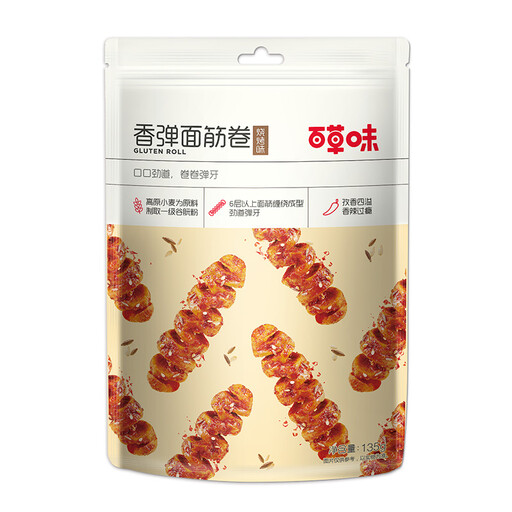
Why it’s a good fit: The combination of chewy and crunchy textures makes this Chinese snack a compelling choice for fans of hearty barbecue snacks.
The packaging explicitly identifies a spicy barbecue flavour and lists wheat gluten and soya. This allows you to match the flavour and allergens to the group in advance.
135 g package; 20 g of protein per 100 g according to the product information; suitable for sharing or taking with you.
Browse a current selection of snacks and compare flavour, format, ingredients and nutritional information before ordering.
Choose a package of approximately 100 grams or more, such as Be&Cheery, Wo Long Mini Fried Dough Twists or a larger bag of potato crisps. For a range of flavours, you can also combine several smaller packages. Check in advance whether they contain ingredients such as milk, wheat, soya, peanuts or sesame.
Store the snacks in a cool, dry place and seal the packaging airtight. Seaweed snacks and airy corn snacks tend to lose their crispness relatively quickly when exposed to moisture. Individually portioned snacks, such as Chung Jung One Seaweed Snack or Bibigo Crispy Seaweed Snack, are therefore practical when you do not want to eat everything at once.
Not necessarily. Yan Jin Pu Zi O’Potato lists 24 grams of fat per 100 grams, while other potato crisps in the supplied product information contain around 30 to 37 grams of fat per 100 grams. This difference may be relevant when comparing products, but always review the full nutrition table, serving size and ingredients list. Claims that a product is a “healthier” choice are no substitute for objective product data.
