
Vandaag of morgen in huis

Kwaliteit gegarandeerd

Welkomstaanbiedingen ontgrendelen: GRATIS bezorging | Tot 80% korting | Gratis 30 dagen JoyPlus-proefperiode
Download de app
If you want to buy Asian snacks online, you’ll quickly come across dozens of bags, tins and snack mixes with appealing names. Yet a striking packet tells you little about flavour, preparation or whether it’s suitable for an allergy-free household. With Indian snacks, Korean snacks and Thai snacks in particular, it pays to check the product information carefully.
The term authentic Asian snacks doesn’t automatically tell you how spicy, salty or aromatic a product is. An Indian sev can be mild, while a snack with chilli or masala can be intensely flavoured. So check the ingredients and any flavour description. With Korean and Thai snacks, also look out for seasonings, sugar, seafood and milk ingredients.
Not every prawn cracker or pani puri is ready to eat straight from the packet. Some products are ready-to-eat, whereas papadums and pani puri papads need to be fried. Choosing the wrong type can mean extra work, a disappointing texture or unnecessary waste.
Asian snacks often contain chickpeas, wheat, sesame, peanuts, soya, milk or shellfish. Online product information can also be less detailed than the label. Always check the packaging before eating. If the information is contradictory – for example, a product description that doesn’t mention allergens while the ingredients list includes wheat or peanut oil – the physical label takes precedence.
Don’t just look at the snack name; also check the first ingredients on the list. With murukku, sev and boondi, rice flour, wheat flour, chickpea flour and oil are common components. According to the product information, Haldiram's Murukku (200 g) contains rice flour, wheat flour, black lentils, chickpea flour, sesame and cumin, among other things. This product therefore contains gluten, sesame and chickpeas.
For a sharing platter of vegetarian snacks, a product like Go-Tan Poppadums could be a good choice. The product description states they are vegetarian, but also that they may contain soya, wheat, peanuts and gluten. “Vegetarian” doesn’t automatically mean it’s suitable for every diet or allergy.
Make a distinction between:
For example, Nitya Pani Puri Papad 250 g states that the puris should be fried in oil at around 180 °C. Haldiram's Pani Puri 360 g is a more comprehensive kit containing puris, masala, pani, mango sauce and boondi. With both options, check beforehand whether you have the necessary oil, filling and serving bowls at home.
Check the net weight, the best-before date and the storage instructions. Crispy snacks quickly lose their texture if the packaging isn’t sealed properly after opening. Store most products in a cool, dry place, away from direct sunlight and moisture. Do not use any product where the packaging is damaged.
Also pay attention to the portion size. A bag of 48 or 55 g, such as CORNAE Corn Snack or Oishi Pea Snack, is ideal for trying a flavour first. For party snacks, packs of 200 g or a multipack are often more practical.
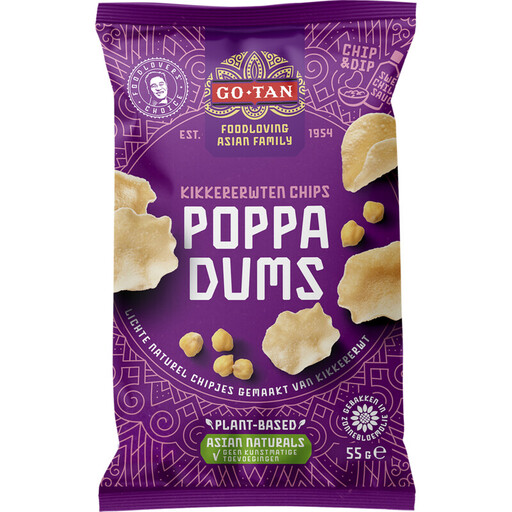
Why this fits the profile: The small pack makes trying poppadums easy and low-risk. According to the product description, they are vegetarian and intended as a crispy snack with chilli sauce.
The portion size limits waste if the flavour isn’t for you. Do check the listed allergens, which include wheat, soya and peanuts.
55 g pack; fried in sunflower oil according to the product information; suitable as a savoury snack.
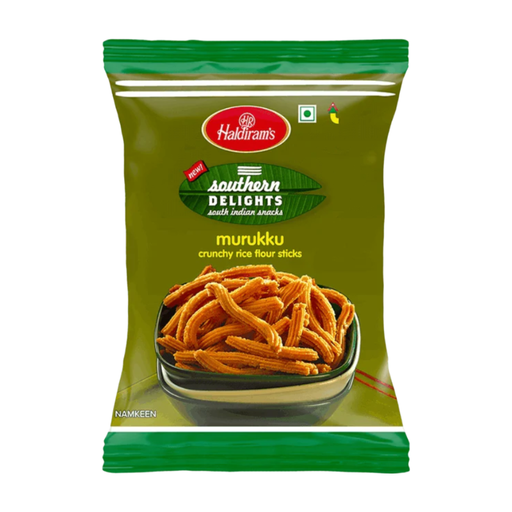
Why this fits the profile: The traditional spiral shape and combination of rice flour, wheat flour, lentil flour and spices appeal to fans of South Asian snacks for tea and coffee breaks.
The product description lists the ingredients and allergens more clearly than just a general flavour claim. This allows you to compare the product beforehand.
200 g pack; spiral shape; stated energy content of 555 kcal per 100 g.
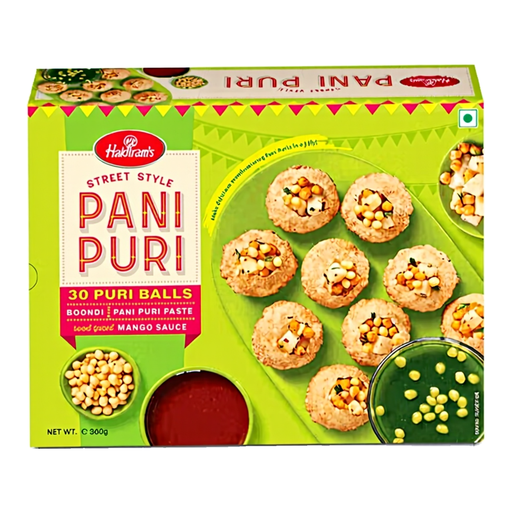
Why this fits the profile: This kit is designed for anyone who wants to put together a complete pani puri experience at home for a party, family evening or a more elaborate spread.
The contents are described in advance: puris, masala, pani, mango sauce and boondi. This means you have fewer individual components to source.
360 g total weight; multiple components in one pack; ideal for assembling and serving yourself.
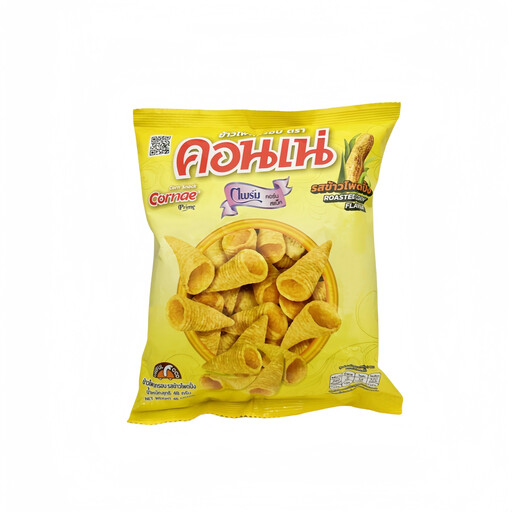
Why this fits the profile: The small portion is handy for anyone wanting to discover Korean snacks without buying a large stock straight away.
The weight and flavour direction are clearly stated. Do check for milk allergens and possible traces of peanut, soya and wheat.
48 g pack; 59% cornmeal according to the product information; ready to eat straight away.
We’ve put together a full, up-to-date list of products that fully meet these strict selection criteria and comply with current European safety regulations.
Choose a combination of ready-to-eat snacks and one product you can prepare yourself. Sev, boondi, cassava chips and prawn crackers are easy to serve in bowls. For an interactive activity at the table, pani puri or poppadums work well, as guests can add their own filling, sauce or dips. Check the portion size and allergens beforehand.
No. Many Indian snacks are based on potato, rice, chickpeas or lentils and can be vegetarian, but that doesn’t automatically apply to every product. Check the vegetarian certification mark, the ingredients list and any warnings on the packaging. Snacks with flavouring powder may also contain milk ingredients or other components.
Seal the packaging tightly and store the snack in a cool, dry place away from direct sunlight. An airtight container can help keep the crispy texture for longer. Always follow the instructions on the label and consume products that, according to the packaging, should be eaten immediately after opening, in good time.
