
Vandaag of morgen in huis

Kwaliteit gegarandeerd

Welkomstaanbiedingen ontgrendelen: GRATIS bezorging | Tot 80% korting | Gratis 30 dagen JoyPlus-proefperiode
Download de app
When you buy Asian snacks online, you’re often drawn in by eye-catching packaging, unusual flavours and words like “authentic”, “premium” or “healthy”. On their own, these terms don’t tell you much. The real differences usually lie in the ingredients, portion size, shelf life and how they’re prepared.
Whether you’re looking for breakfast, a treat with tea, a dessert or a quick bite in the UK, Asian sweets, Japanese cakes, Chinese snacks and filled buns are especially popular. Use these checks to compare products sensibly and choose something that suits how you’ll actually use them.
Matcha, avocado, milk tea or pineapple cake all sound distinctive. So check how much of the named ingredient is actually in the product. For example, the Oreo Ice Cream Matcha Flavour Sandwich Cookies list 1.5% matcha powder in the ingredients. That means the flavour isn’t coming from matcha alone.
With a pineapple cake, it’s also important to look at the filling. The Hsu Fuchi Pineapple Cake states 13% pineapple filling, alongside winter melon filling. That gives you a much more realistic picture than just the product name.
With filled buns and red bean bread, the ratio varies a lot. Bakery Village Red Bean Pineapple Bread lists a red bean filling of at least 37% within the stated filling, while Bakery Village Fresh Torn Bean Toast has a red bean filling of at least 15%.
Pay attention to the difference between the percentage of the whole snack and the percentage within a composite filling. That way, you won’t end up with a pack that promises more filling than it actually delivers.
Not every product is suitable for long-term storage straight out of the packet. Some snacks are fine at room temperature, while others need to be chilled or frozen.
Check the full ingredients list before you order. Many Asian breads, Japanese cakes and Chinese snacks contain wheat, gluten, egg, milk or soya. For snacks with nuts, such as Haochidian Yummy Spot Crispy Cashew Cake, cashew is clearly listed as an allergen.
Also look out for sweeteners, preservatives and colourings if you prefer to limit them. ThinMax Hokkaido Toast Bread, for instance, lists sweeteners and states that it contains wheat, egg, soya and milk. If you’re unsure, the product packaging is the final authority, especially when recipes change.
A pack of 52, 80 or 85 grams is usually intended for a single snack, but the number of portions can vary. The Sakuraseika Hokkaido Milk Cake contains three pieces with a total weight of 112 grams. The Oreo pack of 97 grams contains two sachets.
So don’t just compare the price per pack – also look at:
A small pack is handy for on the go, while a bag of 360 grams, like the custard buns, can be more practical for several eating occasions.
First, decide when you want to eat the snack. For immediate use, individually wrapped biscuits, baumkuchen and soft bread are convenient. For a warm breakfast, products that can be microwaved briefly or steamed are a better fit.
With Japanese cakes and Japanese biscuits, think about the texture you want:
The Atom Japanese Banana Baum Cake at 80 grams is individually wrapped and described as soft and layered with banana flavour. Funwari Kaoru Baumkuchen Cake Plain is a smaller option at 52 grams. For both, check the allergens: wheat, egg, milk and soya are listed.
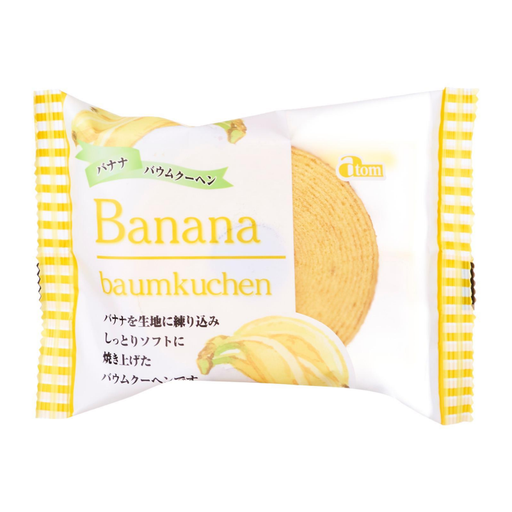
Why this fits the profile: The 80-gram portion is straightforward and individually wrapped. That makes this Japanese cake easy to take with you or serve with tea.
The weight, ingredients and nutritional values per portion are clearly stated. So you can assess the contents properly, rather than relying on the flavour name alone.
80 grams, individually wrapped, soft layered texture and banana flavour according to the product description.
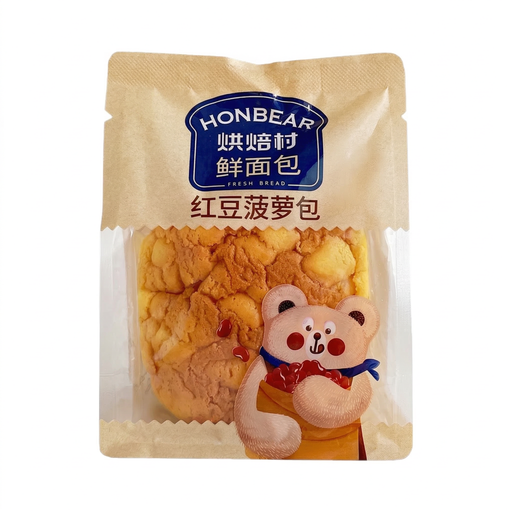
Why this fits the profile: For anyone after a clear combination of a crunchy exterior and sweet red bean filling, in a compact portion perfect for breakfast or afternoon tea.
The product information states a red bean filling of at least 37% within the stated filling and clearly lists the allergens.
85 grams, ready to eat, suitable for room temperature storage and can be briefly reheated according to the product information.

Why this fits the profile: The larger frozen pack is ideal for households that regularly want to prepare warm Chinese snacks, filled buns or a simple dessert.
The storage requirement of -18 °C or below and the preparation method are clearly stated. So you know in advance that you’ll need a steamer and freezer space.
360 grams, steam from frozen, custard filling and a stated cooking time of 10 to 12 minutes.
We’ve put together a full, up-to-date list of products that fully meet these strict selection criteria and comply with current European safety regulations.
Soft bread, red bean bread, Hokkaido toast and warm custard buns all work well for breakfast. Check beforehand whether the product is ready to eat or needs to be heated or steamed. For on the go, individually wrapped options like baumkuchen are practical.
It varies by product. Store shelf-stable snacks in a dry place away from direct sunlight. Products with a refrigeration recommendation should go in the fridge. Frozen items, such as custard buns, must be kept at -18 °C or below. Always check the date and instructions on the packaging.
Not without checking. Many products contain wheat, egg, milk or soya. Some also contain nuts or sesame. Read the allergen information before you buy, and check the label again when you receive it, because the packaging is the final authority.
