
Vandaag of morgen in huis

Kwaliteit gegarandeerd

Welkomstaanbiedingen ontgrendelen: GRATIS bezorging | Tot 80% korting | Gratis 30 dagen JoyPlus-proefperiode
Download de app
If you want to buy Asian snacks online, you’ll quickly come across a huge selection of Japanese snacks, Korean snacks, mochi, biscuits, sweets and cooking ingredients. Attractive packaging and words like “authentic” don’t always tell you enough about what you’ll receive. Portion size, allergen information and storage instructions are what really determine whether a product suits your needs.
With this practical guide, you can focus on verifiable product details rather than just flavour claims or flashy marketing.
With seaweed snacks and individually wrapped sweets, the outer packaging can look generous while the net weight is quite small. Always check the weight and number of portions. For example, a multipack with three 4 g sachets is handy for on the go, but it’s not the same as a bulk pack for multiple meals.
Flavour descriptions are subjective. A product with matcha, wasabi or ramune can turn out sweeter, more sour or spicier than you expect. Check the ingredients, nutritional information and allergens. Japanese biscuits, for instance, may contain wheat, egg, milk, soya or nuts. With furikake, sesame and soya are common things to look out for.
Nori seaweed, roasted snacks and mochi all react differently to moisture and temperature. Crispy seaweed sheets lose their texture if the pack is left open. Frozen daifuku must stay frozen until you’re ready to use it. So pay attention to the storage conditions and the best-before date on the packaging, not just the product page.
For a snack on the train, at the office or in a lunchbox, small individually wrapped portions are practical. Kimnori Seasoned Seaweed SPICY comes as 3 sachets of 4 g. The teriyaki version also has 3 portions of 4 g. For sushi, onigiri or multiple meals, packs with separate sheets are more suitable, such as Sushi Nori with 10 sheets.
If you mainly want to cook, look at the intended use. Wakame is meant for adding to soup, salad or other Japanese dishes. Furikake is sprinkled over rice, noodles, sushi or a poke bowl. That way, you won’t end up buying a snack when you actually need an ingredient.
Read the full list on the label. Products with a short ingredients list aren’t automatically suitable for everyone. The product information for NIKKO Strawberry Cookies, for example, lists wheat and egg, with possible traces of milk, soya and nuts. NIKKO Matcha Cookies contain wheat, milk, egg and soya, among other things.
Seiki Ramune Mochi lists soya, and traces of wheat and milk may be present. The Yuki & Love Green Tea Mochi contains soya. If you avoid gelatine or animal ingredients, you should also check sweets like UHA Kororo Muscat carefully; the product information lists gelatine and beef as allergen information.
The packaging is the final authority. Recipes and packaging can change. So if you have an allergy or intolerance, don’t rely solely on an online summary.
Also check the salt and sugar per 100 g. That makes it easier to compare, especially when you’re ordering several types of Asian sweets, biscuits or seaweed snacks.
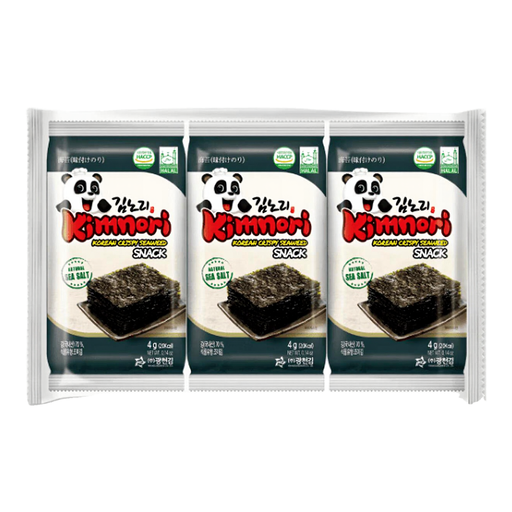
Why this fits the profile: Three small portions make it easy to try Korean snacks first without buying a large pack. Great as a crispy snack or with rice.
The number of sachets and the weight are clearly stated, so you can compare portion size and price per gram in advance.
3 x 4 g, individually wrapped and, according to the product information, made with Korean seaweed sheets.
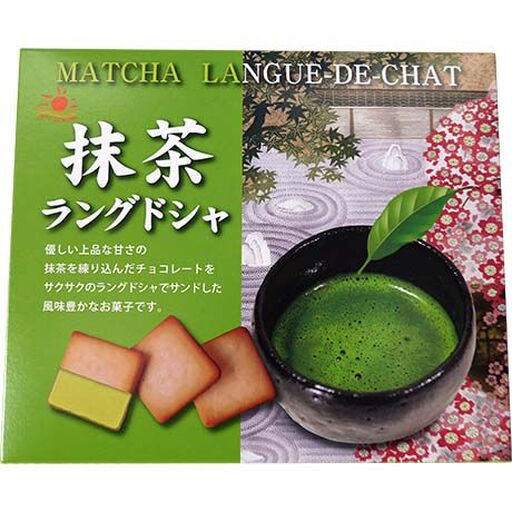
Why this fits the profile: These Japanese biscuits combine a familiar 90 g size with matcha as a clearly named ingredient. They work well as a snack with tea or as a small gift.
The ingredients and nutritional values are listed, so you don’t have to rely solely on the name “matcha”. The pack contains 90 g.
Japanese origin, 0.6% matcha according to the product information, and clear mention of wheat, milk, egg and soya.
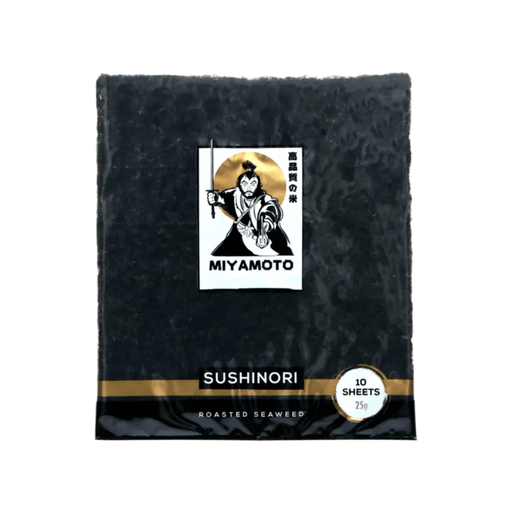
Why this fits the profile: If you regularly make sushi, hand rolls or onigiri, loose sheets are much more useful than small snack sachets.
The product is aimed at cooking and contains 10 roasted nori sheets. That makes its use clearer than with a seasoned snack.
10 sheets, roasted seaweed and suitable for sushi, rice balls and hand rolls according to the product description.
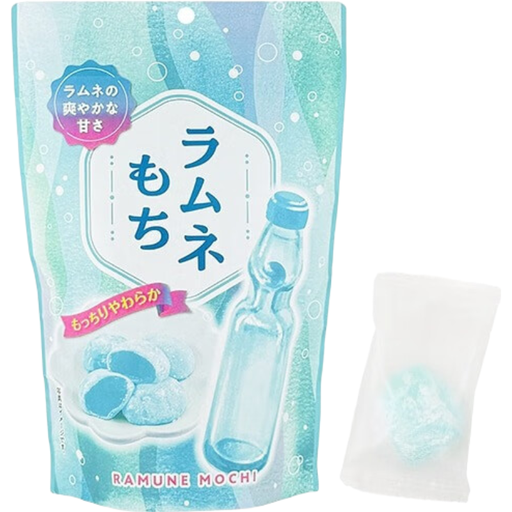
Why this fits the profile: The soft texture and ramune flavour offer a different snacking experience from biscuits or crispy nori.
The individually wrapped pieces help with storage and sharing. The product information also lists soya and possible traces of wheat and milk.
130 g, individually wrapped and with a sweet-and-sour ramune flavour according to the product description.
We’ve put together a full, up-to-date list of products that fully meet these strict selection criteria and comply with current European safety regulations.
For a meal, you can use Wakame - Natural Dried Seaweed 100% 50g in soup or salad. Nihon Kaisui Nori Furikake 50g is practical when you want to quickly add extra flavour to rice, noodles or onigiri. For a spicy addition, S&B Wasabi Flavour Horseradish Paste 43 g is suitable for sushi, sashimi, soba and dressings. According to the product information, this paste contains mustard.
If you’re after soft sweets, you could also look at Mikakuto UHA Kororo Muscat 48g or ORIHIRO Grape Konjac Jelly 120g. Always check the ingredients and the recommended way to eat these products.
Individually wrapped mochi, Japanese biscuits and small packs of sweets are easy to share. Do pay attention to allergens, shelf life and whether chilled or frozen delivery is needed. Frozen daifuku requires more planning than biscuits or shelf-stable sweets.
Store nori in a cool, dry place away from direct sunlight. Seal the pack tightly and consume opened crispy sheets quickly if possible. Moisture can make the texture less crispy. Always follow the instructions on the packaging.
Seaweed snacks are usually seasoned and ready to eat, such as Kimnori or POLI Toasted Seaweed. Japanese ingredients, like wakame, sushi nori, furikake and wasabi paste, are intended for preparing or finishing dishes. So think about how you’ll use it before you order.
