
Vandaag of morgen in huis

Kwaliteit gegarandeerd

Welkomstaanbiedingen ontgrendelen: GRATIS bezorging | Tot 80% korting | Gratis 30 dagen JoyPlus-proefperiode
Download de app
Buying Asian snacks online gives you access to Japanese biscuits, Korean snacks, Chinese snacks and lesser-known products from other parts of Asia. At the same time, it’s harder to judge packaging, portion size and ingredients properly before you buy. A striking photo tells you little about the taste, shelf life or whether a product is suitable for someone with an allergy.
With these checks, you can compare Asian snacks more practically and avoid a wasted purchase.
A multipack or box of individual portions might look appealing, but first check the net weight and the number of packs. A box of 20 small portions can be handy for on the go, while a 200g bag is better suited to a film night. So compare the price per 100g, not just per pack.
The label “spicy snacks” doesn’t indicate a fixed level of heat. Chilli, Sichuan pepper, garlic, ginger and fermented bean paste can each give a completely different flavour profile. Read the ingredients list and see whether chilli or a spice blend appears early on. A brand’s flavour description is a product claim, not an objective measure of heat.
In crisps and biscuits, milk, wheat, soya or mustard are often found in the seasoning powder or filling. Always check the actual packaging. Product information online can change, and the packaging remains the definitive source. Also look out for warnings such as “may contain traces of peanuts, nuts, egg or sesame”.
When checking Asian biscuits, tofu snacks and konjac snacks, look out for:
A short ingredients list doesn’t automatically mean a product meets all your personal preferences. For example, Yuki & Love Dorayaki with red bean filling lists soya, wheat and egg. According to the product information, the packaging also contains oxygen absorbers and desiccants; these are not edible and must be removed after opening.
Use the table per 100g to compare products fairly. Biscuits and crisps often contain relatively high amounts of energy, fat, carbohydrates or salt. The stated values aren’t a recommendation for how much you should eat, but they do help when comparing, for example, sweet snacks with savoury ones.
Also pay attention to the portion size. Lay’s Patatje Joppie comes in a 200g bag, with the product description stating roughly 6 to 7 portions of 30g. An individual pack, such as the 70g Laoli Five-Spice Dried Tofu, makes portioning and taking with you much easier.
Check whether a snack needs to be stored unopened in a cool, dry place. After opening, the packaging often needs to be sealed well to keep the crunch. Products with a moist texture sometimes have extra instructions.
DSKONYAKU Premium Tteokbokki Konjac (250g) should not be frozen, according to the product information. After opening, it must be kept submerged in water in a sealed container in the fridge and consumed within two days. That’s clearly different from dry crisps, biscuits or individually wrapped konjac snacks.
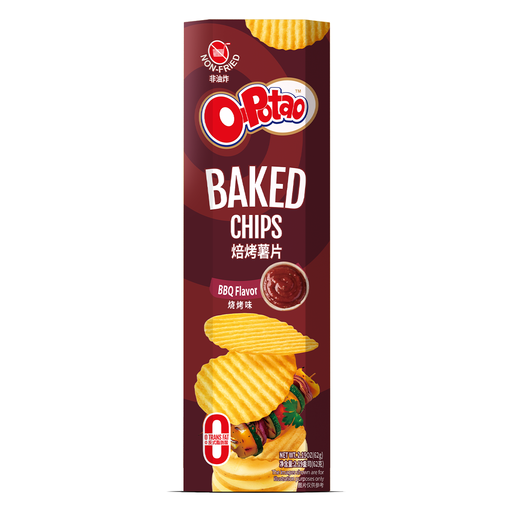
Why this fits the profile: The small bag is a manageable introduction to an Asian BBQ flavour, without ordering a large stock straight away. The product is ready to eat and suitable for home or on the go.
The net weight of 62g is clearly stated. The allergen information warns of possible traces of soya and milk, so you can check this beforehand.
Baked potato snack with BBQ seasoning; 62g; ready to eat straight away.
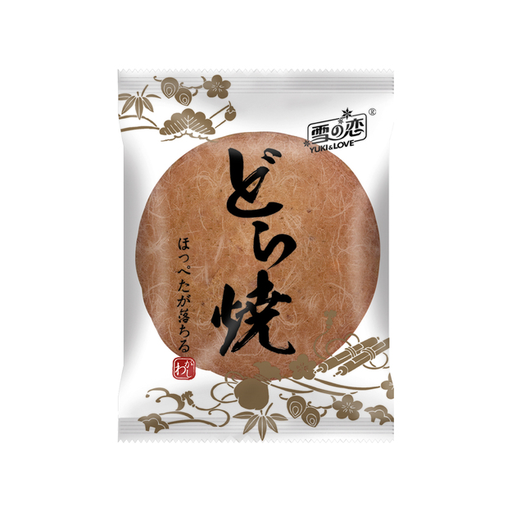
Why this fits the profile: This Japanese snack has a soft cake texture with a sweet red bean filling. The 55g portion is perfect for a coffee break, tea time or a small treat.
The product information states the filling, weight, origin (Taiwan) and allergens. So you know in advance that it’s not a biscuit without soya, wheat or egg.
Soft Japanese dorayaki; red bean paste filling; individual 55g portion.

Why this fits the profile: The box contains 20 individual portions of 18g each. That’s practical for sharing, stocking the cupboard, a student kitchen or snacks on the go.
The packaging makes the portion size easy to check. The product information also lists soya and wheat as allergens and advises storing the product sealed after opening.
20 individually wrapped portions; konjac flour listed at 6%; crunchy and chewy texture according to the product description.
We’ve put together a full, up-to-date list of products that fully meet these strict selection criteria and comply with current European safety regulations.
Choose a pack with multiple small portions, such as the Wei Long box with 20 sachets, or a larger bag of crisps. For a mixed snack platter, you can combine sweet snacks, savoury snacks and spicy snacks. Do check the allergens for each product, as spice blends and fillings can vary.
Dry biscuits and crisps generally stay good until the date on the pack when stored in a cool, dry place. After opening, they can go soft more quickly. For moist snacks, such as konjac rice cake tteokbokki, specific fridge and usage instructions apply. So always follow the label.
First, look at the flavour intensity, net weight, preparation method and allergens. With Korean products like tteokbokki, a sauce or cheese mix may contain milk. With Chinese snacks, tofu snacks and konjac snacks, soya, wheat and flavour enhancers are common. Use the actual product packaging as your final check before ordering.
