
Vandaag of morgen in huis

Kwaliteit gegarandeerd

Welkomstaanbiedingen ontgrendelen: GRATIS bezorging | Tot 80% korting | Gratis 30 dagen JoyPlus-proefperiode
Download de app
The world of Asian snacks is rich and diverse, from crispy, spicy broad beans to soft and sweet Japanese candy. Buying Asian snacks online unlocks a world of flavors you won't easily find in a mainstream supermarket. But it can also feel like a gamble. A colorful package might hide a half-empty bag, and the description 'spicy' can mean almost anything.
Before you fill your digital shopping cart, it's helpful to know a few common pitfalls. This ensures your purchase won't be a disappointment and that you get exactly what you're craving.
The selection is overwhelming, and marketing can be misleading. Pay special attention to the following two points to avoid a purchase you'll regret.
To sidestep these pitfalls, you can focus on a few concrete product characteristics. These specifications will give you a much better idea of what to expect.
Good product descriptions provide more detail than just "spicy" or "sweet." Look for more specific terms that reveal the character of the snack:
The ingredient list is your most reliable source of information. A reliable online Asian grocery store clearly lists all ingredients and allergens according to EU guidelines. This not only helps you avoid unexpected flavors but also allows you to account for any allergies. For example, many Asian appetizers contain soy, peanuts, wheat (gluten), or shellfish.
Additionally, always pay attention to the net weight (indicated in grams). This tells you exactly how much product you're getting, regardless of the package size. Compare the net weight to the price to determine the actual value.
To help you get started, we've selected a few snacks that cater to different preferences.
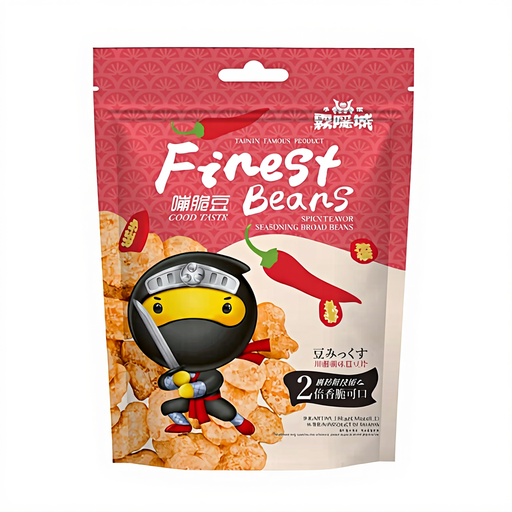
Why This Fits Their Persona: Perfect for those tired of standard bar nuts. These spicy broad beans offer a solid crunch and a distinct, savory flavor that pairs well with a drink. A popular choice for lovers of savory and spicy Asian appetizers.
The 'Spicy Flavour' description is supported by a clear ingredient list featuring chili and spices. This way, you know you're getting a genuinely spicy snack, not a vague promise.
Rich in protein and fiber, making it a more filling option than many other bar snacks. The 140g package offers a good amount for sharing.
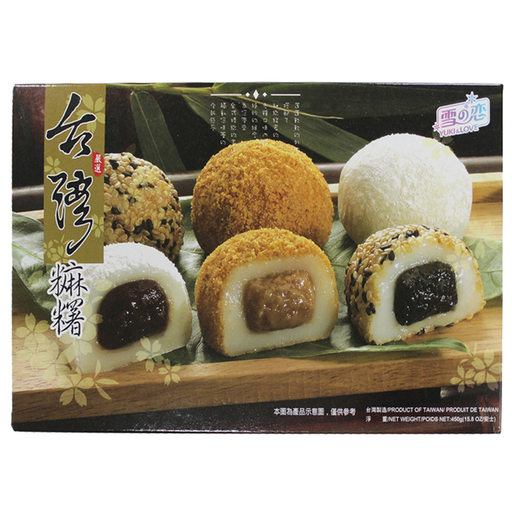
Why This Fits Their Persona: Ideal with tea or as a dessert. The soft, chewy texture of this Japanese candy is a unique experience. This box offers three classic fillings (sesame, peanut, red bean), perfect for discovering different flavors.
Instead of gambling on a single unknown flavor, this assorted box provides a safe introduction to the most popular mochi fillings. The texture, its key feature, is clearly described as 'soft and chewy'.
Three flavors in one package, convenient for sharing or for finding your personal favorite. The 450g package offers good value for the price.
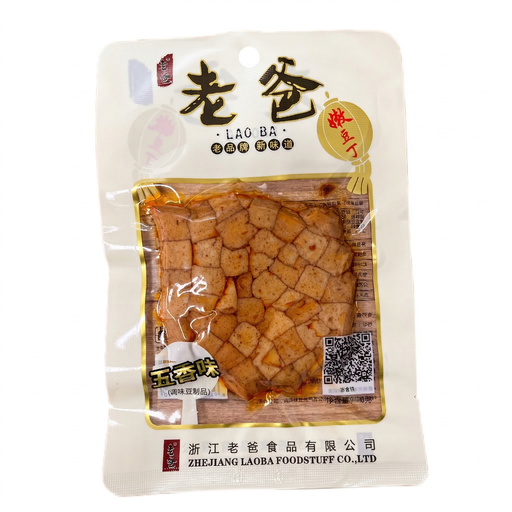
Why This Fits Their Persona: An excellent alternative to meat or cheese snacks. This tender tofu snack is seasoned with five-spice powder, which imparts a warm, savory, and complex umami flavor without being overwhelmingly spicy.
The name 'five spices' refers to a specific, recognizable flavor combination in Chinese cuisine. This provides a much clearer flavor profile than a generic term like 'savory'. The texture is described as 'tender', which gives a good indication of what to expect.
Ready-to-eat, protein-rich, and plant-based. A convenient and nutritious snack for in-between meals or as a small side dish. The 70g package is a good portion size.
We have compiled a complete, up-to-date list of products that fully meet these strict selection criteria and EU regulations.
Check the ingredients. The presence of "Sichuan pepper" often indicates a 'mala' (numbing) spiciness. "Chili" is a more general term. Products from regions like Sichuan, Hunan, or Korea are known for their spicy flavors. If in doubt, start with a product described as 'mildly spicy' or look for reviews from other buyers.
Japanese mochi is made from a specific glutinous rice (mochigome) that is steamed and pounded into a paste. This process results in its characteristic soft and very chewy texture. Other Asian snacks, like Chinese 'nian gao', can also be made from glutinous rice flour, but the preparation method and texture may differ. They are sometimes firmer and are fried or steamed before eating.
Always check the product page for information on the best-before date. A reliable online store will provide clear storage instructions, such as 'store in a cool, dry place'. Opt for individually wrapped snacks if you plan to consume them over a longer period, as this better preserves freshness after opening the main package.
