
Vandaag of morgen in huis

Kwaliteit gegarandeerd

Welkomstaanbiedingen ontgrendelen: GRATIS bezorging | Tot 80% korting | Gratis 30 dagen JoyPlus-proefperiode
Download de app
If you’re looking to buy Asian snacks, you’ll find plenty of choice online: from Chinese snacks and Korean snacks to spicy crisps, sweet treats, and fruit and vegetable crisps. However, the packaging doesn’t always tell the full story. A striking flavour name, large size, or a claim like “baked” can give the impression that you’re automatically making the right choice.
With this practical guide, you’ll focus on the information that really matters: flavour, portion size, preparation method, ingredients, allergens, and nutritional values.
“Spicy”, “mala”, “barbecue”, or “honey butter” can taste very different from one brand to another. Spicy snacks containing Sichuan pepper, in particular, can deliver not just heat but also a tingling or numbing sensation in the mouth. If you’re expecting a mild snack, you could end up disappointed.
So don’t just look at the name – check the ingredients too. Chilli powder, Sichuan pepper, pepper extracts, and flavour enhancers give a much better indication of the flavour profile.
Some products are described in the product description as baked or not fried. That alone says nothing about the total energy, fat, sugar, or salt content. For example, Yan Jin Pu Zi O’Potato Original lists 32g of fat per 100g on the label, while the barbecue flavour states 24g.
So always compare the nutritional values per 100g, not just the text on the packaging. With smaller bags, also pay attention to the net weight: a snack of 60g or 62g is quite different from a bag of 135g or 216g.
With Asian crisps and snacks, wheat, soya, milk, egg, sesame, and shellfish can be part of the flavouring. Copico Barbecue, for instance, contains wheat and soya. Haitai Honey Butter Chips lists milk, wheat, and soya. With prawn crackers, the product may sometimes state that it could contain shellfish.
Always check the current packaging and allergen information before ordering. Product details can change, and the packaging is the final authority.
Distinguish between a simple potato taste and snacks with multiple layers of flavour. Copico Original uses an original potato seasoning, while Copico Barbecue contains barbecue seasoning and flavour enhancer E635. For a sweet-savoury taste, Haitai Honey Butter Chips and ChaCha Honey Butter Potato Sticks are options worth considering.
With Chinese snacks like Mahua or gluten snacks, wheat is often a key ingredient. If you’re specifically looking for fruit and vegetable crisps, check the ingredients list of MUSHAN BASE: it includes purple sweet potato, banana, taro, apple, garden pea, and carrot.
Small bags of around 60 to 65g are practical for a lunchbox, a snack on the go, or a single portion. Larger packs of 125g to 216g are better suited to a film night or snacks to share.
After opening, follow the storage instructions. Most crisps keep their crunchy texture better if you reseal the bag properly and store it in a cool, dry place away from direct sunlight.
Most products in this range are ready to eat. Huaseed Original Juice Shrimp Chips are an exception: these are uncooked prawn-cracker-style snacks that, according to the product information, need to be fried in hot oil until they puff up.
That makes them less suitable as a quick snack on the go, but they’re an interesting option as a warm snack or starter at home. If in doubt, always check whether the packaging says “ready to eat”.
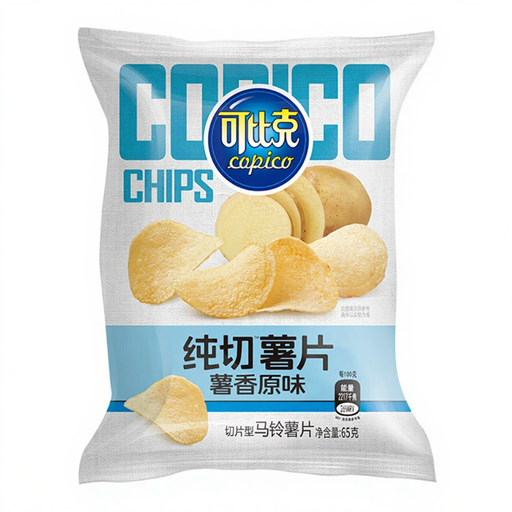
Why this suits the profile: A compact bag with a familiar potato flavour is an accessible choice when you’re trying Chinese crisps for the first time.
The flavour is described as original, and the portion is 65g, so you’re not buying a large bag of an unfamiliar taste straight away.
65g; ready to eat; per 100g the label states 531 kcal and 1.4g salt.
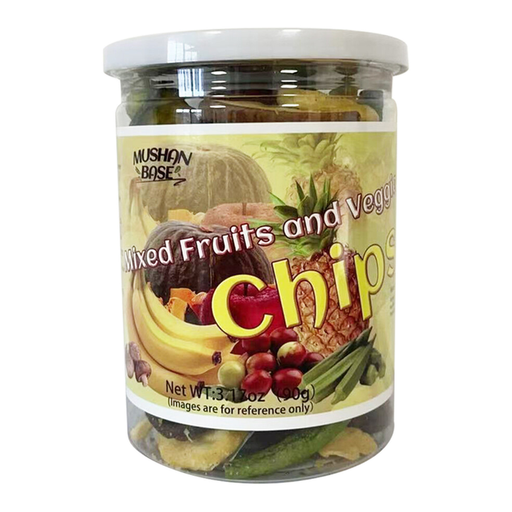
Why this suits the profile: Ideal for anyone looking for more variety than standard potato crisps and wanting to try different textures.
The product information lists the individual ingredients and states 26.4g sugar and 0.3g salt per 100g, so you can gauge the sweeter taste in advance.
Mix of fruit and vegetables; 90g; according to the product description, prepared using low-temperature vacuum frying.
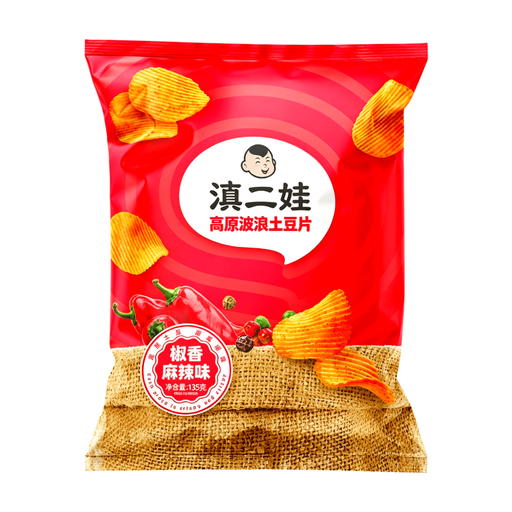
Why this suits the profile: The larger bag is ideal for fans of spicy snacks and occasions when you want to share crisps.
The product name clearly states spicy and mala. The ingredients list chilli powder and Sichuan pepper, so the flavour profile shouldn’t be mistaken for mild.
135g; wavy cut; soya listed as an allergen; 1.2g salt per 100g according to the product information.
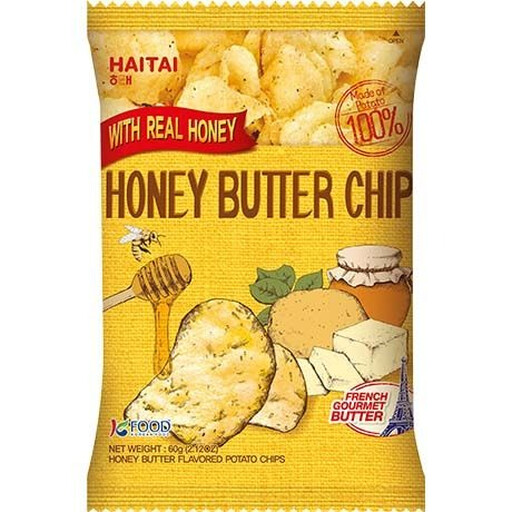
Why this suits the profile: A small pack with a distinctive sweet-savoury profile for anyone wanting to explore Korean snacks and buttery seasoning.
The product information clearly states the flavour and the allergens: milk, wheat, and soya. That helps if you want to avoid seasoning with multiple ingredients.
60g; 89% potato according to the label; ready to eat; 1.0g salt per 100g.
We’ve put together a full, up-to-date list of products that fully meet these strict selection criteria and comply with current European safety regulations.
Choose a sealed pack of around 30g to 65g. Small bags like Copico Original, Haitai Honey Butter Chips, or Liangpin Puzi Strawberry Crisp are practical to take with you. Check that the product is ready to eat, and store the pack in a dry place to help keep it crunchy.
No. “Baked” describes the preparation method, but not automatically the total nutritional value. Compare energy, fat, saturated fat, sugar, and salt per 100g. Also check whether the snack still fits within your own eating habits.
That depends on the product and the packaging. Follow the instructions on the label, seal the bag well, and store it in a cool, dry place away from direct sunlight. Prawn crackers that you need to fry yourself should be stored dry before opening and eaten straight after preparation.
