
Vandaag of morgen in huis

Kwaliteit gegarandeerd

Welkomstaanbiedingen ontgrendelen: GRATIS bezorging | Tot 80% korting | Gratis 30 dagen JoyPlus-proefperiode
Download de app
When you’re looking to buy Asian snacks online, you’ll quickly come across a huge selection: from Chinese snacks and Korean snacks to Japanese snacks, Thai snacks and spicy snacks. The packaging often shows striking flavours, plant-based proteins or an unusual texture. Yet an attractive front doesn’t tell you everything about the ingredients, portion size or whether it’s right for your diet.
Use this practical checklist to compare snacks on points you can actually check. That way, you’ll avoid ending up with a product that’s too salty, contains allergens you weren’t expecting, or loses its crunch soon after opening.
Seaweed snacks and individually wrapped konjac snacks are often light. A pack containing several small sachets can therefore look bigger than the actual contents. Always check the net weight and the number of portions. A multipack with 20 sachets of 18 grams is quite different from one bag of 360 grams that you have to divide yourself.
Vegetarian snacks can contain soya, wheat, gluten or sesame. This is especially true for vegetarian meat, snacks based on wheat gluten and plant-based protein snacks. So always read the allergen information on the label, even when a product is clearly presented as vegetarian.
For example: several seasoned vegetarian snacks contain soya and wheat, while some corn snacks, according to the product information, contain none of the 14 main EU allergens. Always check the current packaging before purchasing and consuming.
Spiciness can come from chilli, Sichuan pepper, wasabi or a combination of spices. Sichuan mala gives a tingling or numbing sensation in the mouth as well as heat. Wasabi provides a different, shorter sharpness. A snack with fresh chilli tastes quite different from one with dried spices.
Also pay attention to salt. In the nutritional information provided, salt levels vary widely. For example, Wuxianzhai Vegetarian Steak contains 2.55 grams of salt per 100 grams, while Hao Ba Shi Vegetarian Beef Steak lists 3.1 grams. So don’t just compare the flavour description – compare the nutrition table too.
First, look at the main ingredient:
Then check the bold allergens on the packaging. Sesame is common in Korean seaweed snacks and sesame sauces. Soya and wheat are widespread in Chinese snacks, plant-based protein snacks and vegetarian meat alternatives.
If you want something for on the go, choose a product that is ready to eat and doesn’t need refrigeration or preparation. For home, you can also pick a snack that goes well with rice, noodles, soup or congee.
Pay attention to the packaging after opening. Some snacks need to be refrigerated and consumed quickly. Crispy products like seaweed snacks and corn puffs keep their texture better if you seal the pack properly and keep moisture away.
Compare the nutritional value per 100 grams, but also look at the actual portion. A seaweed roll of 2.1 grams naturally contains a different amount of energy and salt than a bag of spicy gluten strips weighing 135 grams.
Larger packs are handy for sharing. Individual sachets are better suited to a lunchbox, the office or a train journey. If you’re looking for vegetarian meat or a plant-based protein snack, you can also check the stated protein content. That’s a product specification, not a guarantee of how full it will make you feel.

Why this suits the profile: A small pack with three portions is an accessible way to try Korean snacks for the first time. According to the product information, the snack is gluten-free and contains seaweed, rapeseed oil, sesame oil and salt.
The number of pieces and the portion size are clearly stated. Do check for sesame as an allergen on the label.
Three small portions, a crispy texture and a short ingredients list.
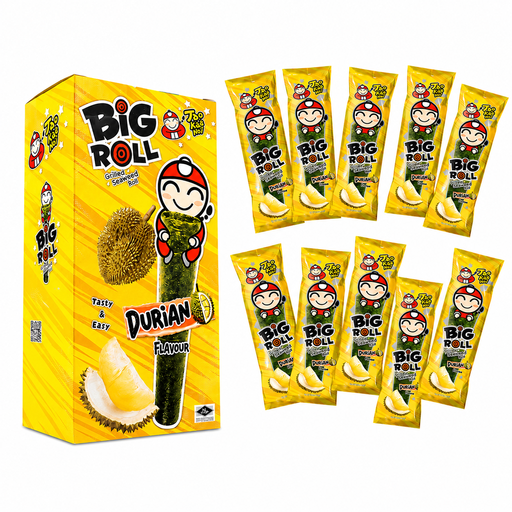
Why this suits the profile: This Thai snack combines roasted seaweed with durian and is aimed at fans of unusual flavour combinations. The nine individually wrapped rolls are perfect for sharing or taking with you.
The flavour direction and country of origin are clearly stated. Durian is a strong taste, so this is no neutral seaweed snack.
Nine separate rolls, a crispy texture and a clearly adventurous flavour profile.
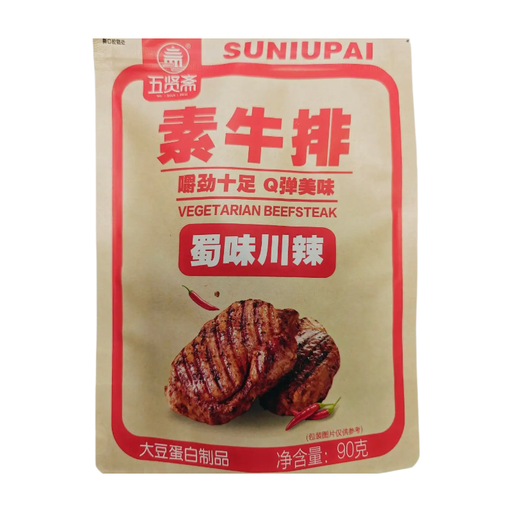
Why this suits the profile: The snack is ready to eat and uses soya protein and wheat gluten for a firm bite. The Sichuan seasoning with chilli and peppercorns is ideal for fans of bold Chinese snacks.
The product information states 90 grams, 28 grams of protein per 100 grams and the allergens present: soya and gluten.
Ready-to-eat, 90 grams per pack and a firm plant-based texture.
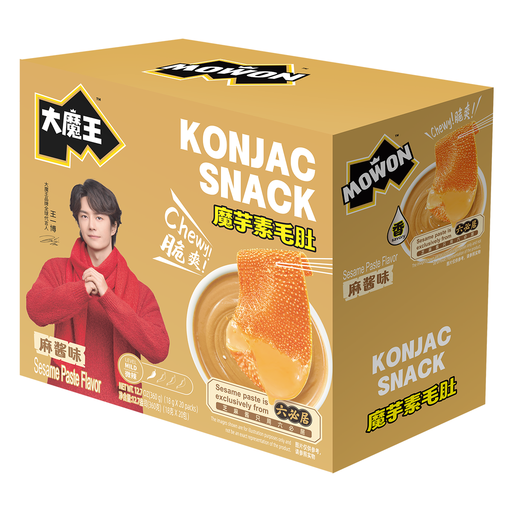
Why this suits the profile: Twenty individual sachets of 18 grams are practical for portion control, on the go or at the office. According to the product information, the snack has konjac as its main ingredient and a sesame paste flavour.
The individual portions prevent the whole outer pack from being opened at once. Please note: the product contains soya, sesame and wheat.
Twenty takeaway portions, chewy texture and 92 kcal per 100 grams according to the product information.
We’ve put together a full, up-to-date list of products that fully meet these strict selection criteria and comply with current European safety regulations.
Choose individually wrapped products that are ready to eat and can be stored at room temperature. Konjac snacks in small sachets, seaweed rolls and small bags of spicy snacks are practical for work, study or travel. Always check the storage instructions after opening.
No, that varies from product to product. There are many vegetarian snacks and plant-based protein snacks, but also products containing fish, shellfish or other animal ingredients. Check the ingredients list and don’t just look for words like “vegetarian” on the front.
Check which flavouring is used: chilli, Sichuan pepper, mala or wasabi. Also check the amount of salt per 100 grams and the portion size. If you don’t have much experience with spicy flavours, start with a small pack or a multipack with individual portions.
