
Vandaag of morgen in huis

Kwaliteit gegarandeerd

Welkomstaanbiedingen ontgrendelen: GRATIS bezorging | Tot 80% korting | Gratis 30 dagen JoyPlus-proefperiode
Download de app
When you want to buy Asian snacks online, you’ll quickly come across a wide mix of Chinese buns, bao buns, taro buns, sweets and crispy treats. The packaging often focuses on how tasty and convenient a product is. However, other details determine whether a snack really suits your household: the preparation method, allergens, storage and ingredients.
With this practical guide, you’ll pay less attention to marketing language and more to verifiable product information. That way, you’ll avoid a bad buy for breakfast, lunch, dessert or a drinks gathering.
Frozen Asian snacks are usually pre-cooked, but that doesn’t mean you can eat them cold. Many buns state that they need to be thoroughly heated. For example, the Synear black sesame buns must be steamed or heated in the microwave according to the product information. The packaging also notes that they are not ready-to-eat.
Always check:
Taro buns, red bean buns and Asian desserts can vary greatly in sweetness and texture. Look at the percentage of the main ingredient. The Synear Taro Bun contains 20.3% taro, for example, while the Freshasia Taro Bun states 15% taro. That’s a more objective point of comparison than just the product name.
Also pay attention to added sugar, oil, thickeners and sweeteners. The MUSHAN Mung Bean Cake contains trehalose, maltitol syrup and sorbitol, among other ingredients. If you’re sensitive to certain sweeteners, it’s wise to read the ingredients list beforehand.
A vegetarian Asian snack can still contain milk, egg or other animal ingredients. Likewise, a product without meat may still contain wheat, soya or sesame. The Autodrop Vegan Cadillacs state that the product is vegan and gluten-free and contains none of the 14 major EU allergens. However, the product information for Fruittella Long John Vegan lists milk as an allergen. So always check the current label, especially when the product information differs from one source to another.
Bao buns and other Chinese buns are often steamed. The Freshasia Chinese Bun with beancurd skin and mushroom filling must be steamed from frozen for 10 to 12 minutes according to the product information. The Fresh ASIA Radish Handmade Vegetable Bun can also be prepared in the microwave, but steaming is the recommended method.
A product like puff pastry requires a different approach: Koopmans Bladerdeeg Original consists of ten sheets and must always be thoroughly cooked. The pastry is not intended to be eaten raw.
For consumers with an allergy, the bold allergens on the packaging are more important than general claims on the front. Many buns contain wheat and gluten. Some varieties also include soya and sesame, such as the bun with beancurd skin and shiitake.
If you’re looking for gluten-free snacks, the organic lentil wafers from Leev are a clear option based on the product information provided. They consist of 99.5% lentil flour, but do state that they may contain soya. The organic chickpea wafers are made from chickpea flour and rice flour and also list soya as an allergen.
Frozen products should generally be stored at -18 °C or colder. Check that you have enough space in your freezer and pay attention to the quantity per pack. The Chinese vegetarian buns from Freshasia and the radish buns are packed in 480g portions. That can be practical for a family, but less convenient if you live alone.
For dry snacks, the opposite applies: seal the packaging well and store it in a cool, dry place away from direct sunlight. This advice applies, for example, to vegan sweets, mung bean cake and lentil wafers.
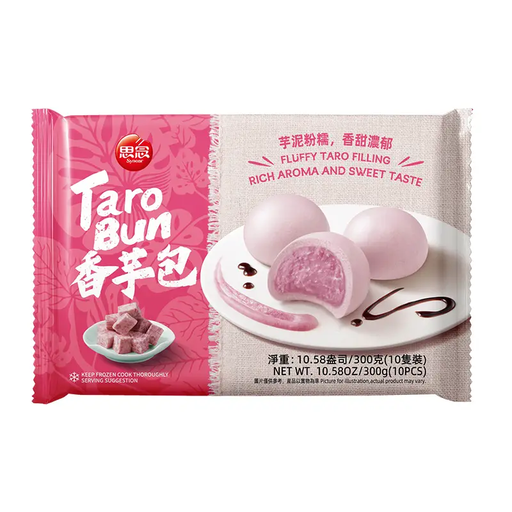
Why this fits the profile: A straightforward choice for anyone trying taro buns for the first time and looking for a smaller pack for breakfast or a snack.
The product information clearly states that the buns must be stored frozen and should not be refrozen after defrosting.
300g, 20.3% taro in the ingredients list and a preparation method focused on steaming.

Why this fits the profile: For anyone looking for a distinctive Asian dessert with black sesame and who values portions that are quick to prepare at home.
The instructions give separate timings for steaming and microwave use and emphasise that the centre must be fully heated through.
15% black sesame, 300g and nutritional information including 0.2g salt per 100g.
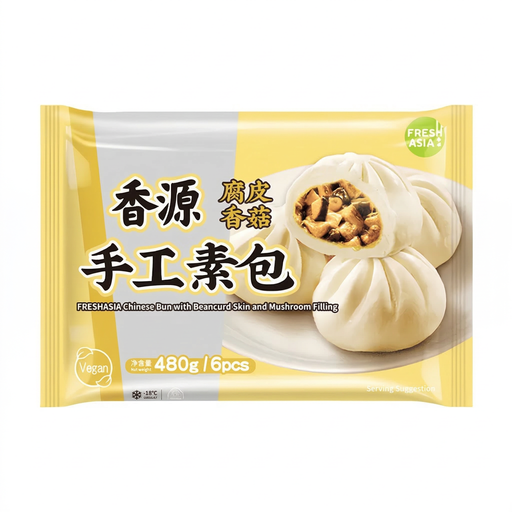
Why this fits the profile: A savoury, vegetarian option for households that want to serve several buns at once for lunch, dinner or a drinks gathering.
The packaging states that the product should not be eaten raw and that the frozen buns need to be steamed for 10 to 12 minutes.
480g, with beancurd skin, shiitake and bamboo shoots; contains 10g protein and 0.5g salt per 100g.
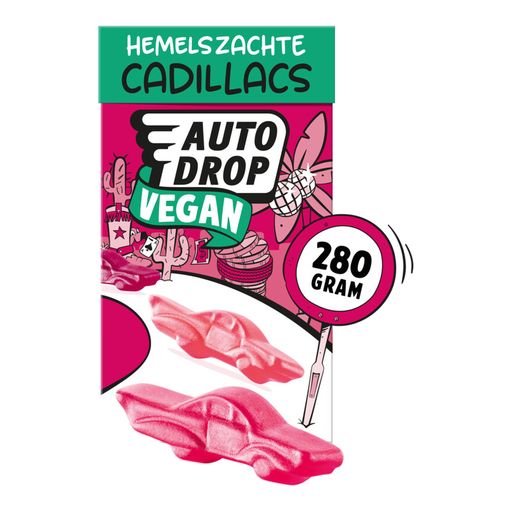
Why this fits the profile: A shelf-stable choice for anyone looking for vegan sweets and gluten-free snacks without needing a freezer or preparation.
The product information explicitly states vegan and gluten-free and gives storage advice for a dry, cool place.
280g, three fruit flavours and natural colourings and flavourings according to the product description.
For a savoury, gluten-free option, the Leev Organic Lentil Wafers and Leev Organic Chickpea Wafers are worth comparing side by side. If you’re looking for Asian sweets, you could also consider the Freshasia Taiwanese Bean Paste Bun with red bean filling, the MUSHAN Mung Bean Cake or the taro buns.
Always check the current packaging with every choice. Product information, allergens and preparation instructions can change. When in doubt, the label is what counts.
We’ve put together a full, up-to-date list of products that fully meet these strict selection criteria and comply with current European safety regulations.
Steamed bao buns and Chinese buns are practical when you have a steamer or microwave. Check the preparation time beforehand. The vegetarian Fresh ASIA Radish Handmade Vegetable Bun can be steamed in 10 to 12 minutes according to the product information, while other products require a different method.
That varies from product to product. Taro buns and red bean buns don’t automatically contain meat, but they may contain other animal ingredients. So check the full ingredients list. The Freshasia buns with beancurd skin and mushroom are described as a vegetarian option. Autodrop Vegan Cadillacs are listed as vegan.
Store them at -18 °C or colder and follow the best-before date on the packaging. Only defrost what you plan to cook immediately, and don’t refreeze a defrosted product if the packaging advises against it. The exact shelf life is stated on the product itself.
