
Vandaag of morgen in huis

Kwaliteit gegarandeerd

Welkomstaanbiedingen ontgrendelen: GRATIS bezorging | Tot 80% korting | Gratis 30 dagen JoyPlus-proefperiode
Download de app
When you buy Asian snacks online, you’ll quickly come across terms like “authentic”, “restaurant-style” and “premium”. On their own, these words don’t tell you much. To make a good choice, it’s far more important to look at the ingredients, preparation method, storage temperature and portion size. This applies to Chinese snacks, Japanese snacks, frozen dim sum and ready-to-eat snacks.
From crispy senbei and spicy wheat sticks to gyoza, wontons, siu mai and bao buns, the range is vast. The checklist below will help you avoid buying a product that doesn’t suit your mealtime, freezer or cooking routine.
A big pack might look appealing for a family, student house or party. First, check the net weight, the number of pieces and the shelf life after opening. A 2.5 kg pack is practical for a party or large household, but less suitable if you only eat a snack every now and then.
Also pay attention to the difference between a multi-pack and individual portions. Three bags of 500 g are easier to store and portion out than one large, opened bag.
Some ready-to-eat Asian snacks can be eaten straight from the packet, such as certain spicy sticks, rice crackers and biscuits. Frozen dim sum, dumplings and bao buns usually need to be fully heated.
The label might state, for example, that a product contains raw dough. Do not eat it unprepared. Always follow the cooking instructions on the packaging, especially for products containing meat, fish, shellfish or a raw filling.
Asian frozen products should generally be kept at a storage temperature of -18 °C or lower, unless the packaging states otherwise. Check on arrival whether the product is still frozen. Do not let it thaw unnecessarily, and never refreeze a product once it has thawed.
Different rules apply to chilled or ambient snacks. A spicy stick, senbei or millet pancake, for example, should be stored in a cool, dry place, not in the freezer.
Read the allergen information before you order. Many gyoza, dumplings and wontons contain wheat, gluten, soya and sometimes sesame. With shrimp dumplings and har gow, shellfish and sometimes fish are also present. Siu mai with pork, beef or prawns each have a different composition.
Also look at the percentage of the main ingredient. In the product information for the delico Dim Sum Assortment, for example, separate percentages are given for prawns, beef and pork. This makes comparison much clearer than just a flavour name on the front.
The right snack also depends on your kitchen. If you want to eat quickly, choose a product that can be prepared straight from the freezer.
Times vary by brand and size. Use the packaging as a guide and make sure a filled snack is piping hot all the way through.
Compare the nutritional values per 100 g, not just per portion. This makes it easier to see the difference between, for example, gyoza, rice crackers and spicy wheat sticks. Pay particular attention to energy, fat, sugar and salt. A snack to have with tea has a different profile from a meal component with chicken, vegetables or prawns.
The values stated are product data and may change per pack. Always check the current label when you buy.
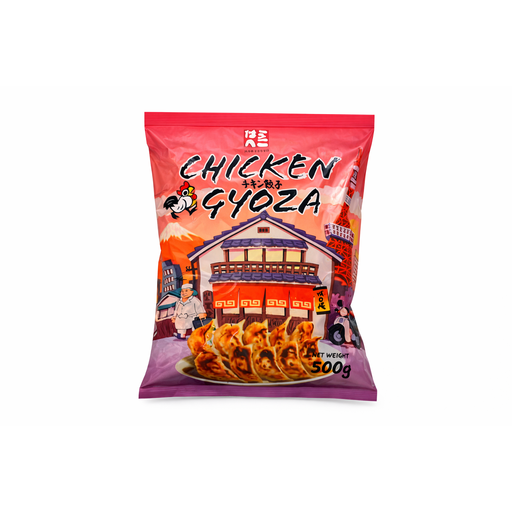
Why this fits the profile: A 500 g pack is a manageable size for a first introduction to gyoza. The product information lists pan-frying, deep-frying and steaming as preparation options.
You don’t have to buy a large stock straight away. The product is delivered frozen and must be stored frozen according to the description.
Chicken and vegetable filling, 500 g net weight and three preparation methods according to the product information.
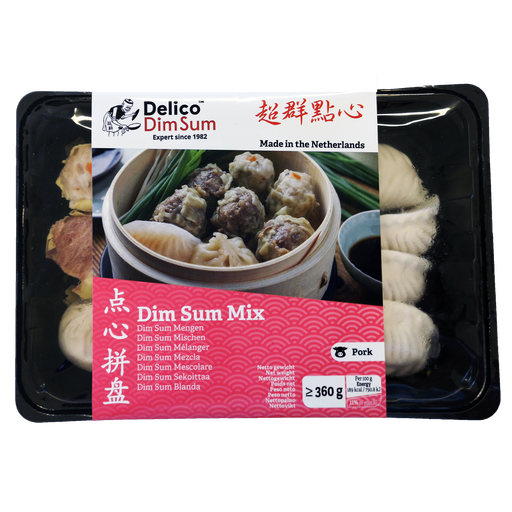
Why this fits the profile: This mix is ideal for anyone who wants to serve different dim sum styles without buying several boxes. The assortment pack contains har gow, beef siu mai, pork siu mai and xiao long bao.
The contents are described by type, so you can check allergens in advance. The product contains, among other things, wheat, shellfish, sesame and soya.
Four types in one pack, 360 g net weight and preparation advice for steaming from frozen.
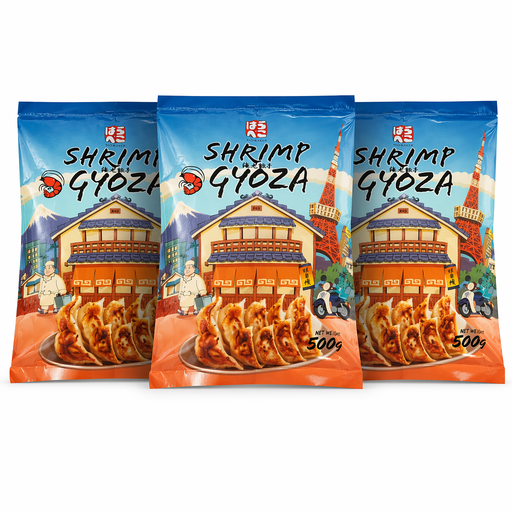
Why this fits the profile: The three 500 g bags suit regular eaters, families and those organising a party. You can keep some in reserve without opening the whole stock at once.
The product information states clear preparation without thawing. Always check the packaging and allergens though: the product contains, among other things, wheat and soya.
1.5 kg total, filled with prawns and vegetables, suitable for pan-frying, deep-frying or steaming according to the product description.
We’ve put together a full, up-to-date list of products that fully meet these strict selection criteria and comply with current European safety regulations.
Gyoza, dumplings and wontons are practical when you have a pan, steamer basket or pan of boiling water available. A product like KHY Chicken Gyoza can be prepared straight from the freezer according to the product information. For a snack without cooking, ambient options such as senbei, spicy sticks and certain sweet biscuits are more suitable.
Keep frozen dim sum at the temperature stated on the packaging, usually -18 °C or lower. The exact shelf life is given by the best-before date or other date marking on the product. After thawing, you must follow the instructions, keep the product chilled and not refreeze it.
For gyoza, a frying pan with a lid, a little oil and water is usually sufficient. For bao buns, siu mai and shrimp dumplings, a steamer basket is more convenient. Check the cooking time, preparation method and required temperature in advance. That way, you can choose Asian snacks that suit your kitchen and the time you have for your snack moment.
