
Vandaag of morgen in huis

Kwaliteit gegarandeerd

Welkomstaanbiedingen ontgrendelen: GRATIS bezorging | Tot 80% korting | Gratis 30 dagen JoyPlus-proefperiode
Download de app
When you buy Asian snacks and desserts online, you'll quickly come across unfamiliar ingredients, different textures and unclear portion sizes. A packet might look appealing, but that doesn't tell you much about the taste, allergens or how to store it. With a few simple checks, you can avoid a disappointing purchase and find something that suits your moment: with coffee, as a dessert, for guests, or as a stash for snacking in between.
Mochi, rice wafers and rice rolls all fall under Asian sweets, but they feel very different. Japanese mochi is usually soft and stretchy thanks to glutinous rice flour. Rice crackers, on the other hand, are crunchy. A dorayaki has a soft, cake-like exterior with a filling, whereas a Korean rice cake like tteok is more chewy and needs to be prepared.
So check whether the product is ready to eat or whether it needs to be steamed, heated or prepared first.
Flavours such as banana, honey, pandan and matcha can come from purée, powder, flavouring or a combination of these. For example, a matcha mochi won't just list matcha powder on the label, but also a filling that includes white beans, maltose and soya oil. Always check the ingredients list if the composition matters to you.
Pay attention to the net weight, the number of individual portions and the shelf life after opening. A 303g bag of rice crackers is practical for sharing, but an individually wrapped 80g cake is more convenient if you want to limit waste. For frozen products, you also need to consider how much space you have in your freezer and whether you have to prepare the whole product at once.
First, choose the type of eating occasion:
The MENGFU Charsiu Bao, for example, is a frozen product. According to the product information, the buns need to be steamed on a high heat for about 15 minutes and must not be refrozen once thawed. That's a different use case from a ready-to-eat snack.
Always check the actual packaging. Many products contain or may contain traces of wheat, gluten, soya, milk, egg, sesame, peanuts or nuts. Even if a product is described as suitable for a particular diet, you should cross-check this against the allergen information.
The A+ Hosan Sliced Rice Cake is described as gluten-free and suitable for vegetarians and vegans, but the allergen information provided also mentions fish, egg and sesame. That's a reason to rely on the packaging and full product information if you come across conflicting details.
Compare products per 100g. This makes it easier to see the difference between, say, a light rice cracker and a filled mochi. According to the product information, the Richy Sweet Rice Cracker contains 390 kcal and 18g of sugar per 100g. The Yuki & Love Matcha Mochi contains 384 kcal and 43g of sugar per 100g. That doesn't make the mochi unsuitable, but it does help you choose your portion and when to eat it more consciously.
Also look out for:
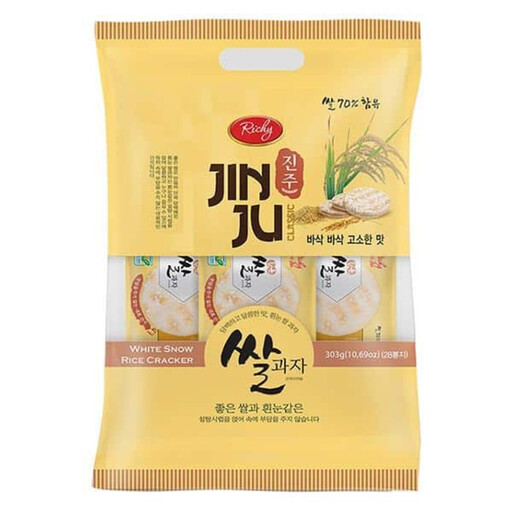
Why this fits the profile: This larger pack is suitable for sharing or trying out on different occasions. According to the product information, the crackers are ready to eat and go well with tea or coffee.
It's clear that the product is ready to eat. The nutritional values, ingredients and possible traces of soya, sesame and nuts are listed.
303g content; crunchy texture; ready to serve; ideal for sharing.
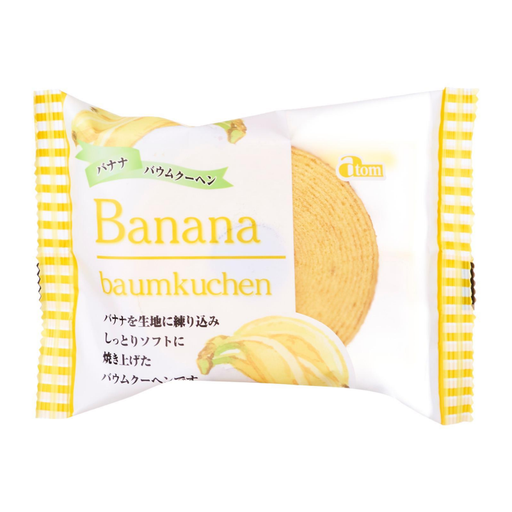
Why this fits the profile: The ring-shaped cake has thin layers and is individually wrapped. That makes it ideal for a quiet dessert moment or with a cup of tea.
The portion size and packaging are clearly stated. The ingredients list mentions wheat, egg and milk, among others, so you can check allergens in advance.
80g; individually wrapped; soft layered structure; banana flavour according to the product description.
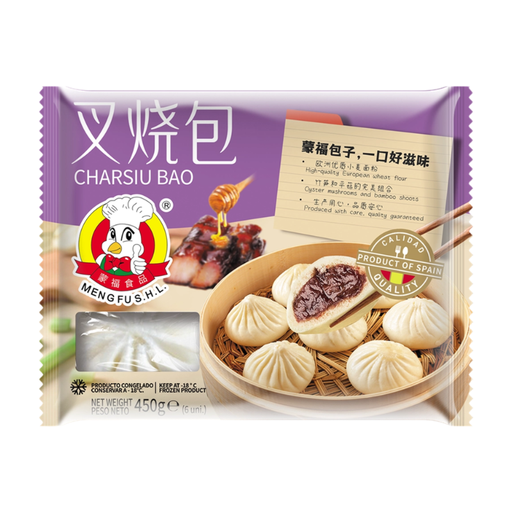
Why this fits the profile: These savoury buns are aimed at shoppers who want to use Asian snacks as a substantial snack or as part of a meal.
The preparation method and storage temperature are clear: store at -18 °C or lower and steam until the centre is piping hot.
450g; pork filling; suitable for steaming; clear allergen information for wheat, soya and molluscs.
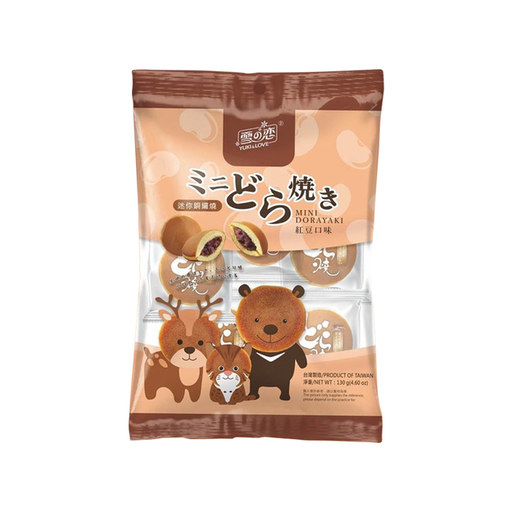
Why this fits the profile: Mini dorayaki with red beans are an easy introduction for anyone wanting to try a soft Japanese snack without buying a large selection straight away.
The mini size makes portions easy to manage. The product information lists wheat, egg and soya, plus possible traces of peanuts, milk, nuts and sesame.
130g; soft cake; red bean filling; individual size for work, study or on the go.
For fans of soft Asian desserts, there are also taro mochi and matcha mochi. According to the product information, the Yuki & Love Boba Mochi Rice Cake Taro Flavour contains a taro filling and is ready to eat. The Yuki & Love Mochi Rice Cake Matcha contains matcha powder and must be consumed immediately after opening.
If you'd prefer a Southeast Asian flavour, you could look at a pandan rice roll or coconut rice roll. These products contain Thai jasmine rice flour and coconut milk, among other ingredients. The coconut version lists sesame as an allergen; for the pandan version, check the actual packaging for the precise allergen information.
We've put together a full, up-to-date list of products that fully meet these strict selection criteria and comply with current European safety regulations.
Soft options such as Japanese banana cake, dorayaki with red beans and matcha mochi go well with coffee or tea. Rice crackers are a crunchy alternative. With sweet products, always check the portion size and sugar content per 100g.
Follow the packaging. Many long-life snacks should be stored in a cool, dry place away from direct sunlight. Mochi and rice rolls can change texture more quickly after opening. Char siu bao should be kept in the freezer at -18 °C or lower and must be steamed according to the product information.
That varies from product to product. Rice rolls can be made with coconut milk and rice flour, whereas dorayaki often contains egg and soya. Savoury products such as char siu bao contain meat. So always use the current ingredients and allergen list on the packaging before you order.
