
Vandaag of morgen in huis

Kwaliteit gegarandeerd

Welkomstaanbiedingen ontgrendelen: GRATIS bezorging | Tot 80% korting | Gratis 30 dagen JoyPlus-proefperiode
Download de app
If you’re looking to buy Asian snacks and dim sum, you’ll quickly come across a huge range: from Chinese snacks and bao buns to mochi, rice crackers and ready-to-eat dim sum. Yet a striking packet doesn’t tell you much about the taste, preparation or whether it’s right for your household. With these practical checks, you can compare products based on the information that really matters.
Words like “juicy”, “crispy” or “authentic” mainly describe the desired eating experience. So always check the ingredients list and the amount of the main ingredient. With a bao bun, the difference can be huge between a product with a generous meat or prawn filling and one that’s mostly dough.
Also look out for less predictable flavours. An avocado or yoghurt taste might sound interesting, but it won’t suit everyone. For a party, a mix of sweet Asian snacks and savoury bites is often more practical than several varieties with a strong, distinctive flavour.
Many frozen Asian products still need to be fully heated through. A steamed bun, siu mai or rice ball should not be eaten raw. So check the cooking method and the time required. Products that can go straight from the freezer into the steamer basket are usually easier to plan around.
A microwave instruction is handy, but check whether the product needs to be covered and whether the filling is piping hot all the way through. The packaging instructions are your best guide.
A large bag isn’t always good value if you only snack occasionally. Pay attention to the net weight, the number of portions and the shelf life after opening. A 2.5 kg pack might be fine for a gathering, but less practical for a small household. Individually wrapped snacks, on the other hand, are ideal for lunch, on the go or for stocking the cupboard.
For frozen products, the product information should state that they must be stored at -18 °C or below. Thawed products must not be refrozen according to the usage instructions provided. On delivery, check that the packaging is intact and that the product is still sufficiently frozen.
Common guidelines include:
Chinese snacks and other Asian bites often contain wheat, gluten, soya, sesame, milk, egg, peanuts and shellfish. Always read the allergen declaration, even if you know the brand. In composite products, soya can be present in soy sauce, oil or a flavouring.
Also check the nutritional values per 100 g. For example, Yuki & Love Azuki Bean Mochi contains 47 g of sugar per 100 g according to the product information, while WANT WANT Senbei lists 1.88 g of salt per 100 g. That doesn’t make these products unsuitable, but it does help you choose portions and combinations more consciously.
For breakfast or a light meal, savoury bao buns and siu mai work better than small sweet snacks. For afternoon tea, you might prefer mochi, Chinese desserts, pineapple cake or egg rolls. For drinks with friends, rice crackers and individually wrapped snacks are easy to serve.
The cooking method also affects the texture. Steaming keeps bao buns soft, while an oven or air fryer can give some snacks a drier or crispier exterior. Always follow the instructions on the packet.
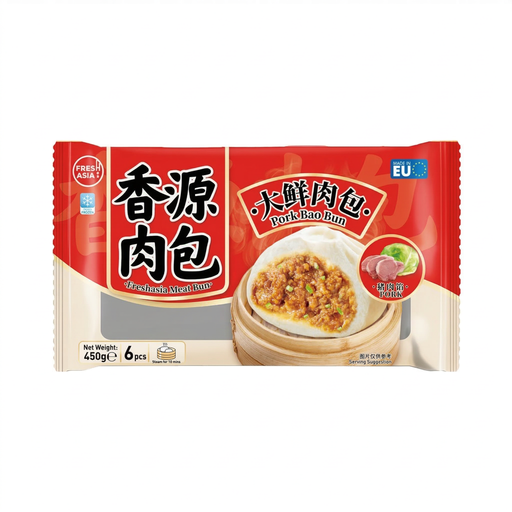
Why this suits the profile: This 450 g pack offers a simple introduction to savoury bao buns. The buns are frozen and designed to be steamed, for example for breakfast or a light meal.
The product information clearly states that the buns must not be eaten raw and must be fully steamed. The ingredients and allergens, including wheat, soya and sesame, are listed.
450 g net weight, filling with 21% pork according to the product information, and a cooking method that requires no complicated equipment.
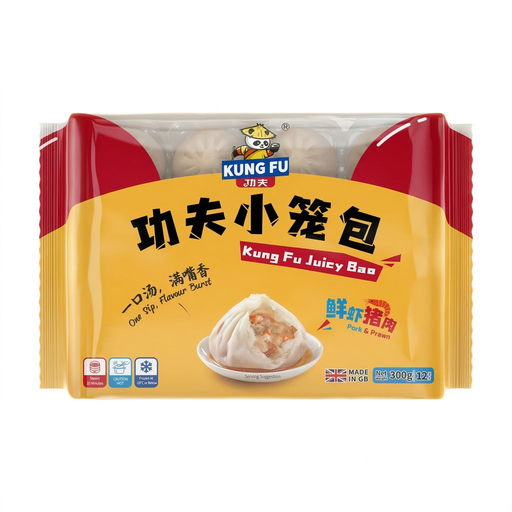
Why this suits the profile: The combination of pork, prawn pieces and broth makes this ideal for anyone looking for more variety in texture and flavour during a dim sum meal at home.
The product page gives a specific cooking method: steam from frozen for 8 to 10 minutes on high heat. Shellfish, milk, soya, wheat and sesame are listed as allergens.
300 g pack, at least 23% pork according to the product information, and visible prawn pieces for a different texture.
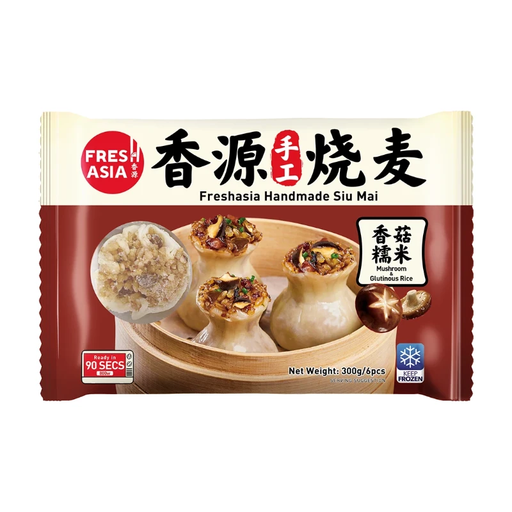
Why this suits the profile: These siu mai are ideal for a dim sum platter for several people. You can cook them in batches and serve with soy sauce, chilli oil or black vinegar.
The instructions give a cooking time of 10 to 15 minutes steaming from frozen. A microwave option for two to three pieces is also mentioned.
300 g pack, 6% mushroom according to the product information, and no need to defrost before cooking.
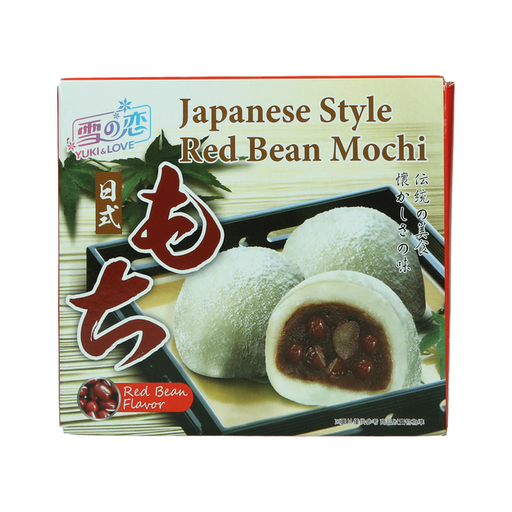
Why this suits the profile: This mochi is ready to eat and perfect for a small sweet break, afternoon tea or as an addition to Chinese desserts.
The pack is 140 g, so you don’t have to buy a large quantity straight away. The ingredients list includes red bean paste and soya as an allergen.
Chewy rice dough texture, 27% red bean filling according to the product information, and ready to serve straight away.
We’ve put together a full, up-to-date list of products that fully meet these strict selection criteria and comply with current European safety regulations.
Most bao buns, siu mai and steamed buns are cooked straight from the freezer in a steamer basket. Follow the cooking time on the packet and check that the filling is piping hot all the way through. Defrosting isn’t always necessary and can affect the texture.
This varies by product. Store frozen products at -18 °C or below, and keep dry snacks in a cool, dry place away from direct sunlight. Once opened, crispy snacks can go soft more quickly, so seal the packet well. The best-before date and storage instructions on the packet are your best guide.
Choose a combination of ready-to-eat dim sum and snacks that can be served straight away. Siu mai and bao buns work well as hot bites, while rice crackers, pineapple cake, mochi and egg rolls need little preparation. Check the allergens in advance and cook frozen products thoroughly according to the instructions.
