
Vandaag of morgen in huis

Kwaliteit gegarandeerd

Welkomstaanbiedingen ontgrendelen: GRATIS bezorging | Tot 80% korting | Gratis 30 dagen JoyPlus-proefperiode
Download de app
When you buy Asian sauces online, you quickly come across dozens of bottles, jars and flavourings in similar-looking packaging. Yet they can differ considerably in heat, salt content, ingredients, allergens and uses. For example, a chilli sauce for spring rolls serves a different purpose from oyster sauce for stir-fries or teriyaki sauce for a marinade.
The product information below is based on the listed ingredients, nutritional values and usage advice. Brand descriptions of flavour or authenticity are not independent findings. According to the brands’ own information, some sauces are suitable for particular cuisines or dietary preferences; always check the current label yourself.
Terms such as hot, extra hot and spicy do not correspond to a standard European measurement. One hot sauce may contain mainly vinegar and cayenne pepper, while another chilli sauce may also contain sugar, garlic or fermented ingredients. As a result, the same term on the packaging can describe a very different taste experience.
So check the order of the ingredients and start by using the sauce in a small quantity. A thin hot sauce such as Encona spreads quickly through a dish. A thick garlic chilli sauce, on the other hand, tends to remain more concentrated on the food.
A Chinese sauce, Thai sauce, Vietnamese sauce or Japanese sauce is not automatically suitable for every dish. Oyster sauce mainly adds savouriness to stir-fries, while hoisin sauce is often sweeter and works well in marinades, with noodles or as a dip. Fish sauce is highly concentrated and is usually used in small quantities.
First decide what you need the sauce for: stir-frying, marinating, dipping, building a curry or seasoning a meal.
Sauces can contain relatively high levels of salt and sugar. Maekrua Oyster Sauce, for example, lists 7.6 grams of salt per 100 grams. Mae Ploy Red Curry Paste contains 14.18 grams of salt per 100 grams. This does not mean you need to avoid such products, but the amount used in your recipe does make a difference.
Check the allergens every time you buy a sauce. Oyster sauce may contain shellfish, soya and wheat. Fish sauce contains fish. Satay sauce often contains peanuts and soya. Even if a product description says that a product is “gluten-free”, anyone with an allergy or intolerance should check the current packaging.
Use this practical guide:
A sauce in a larger bottle is not automatically better value. Only buy 600 ml of oyster sauce if you use it regularly. For occasional meals, a smaller bottle can help prevent waste.
Sweet chilli sauce and teriyaki sauce often contain sugar to create their characteristic sweet and savoury flavour. Also consider the consistency:
A thick sauce clings more effectively to vegetables, tofu or meat. A thin sauce spreads more quickly, but it can also make a dish too salty more easily.
Ingredients are listed in descending order by weight. If sugar or salt appears near the top of the list, it makes up a significant part of the recipe. Also check the origin if you are looking for a particular regional flavour. CHINSU Chili Sauce lists Vietnam as its country of production. LEE KUM KEE Minced Garlic Sauce lists China. This may help with your choice, but origin alone does not guarantee a particular flavour.
Some sauces need to be refrigerated after opening. Always follow the label. Several products state that the bottle or jar should be kept sealed and refrigerated after opening. Do not use damaged packaging and check the best-before date.
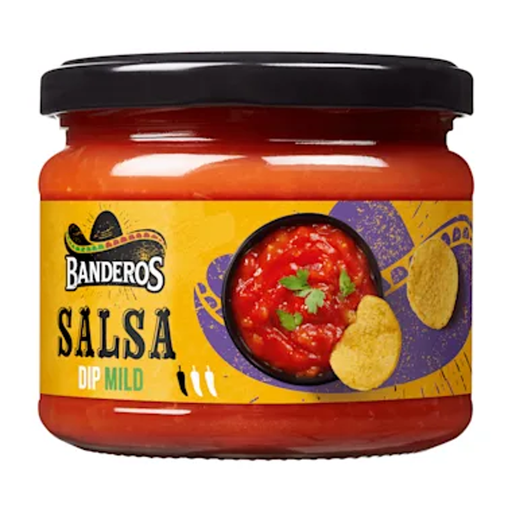
Why it suits this profile: A mild tomato salsa is an accessible choice for anyone who wants to try different dips without going straight for a powerful hot sauce. Ideal with tortilla chips, vegetables and snacks.
The product information describes a mild flavour and clearly states that it is intended as a dip. This makes your choice less dependent on vague terms such as “spicy”.
300 grams, 31% tomato and, according to the product information, none of the 14 major EU allergens.
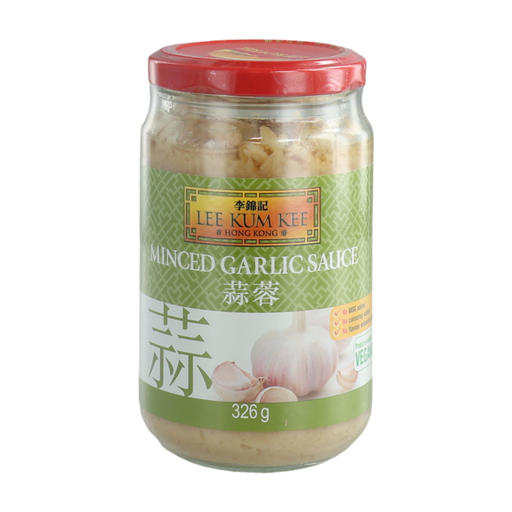
Why it suits this profile: Home cooks looking for one jar with multiple uses can serve this sauce with stir-fries, noodles, tofu and dumplings, or use it in marinades and as a dipping sauce.
The product description lists specific uses and states that it contains 25% garlic. You can adjust the heat to suit each dish instead of blindly using a large quantity.
326 grams, ready to use and suitable for dipping, stir-frying and marinating.
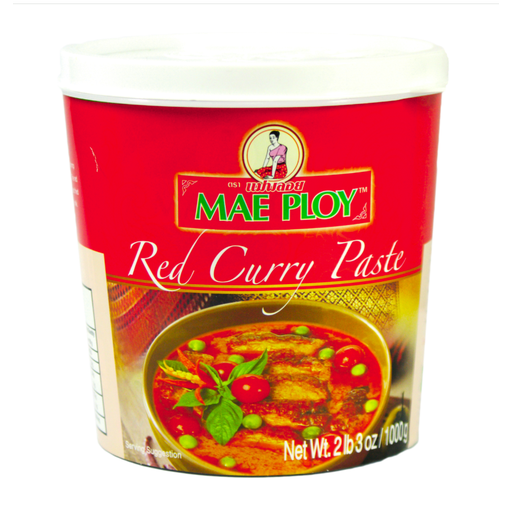
Why it suits this profile: This large pack is ideal for households that often make Thai curry, soups or marinades and want to keep a concentrated base in the cupboard.
The ingredients include red chilli, garlic, lemongrass, galangal and shrimp paste. You therefore know in advance that this is neither a neutral nor a vegetarian curry base.
1 kg of product, suitable as a base for curries, soups and marinades; contains shellfish.
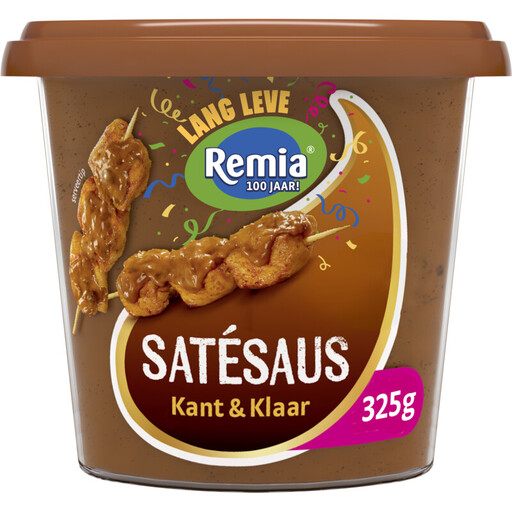
Why it suits this profile: According to the product information, this ready-made satay sauce is 100% plant-based and suitable for vegetarians and vegans. You can serve it with tofu, chips, barbecued dishes or rice.
The product description explicitly states its plant-based composition and allergens. Check this again on the packaging when you buy it.
325 grams, ready to use and, according to the product information, gluten-free and plant-based; it does contain peanuts, soya and lupin.
For a Japanese flavour, consider Obento Teriyaki Marinade or Amoy Japanese Teriyaki Sauce. If you are looking for a Vietnamese chilli sauce, compare CHINSU Chili Sauce with ABC Original Chilli Sauce. For a seriously hot sauce, Encona Hot Pepper Sauce and Encona Hotsauce Cajun are options with cayenne pepper and vinegar as key ingredients.
A fish sauce such as Maeboonlam is intended to add savouriness and contains fish. Healthy Boy Hoisin Sauce contains soya and wheat and works well with Chinese dishes, noodles and dips. For a creamy garlic sauce, Remia Garlic Sauce is a different category from chilli sauce: it contains ingredients including milk, egg and mustard.
We have put together a complete, up-to-date list of products that fully meet these strict selection criteria and the applicable European safety regulations.
It depends on the flavour you want. Oyster sauce provides a savoury base, hoisin sauce adds extra sweetness, and garlic chilli sauce brings heat and aroma. Always add small amounts and taste as you go.
This varies from product to product. Store opened sauces according to the label, often tightly sealed in the fridge. Pay attention to the smell, colour, texture and the stated period after opening. Do not use a product if the packaging is bulging or damaged.
For tortilla chips, mild or hot salsa dip and sweet chilli sauce are practical choices. Chilli sauce, garlic sauce or hot sauce work well with spring rolls and dumplings. Satay sauce is delicious with chicken, tofu, chips and barbecued dishes. If you have allergies, always check the ingredients and allergens on the current label.
