
Vandaag of morgen in huis

Kwaliteit gegarandeerd

Welkomstaanbiedingen ontgrendelen: GRATIS bezorging | Tot 80% korting | Gratis 30 dagen JoyPlus-proefperiode
Download de app
Are you looking to buy Asian sauces, but not sure which bottle suits your cooking? The range stretches from oyster sauce and gochujang to teriyaki sauce, hoisin sauce and ready-to-use stir-fry sauce. An attractive label doesn’t always tell the full story. It’s the salt content, portion size and intended use that really determine whether a sauce is practical in your kitchen.
With this buying guide, you can compare sauces based on verifiable information. That way, you’ll avoid a bad purchase and choose the right Chinese, Korean, Thai or Japanese flavourings with confidence.
A 600 to 900 gram bottle can be handy for families or frequent stir-fry meals. If you only use a sauce occasionally, a smaller pack might be wiser. Also check the storage instructions: some products need to be refrigerated after opening.
Flavour descriptions aren’t a fixed measure. So look at the ingredients, the proportion of a main ingredient and the nutritional information. With oyster sauce, for example, the percentage of oyster extract can vary. With gochujang, red pepper, grains, soya and sweeteners are among the relevant ingredients.
According to a brand’s own research, a product may offer a particular taste or preparation method. That’s a brand claim, not a universal guarantee. Use the product information and label as your starting point.
Many Chinese sauces, Korean sauces and Japanese sauces contain soya and wheat. Sesame, mustard, shellfish or gluten can also be present. Check the allergens before you order, especially if several family members will be eating.
Sauces are often used in small amounts, but can be relatively high in salt or sugar. Compare the values per 100 grams and also look at the amount you actually add. A sauce with 10 grams per portion has a different impact from the same sauce poured generously over a dish.
For example: the Lee Kum Kee Panda Brand Oyster Sauce 907 gram states 9.1 grams of salt per 100 grams. The smaller Lee Kum Kee Panda Oyster Sauce 255 gram states 29.5 grams of salt per 100 grams. That big difference makes it important to always check the label of the pack you choose.
Not every sauce works the same way:
Also check whether the sauce is ready to eat or needs to be heated. A ready-to-use sauce is convenient, while a concentrated paste gives you more control over how much you use.
Pay attention to the net weight, closure and storage advice. A 570 gram pot of gochujang makes sense for someone who cooks Korean food weekly. For occasional use, a smaller pack can reduce waste. After opening, note the date on the pack and always follow the instructions on the label.
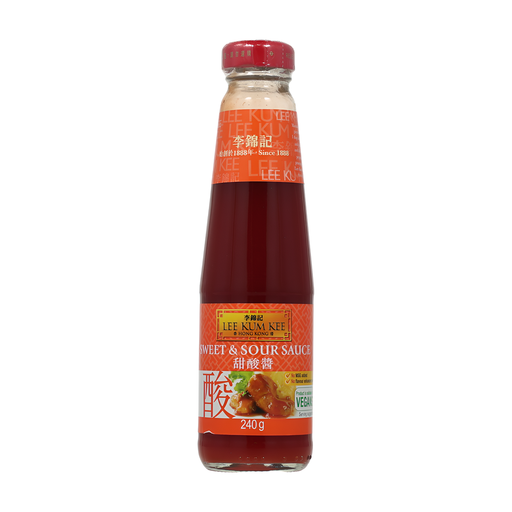
Why this suits the profile: The compact bottle is ideal for anyone wanting to try sweet and sour sauce without buying a large supply straight away. Use it in stir-fries, as a dip or as a glaze.
The 240 gram pack reduces the risk of waste with occasional use. The product description clearly states the sauce is ready to use.
Ready to use; suitable for cooking, dipping and glazing; refrigerate after opening.
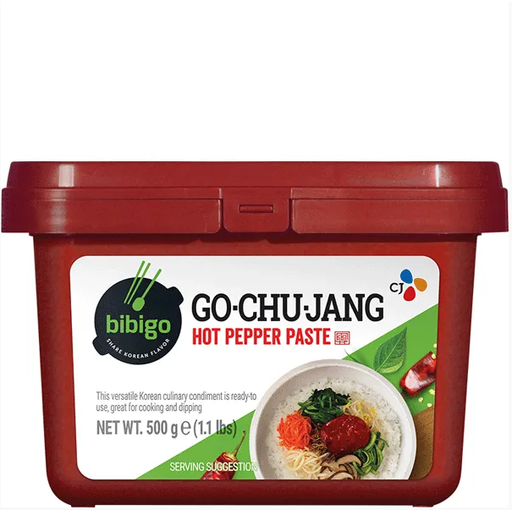
Why this suits the profile: This Korean chilli paste is ideal for home cooks looking for multiple uses in one product, from bibimbap and tteokbokki to marinades, noodles and dips.
The product information clearly states the intended use and allergens. This means you can check in advance whether wheat and soya fit your diet.
570 grams; vegan according to the product information; 4.5 grams of salt per 100 grams; suitable for both cooking and serving.
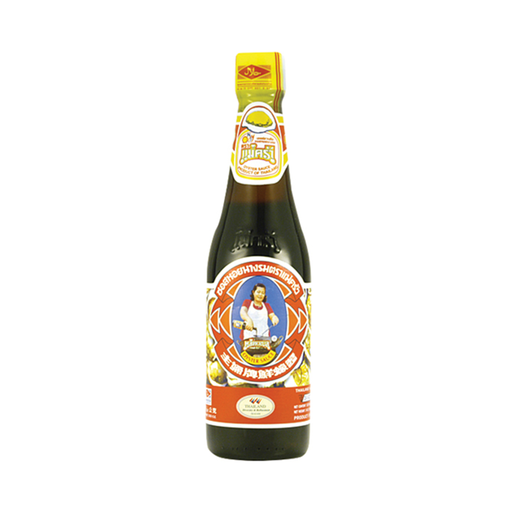
Why this suits the profile: The 600 ml bottle is ideal for frequent users who regularly cook Thai or other South-East Asian stir-fries.
The ingredients list states 30% oyster extract and lists soya and wheat as allergens. This lets you compare flavour expectations and dietary needs in advance.
Large pack; 30% oyster extract according to the ingredients list; suitable for stir-frying, marinating and dipping.
We’ve put together a full, up-to-date list of products that fully meet these strict selection criteria and comply with current European safety regulations.
With all products, watch out for wheat, soya, sesame, mustard and shellfish. The European allergen declaration on the pack is the definitive guide.
A ready-to-use sweet and sour sauce or teriyaki sauce is easy to measure and can be used straight away. You can first mix the sauce with a small amount of your dish and then add more to taste.
This varies by product. Some sauces need to be refrigerated after opening, while others just require cool, dry storage. Always check the label and shelf-life information on the specific pack.
Oyster sauce, hoisin sauce, black bean sauce and stir-fry sauce are practical options. Add a small amount during or towards the end of cooking and taste before adding extra salt or soya sauce.
