
Vandaag of morgen in huis

Kwaliteit gegarandeerd

Welkomstaanbiedingen ontgrendelen: GRATIS bezorging | Tot 80% korting | Gratis 30 dagen JoyPlus-proefperiode
Download de app
If you’re looking to buy Asian sauces, you’ll quickly come across dozens of bottles, jars and flavour pastes with similar packaging. Yet Chinese sauces, Thai sauces, soy sauce and chilli sauce differ greatly in taste, composition, size and use. Choosing the wrong one can lead to an overly salty stir-fry sauce, a cloyingly sweet marinade, or a large bottle that sits slowly in the fridge after opening.
This practical guide will show you what to look for before you order.
A brand name or a reference to a region is no guarantee that a sauce will suit your dish perfectly. Always check the ingredients list, the country of origin and the recommended use. Hoisin sauce, for example, is usually sweet and spicy, while light soy sauce is mainly salty and umami.
Terms like “authentic taste” are often just marketing language. According to information from the brands themselves, traditional production methods or recipes may be used, but the final flavour also depends on the ingredients, fermentation, and sugar and salt content.
A 1.75-litre bottle might seem economical for daily use, but it’s less practical if you only stir-fry occasionally. Pay attention to the net volume and the storage instructions after opening. Many sauces need to be refrigerated once opened. With a large pack, it’s therefore important that you use the sauce regularly and dispense it cleanly.
Sweet chilli sauce is not the same as sambal or a hot chilli sauce. Sweet chilli sauce often contains a lot of sugar and works well as a dip or marinade. Tabasco and other hot sauces are usually more acidic and are added in small amounts. Soy sauce and oyster sauce often contain relatively high levels of salt. So taste first before adding extra salt to a dish.
Always check the current packaging. Many Asian seasonings contain soya, wheat or sesame. Curry paste can also contain shellfish. Mae Ploy Panang Curry Paste, for example, lists prawns as an ingredient and is therefore not suitable for anyone with a shellfish allergy.
Also look out for possible cross-contamination. Tan Tan Xiang chilli sauce states that due to shared production lines, the product may contain celery, mustard and sesame. The product information on the packaging is definitive.
Compare the nutritional values per 100 grams or 100 millilitres. Here are a few examples from the available product information:
These figures don’t automatically determine whether a sauce is suitable, but they do help you use the right amount.
Choose the sauce based on the dish:
Follow the manufacturer’s storage instructions. Many opened products need to be kept refrigerated. Also check the best-before date on the label, as this can vary from batch to batch.
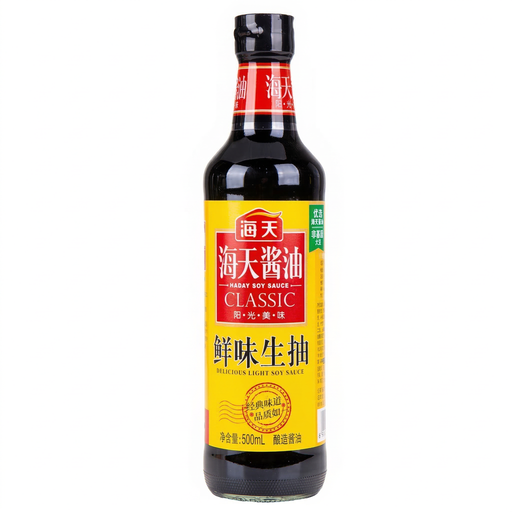
Why this suits the profile: A medium-sized bottle for everyday use in stir-fries, marinades, dips and cold dishes.
The 500 ml volume reduces the chance of unnecessary stock if you only use it occasionally. The ingredients and allergens are clearly stated.
500 ml content; suitable for stir-frying, marinating, dipping and cold salads; contains soya and wheat.
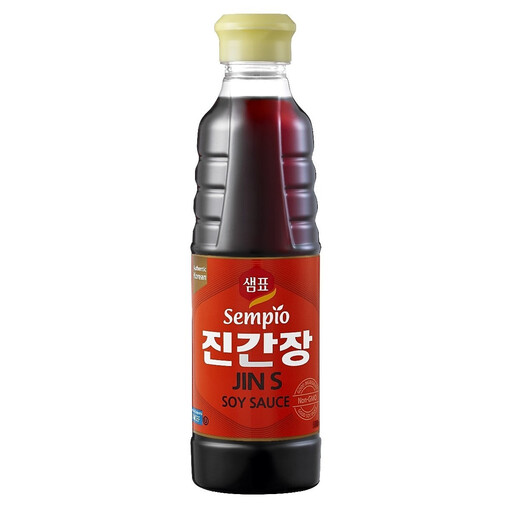
Why this suits the profile: A Korean soy sauce for home cooks who want to build layers of flavour in marinades, stir-fries and dips.
The product information provides specific uses, ingredients and a salt value of 13.45 grams per 100 ml.
500 ml content; suitable for marinades, stir-fries and dips; contains soya and wheat according to the product information.
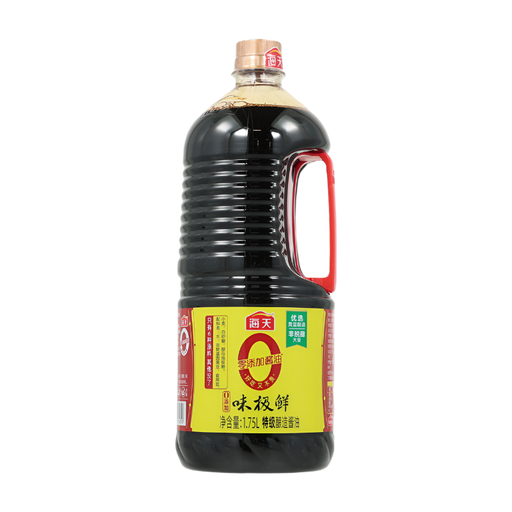
Why this suits the profile: Aimed at households, caterers and kitchens where a lot of soy sauce is used every day.
The large pack only makes sense with regular use. This means you avoid having multiple small bottles for the same preparations.
1.75 litre content; according to the product description, free from artificial colours, preservatives or flavour enhancers; contains soya and wheat.
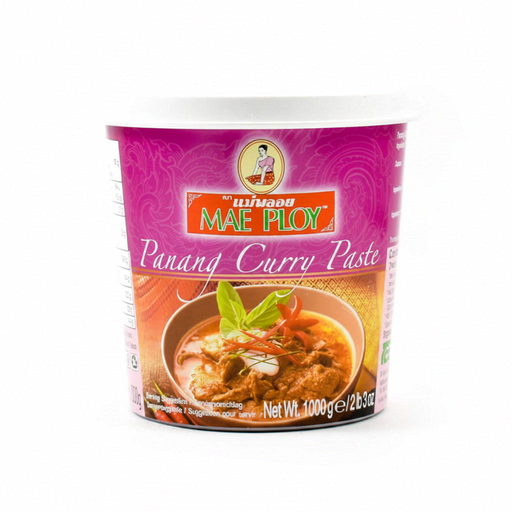
Why this suits the profile: A practical base for a Panang curry without having to buy individual herbs and spices separately.
The preparation method gives a fixed ratio: 50 grams of paste, 400 grams of coconut milk and 200 grams of filling. The paste can be refrigerated after opening.
400 gram content; suitable for meat, fish, tofu and vegetables; contains prawns.
We’ve put together a full, up-to-date list of products that fully meet these strict selection criteria and comply with current European safety regulations.
A bottle of light soy sauce around 500 ml is versatile. You can use it in stir-fries, marinades, dips and cold salads. Do check the salt content and the presence of soya and wheat.
Always follow the label. Many sauces need to be refrigerated after opening and kept tightly sealed. Use a clean spoon or dispensing cap to limit contamination. The shelf life after opening varies from product to product.
Sweet chilli sauce combines sweetness with mild heat and is often used as a dip. Sambal and other hot sauces are usually more intense and are added in smaller amounts. According to the product information, Tabasco Red Pepper Sauce is made from vinegar, red pepper and salt, and is intended to be used a few drops at a time.
