
Livraison le jour même et le lendemain

Qualité garantie

Débloquez vos offres de bienvenue: Livraison GRATUITE | Jusqu'à -80 % | 30 jours d'essai gratuits à JoyPlus
Téléchargez l'application
If you want to buy Asian rice, you’ll soon come across dozens of bags labelled “fragrant”, “AAA”, “premium” and “authentic”. These terms do not always tell you enough about the result in the pan. The right choice mainly depends on the type of rice, grain structure, packaging and cooking method.
A bag of jasmine rice, for example, is suitable for curries or stir-fries, but not automatically for sushi. Sticky rice has a completely different texture from basmati rice. Use the checks below to avoid a disappointing purchase and choose a pack size that suits your household, restaurant or catering business.
“Thai rice”, “Chinese rice” and “Vietnamese rice” often refer to the origin, cuisine or product positioning. So always check the specific type:
A product name alone is therefore not enough. Look for ingredients such as “100% jasmine rice”, “short-grain rice”, “sticky rice” or “100% parboiled basmati rice”.
10 kg rice, 20 kg rice or another large rice pack can be useful for families and food-service businesses. However, a large bag is only practical if you use enough rice and can store it somewhere dry. Once opened, the packaging should be sealed properly and kept in a cool, dry place away from sunlight, heat and moisture.
For a smaller household, 1 kg rice is often easier to manage. 5 kg rice offers a middle ground for regular home cooks. Also check the weight in both the product title and on the packaging. Some online listings may show different weights in the title, description or images. Always check the current product information before ordering.
Terms such as “AAA”, “premium” and “Golden” are not the same as a legal quality standard that automatically guarantees a particular cooking result. Instead, assess information that can be checked:
A brand’s own research may describe a particular rice as especially aromatic or fluffy, for example. Treat this as a brand claim rather than an established result. The cooking method, rice-to-water ratio and resting time also affect the texture.
For separate grains with curry or grilled meat, long-grain varieties such as jasmine rice, pandan rice or basmati rice are usually a good fit. Sushi rice and sticky rice, on the other hand, are selected for their ability to hold together. So do not use just any Thai rice for sushi, and do not expect basmati to become as sticky as sushi rice.
With basmati rice, “parboiled” or “Golden Sella” may indicate that the rice has been partially steamed. The PRESIDENT Basmati Rice Golden Sella is described in the product information as 100% parboiled basmati rice. The product page contains several references to different weights, so check the current net weight before completing your purchase.
Choose 1 kg for limited or occasional use, 5 kg for a family or regular home cook, and 10 to 20 kg for intensive use. An 18 or 20 kg bag makes most sense when you use the rice quickly enough and can store it in an airtight food container.
Always follow the instructions on the packaging. Some products recommend washing the rice, while others specify a particular rice-to-water ratio. The information on the label takes precedence if it differs from an online product description.
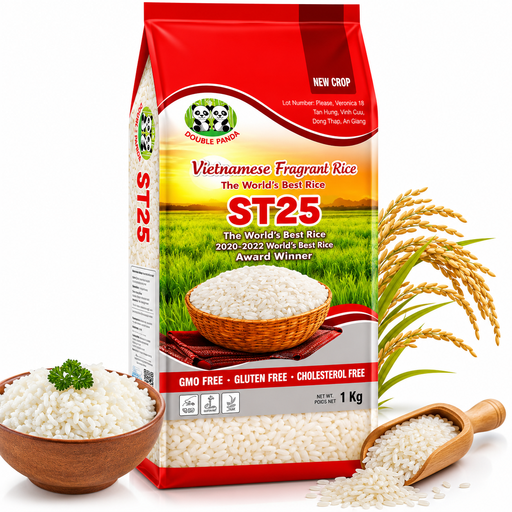
Why it suits this profile: The 1 kg pack is a manageable choice if you want to try Vietnamese rice without immediately buying a large bulk pack. The product information describes ST25 fragrant rice with long grains for rice bowls, side dishes and fried rice.
The product specifies the rice variety, Vietnamese origin, ingredients and cooking methods, so you do not have to rely solely on a general marketing term.
1 kg; 100% ST25 fragrant rice according to the product information; suitable for rice cookers, steaming and boiling.
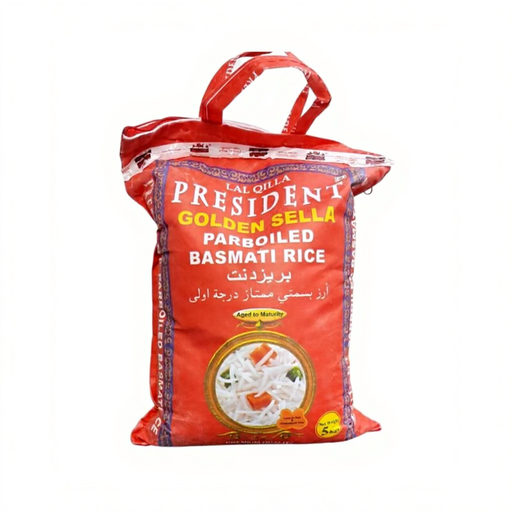
Why it suits this profile: This basmati rice is a good choice for dishes where long grains and a less sticky texture are preferred, such as biryani and pilaf.
The product description explicitly states that it is 100% parboiled basmati rice. However, check the current weight on the packaging, as the online description mentions multiple sizes.
Long basmati grains; parboiled according to the product information; medium-sized pack for regular use.
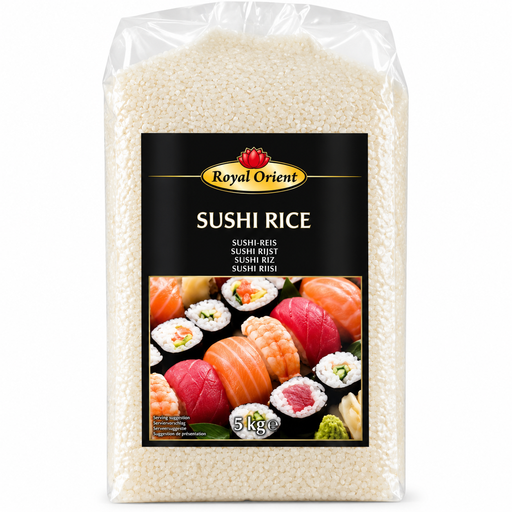
Why it suits this profile: A 5 kg pack is practical for home cooks who regularly make sushi, onigiri or poke bowls, as well as for smaller commercial kitchens.
The product category and ingredients specify sushi rice. This makes its intended use clearer than that of a general long-grain rice.
5 kg; intended for sushi; instructions on the packaging; no allergens listed in the product information.
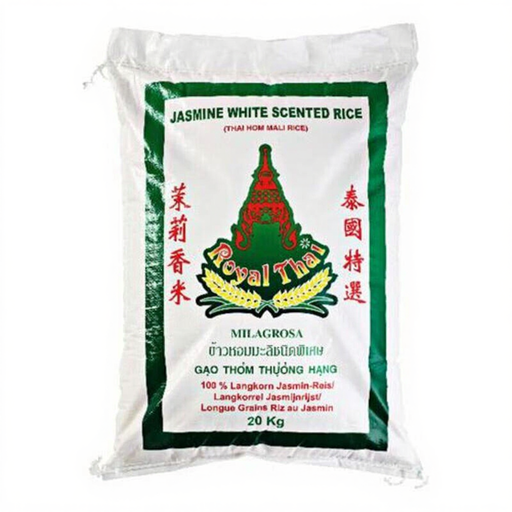
Why it suits this profile: The 20 kg pack is designed for restaurants, catering businesses, large families and other users who regularly prepare Thai rice.
The product specifies the type of rice, Thai origin, weight and intended use. This helps you match a bulk pack to your actual consumption.
20 kg; Thai fragrant long-grain rice according to the product description; suitable for everyday meals and catering.
We have put together a complete, up-to-date list of products that fully meet these strict selection criteria and the applicable European safety regulations.
Preferably store an opened bag in a well-sealed food container. You may wish to note the date on which you opened the bag. This helps limit exposure to moisture and kitchen odours. Do not use a product if its packaging is damaged, and check the best-before information on the packaging.
Wash rice when the cooking instructions recommend it. With sushi rice, thorough rinsing is often part of the preparation; follow the label for the exact ratio and resting time. Depending on the recipe, sticky rice may need to be soaked first and then steamed. Water ratios vary by brand and type for jasmine and basmati rice.
For everyday meals, jasmine rice, pandan rice and basmati rice are practical choices. Jasmine rice works well with Thai curries and stir-fries. Basmati rice is often used in Indian and South Asian meals. Above all, consider the texture you want and the cooking instructions.
That depends on the price per kilogram and how much rice you use. A 5 kg bag can be practical if you eat rice several times a week. For occasional use, 1 kg is easier to finish and store. Always compare both the total price and the price per kilogram.
Unopened rice can be stored until the date shown on the packaging, provided it is kept in a cool, dry place. Once opened, quality is most predictable when you seal the bag properly and protect it from moisture, heat and direct sunlight. Always check the smell, appearance and packaging before use.
