
Livraison le jour même et le lendemain

Qualité garantie

Débloquez vos offres de bienvenue: Livraison GRATUITE | Jusqu'à -80 % | 30 jours d'essai gratuits à JoyPlus
Téléchargez l'application
Buying Asian rice seems simple until you are standing in front of a shop shelf or online store filled with jasmine rice, sushi rice, sticky rice and varieties from Thailand, Vietnam and Cambodia. Packaging often uses words such as “premium”, “AAA” or “authentic”, but these terms do not always tell you how the rice will perform in your kitchen.
The most important question is therefore not which packet looks most appealing, but which type of rice suits your dish, cooking method and consumption. With the right checks, you can avoid a disappointing purchase, sticky grains with a curry or rice that falls apart when making sushi.
Thai Hom Mali rice, Cambodian rice and Vietnamese rice are not automatically the same. Each country has different varieties, grain shapes and quality grades. So check the label for the specific description, such as jasmine rice, ST25, Japonica or glutinous rice.
A geographical name can tell you something about the origin, but not necessarily about the cooking properties. Vietnamese long-grain rice behaves differently from Japanese short-grain rice.
Jasmine rice becomes soft and slightly sticky after cooking, but it is not glutinous rice. Glutinous rice, also known as sticky rice, has a much stronger binding texture and is often steamed or soaked. For sushi, you need a specific short-grain rice that can be shaped properly.
If you confuse these types, you may buy a bag that is not suitable for the recipe you have in mind.
A 4.5, 18 or 20 kg bag of rice can be practical for families, meal preparation or catering. For occasional use, however, such a bag takes up a lot of storage space and its aroma may gradually fade after opening. So check the price per kilogram, the best-before date and whether you can store the packaging airtight.
Jasmine rice is recognisable by its fragrant grains and soft texture. According to the product information for Royal Umbrella and Red Dragon, among others, their jasmine rice is intended for dishes such as curries, stir-fries and rice bowls. Treat this as a product specification rather than a guarantee of identical results in every kitchen.
Check whether the packaging states 100% rice or whether other ingredients have been added. Rice noodles, for example, may contain tapioca. According to the product information, Bamboo Tree Rice Noodles contains rice, tapioca and water. The rice vermicelli from the same brand also contains salt.
With composite rice products, such as rice noodles, rice flour, rice cakes or Korean tteokbokki rice cakes, it is especially important to read the ingredients list and allergen information. Even if a product is described as gluten-free, it is still sensible to check the current label for warnings about cross-contamination.
Follow the proportions given on the packaging. The amount of water required varies depending on the type, brand, pan and rice cooker. Sushi rice is usually rinsed several times and needs to rest after cooking. Glutinous rice is often soaked first and then steamed. Rice vermicelli generally requires a much shorter preparation time than ordinary rice.
Store opened rice in a dry, cool place, protected from moisture, heat and strong smells. An airtight storage container is practical for large bags. When buying online, always check the product photo, ingredients, net contents and best-before information on the actual packaging.
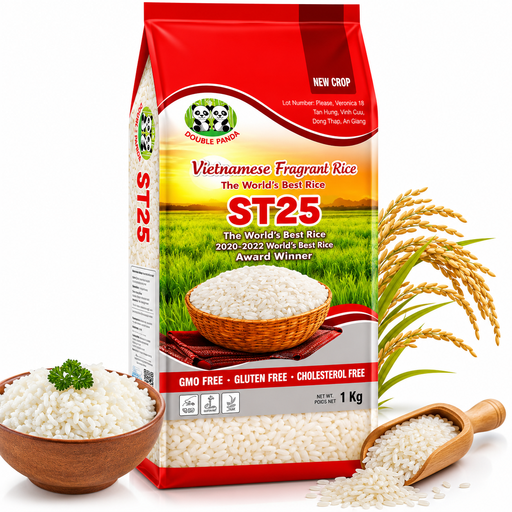
Why it suits this profile: The 1 kg pack is a manageable choice if you want to try Vietnamese rice without immediately building up a large stock. The long-grain ST25 rice is suitable for rice bowls, side dishes and a range of Asian meals.
The rice type, origin, grain shape and contents are clearly stated. This means you do not have to rely on marketing terms alone.
1 kg pack; 100% Vietnamese ST25 fragrant rice; suitable for rice cookers, steaming and boiling.
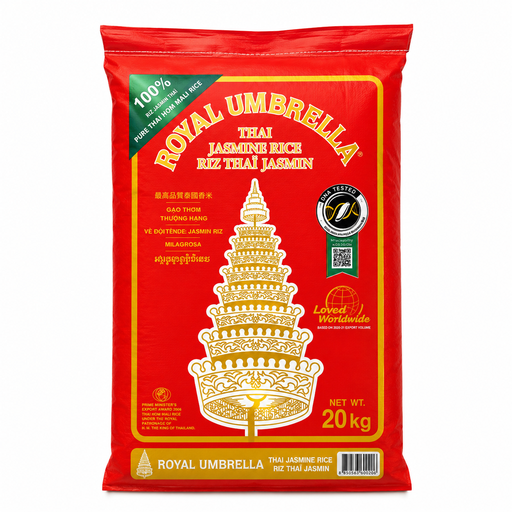
Why it suits this profile: This large pack is designed for frequent use. The product information states 100% Thai Hom Mali Jasmine Rice, originating from Thailand, making it suitable for Thai dishes and everyday rice meals.
The name specifies the exact type and origin. You can also assess in advance whether 20 kg suits your consumption and available storage space.
20 kg contents; Thai origin; 100% Hom Mali jasmine rice according to the product description.
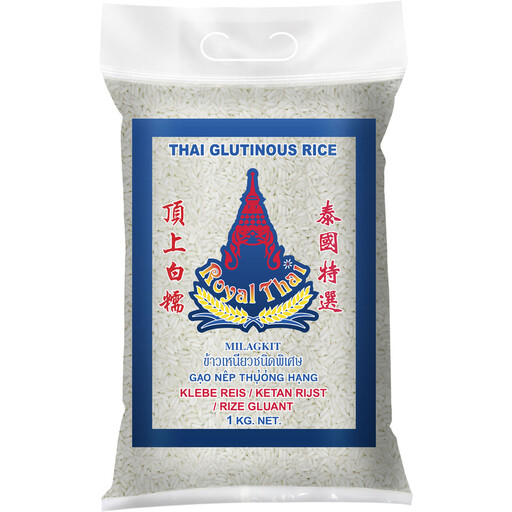
Why it suits this profile: If you are specifically looking for glutinous rice for Thai dishes, desserts or rice-based preparations, this clearly specified 1 kg option is a practical choice.
The product name makes it clear that this is glutinous rice. This prevents it from being bought accidentally as ordinary jasmine rice.
1 kg pack; intended as sticky rice; product information states that it is naturally gluten-free.
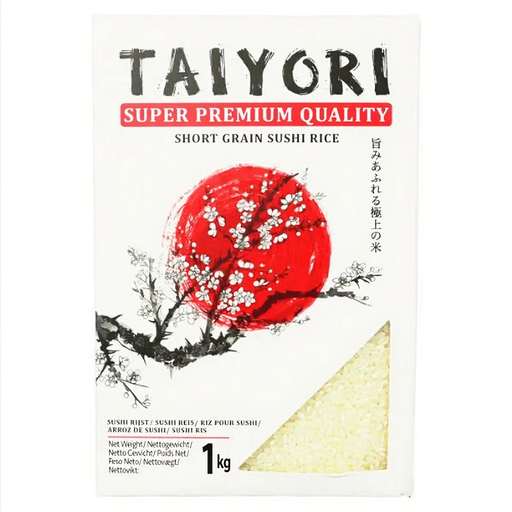
Why it suits this profile: The short, round grains and described stickiness are designed for sushi, onigiri and Japanese rice dishes.
The packaging specifically identifies it as sushi rice. This makes the difference from long-grain jasmine rice clearer when comparing products.
1 kg box; short grain; suitable for sushi and onigiri according to the product information.
We have put together a complete, up-to-date list of products that fully meet these strict selection criteria and the applicable European safety regulations.
Alongside loose rice, there are products for specific dishes and quick meals:
Jasmine rice works well with many Thai and South-East Asian curries thanks to its soft, fragrant long grains. Thai Hom Mali rice is a specific variety. Basmati rice can also be suitable for Indian curries, as it generally cooks up looser and drier. Always check the cooking instructions for the brand you choose.
Sushi rice is usually a short-grain Japonica rice that becomes cohesive after cooking. Glutinous rice has an even stickier texture and is often soaked and steamed. They are therefore not automatically interchangeable.
The unopened shelf life is stated on the packaging. Once opened, dry rice will generally keep for longer if stored somewhere cool and dry in an airtight container. With large bags, it is advisable to transfer the rice straight into smaller airtight storage containers and check for moisture, damage or an unusual smell before use.
