
Vandaag of morgen in huis

Kwaliteit gegarandeerd

Welkomstaanbiedingen ontgrendelen: GRATIS bezorging | Tot 80% korting | Gratis 30 dagen JoyPlus-proefperiode
Download de app
Ordering Asian groceries online is convenient, but the range varies greatly from product to product. A packet might present itself as “authentic”, while the ingredients list is mostly salt, sugar or flavour enhancers. Portion size, allergens and storage instructions are also not always immediately clear.
If you want to buy Asian products online, it’s a good idea to start by looking at verifiable product information. This applies whether you’re shopping at an online Asian supermarket or a broad platform offering Japanese products, Korean products, Thai products and Indonesian sauces.
Words like “authentic”, “traditional” or “premium” are no substitute for an ingredients list. Instead, compare:
With oyster sauce, for example, the proportion of oyster extract can be relevant. The Maekrua Oyster Sauce 600 ml states 30% oyster extract and also contains soy sauce, sugar and salt. That gives you more to go on than just the name on the front.
A 55 g packet of instant noodles is not the same as a family pack of udon noodles containing six 200 g portions. Always check the net weight, the number of servings and the nutritional values per 100 grams.
The nutritional information for Mama Instant Noodles Shrimp Creamy 55 g lists, among other things, 14.8 grams of salt per 100 grams. That’s a concrete fact to consider when you’re buying instant noodles as a snack or quick meal.
Gyoza, onigiri, tteokbokki rice cakes and other frozen Asian products must stay frozen until use. Check:
A delivery time when you’re not at home can therefore have practical consequences for frozen products.
Don’t just read the allergens in bold text; also read the full ingredients list. Many Asian products contain wheat, soya, fish, shellfish, milk, egg, mustard, peanuts or sesame.
Khy Chicken Gyoza 500 g lists wheat and soya among its ingredients. The filling contains chicken, cabbage, onion, ginger and soy sauce. For anyone with an allergy, the official label is the definitive source, because product compositions can change.
Also look out for warnings such as “may contain traces”. The product page and packaging may contain additional information, so check the packaging when you receive it.
A product is only practical if the preparation method suits your kitchen and schedule. Examples:
A large bottle of soy sauce or oyster sauce is good value per millilitre if you cook often, but less practical if you only make an Asian dish occasionally. Healthy Boy Thin Soy Sauce 700 ml is intended for stir-fries, soups, marinades and dipping sauces. The listed ingredients contain soya and wheat.
For a smaller household, portion packs or snacks may be more convenient. Think of Koh-Kae Coated Peanuts Coconut Cream 110 g, a resealable snack pack containing peanuts and wheat, or a single 100 g portion of onigiri.

Why this fits the profile: A single portion with a short preparation time is ideal for trying a new Thai flavour without building up a large stock.
The packaging states a 55 g portion and a preparation time of around 3 to 4 minutes with hot water. So the quantity is clear from the start.
55 g per pack, quick preparation and clear allergen labelling for wheat, soya, milk and shellfish.
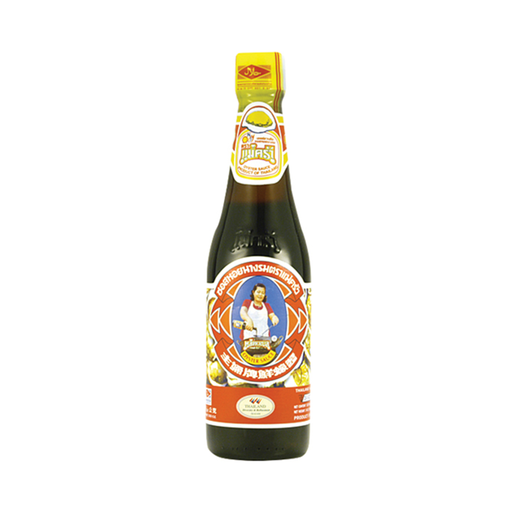
Why this fits the profile: For home cooks who regularly make stir-fries, marinades or sauces and want to check the composition beforehand.
The product information states 30% oyster extract, plus the allergens soya and wheat. So you can compare the flavour base on ingredients rather than marketing language.
600 ml content, suitable for multiple uses and a verifiable ingredients list with oyster extract.
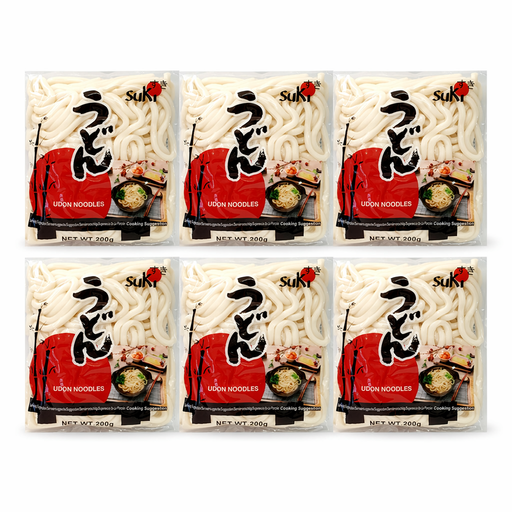
Why this fits the profile: A stock of six packs suits households that regularly make noodle soup, stir-fries or hotpot.
The pack size and preparation options are clearly stated. According to the product description, rinsing before cooking helps with the recommended preparation.
Six packs of 200 g, suitable for three types of dishes and with clear wheat allergen labelling.
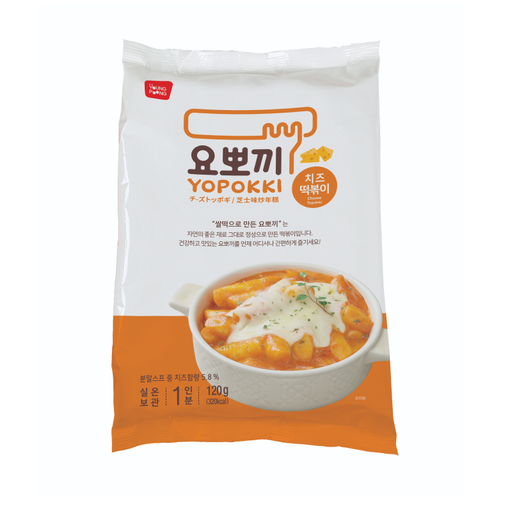
Why this fits the profile: A compact pack is ideal for a quick snack or a small meal featuring Korean rice cakes with a cheese flavour.
The net weight of 120 g and the separate ingredients for the rice cakes and seasoning mix are listed, so you can assess the product with confidence.
120 g per pack, rice cakes with a soft, chewy texture and a cheese-seasoned mix.
We’ve put together a full, up-to-date list of products that fully meet these strict selection criteria and comply with current European safety regulations.
That depends on the product price, delivery costs and pack size. Compare the price per 100 grams or per litre, and for frozen products, check any minimum order quantities. A multi-pack of udon can be good value if you use it regularly, while a single snack pack may be more suitable if you just want to try something.
Shelf-stable sauces, snacks and instant noodles generally have a longer shelf life, but the exact date is on the packaging. Opened sauces should be sealed and stored according to the instructions. Frozen products stay frozen until use; after defrosting, they must be kept refrigerated and usually cannot be refrozen.
Always check the full ingredients list and the allergen declaration. Pay particular attention to soya, wheat, fish, shellfish, milk, egg, mustard, peanuts and sesame. If in doubt, the label on the packaging you receive is the definitive source.
