
Livraison le jour même et le lendemain

Qualité garantie

Débloquez vos offres de bienvenue: Livraison GRATUITE | Jusqu'à -80 % | 30 jours d'essai gratuits à JoyPlus
Téléchargez l'application
Anyone looking to buy Asian noodles will quickly encounter dozens of varieties: Chinese noodles, Japanese udon noodles, Korean noodles, rice noodles and spicy instant noodles. The differences go far beyond shape. Preparation time, ingredients, serving size, allergens and shelf life all determine whether a product suits your kitchen.
Attractive packaging featuring terms such as “authentic”, “restaurant-style” or “healthy” does not always tell the full story. Use these checkpoints to avoid disappointing purchases and make a more informed choice between quick single-serve meals, dry noodles for everyday cooking and bulk-pack noodles for families or catering.
With instant noodles, much of the flavour comes from the oil, sauce and seasoning. That is convenient, but always check the nutritional value per 100 grams and the salt content. For example, YuanXian’s Chengdu Cold Noodles list 5.5 grams of salt per 100 grams, including all seasonings. This makes them a good choice for fans of bold Sichuan flavours, but less suitable if you prefer to control the amount of sauce yourself.
A product name may highlight a particular characteristic, but it does not automatically describe the meal as a whole. According to the product information, TXH Sour & Spicy Instant Zero Fat Wide Noodles contain 0 grams of fat per 100 grams. However, the package also contains chilli oil, sesame, peanuts and other flavourings. Always review the complete ingredients list and nutrition table.
The same applies to buckwheat noodles: check the actual buckwheat content. According to the product description, Ottogi Buckwheat Noodles contain 30% buckwheat flour and 56% wheat flour. This is therefore not a product made exclusively from buckwheat.
Fresh, dried and instant noodles each require a different approach. Fresh udon may be ready in one to two minutes, while dry Chinese noodles usually need to be boiled first. Shirataki noodles can be used immediately after rinsing and heating, but they have a different texture from wheat noodles.
Also check the storage requirements. A product may have a long shelf life, but once opened, dry noodles should be stored in a tightly sealed package. Frozen products such as Freasy Sichuan Dan Dan Noodles also require refrigerated transport and storage.
The main ingredient determines the bite and how the noodles can be used:
Wide noodles generally absorb plenty of sauce. Thin noodles often cook more quickly and work well in cold preparations. Thick udon is a strong choice if you are looking for a substantial yet soft bite.
For a quick meal, instant noodles or pre-cooked varieties are practical. TXH noodles are designed as a single serving and combine potato noodles with separate sachets of chilli oil, vinegar and vegetables. According to the preparation instructions, YuanXian Chengdu Cold Noodles only need to be mixed with the sauce and toppings.
For everyday cooking, dry Chinese noodles offer greater flexibility. Chen Ke Ming Vegetable Noodles need to be boiled for four to five minutes and can then be combined with stock, sauce or vegetables. GOLDEN PAGODA Fresh Nama Udon lists a preparation time of one to two minutes.
A package of 200 to 400 grams is convenient for home use. If you eat noodles regularly or cook for several people, consider bulk-pack noodles. Chunsi Sichuan Dan Dan Noodles and Jing Xing Sichuan Dan Dan Noodles are supplied in 2 kg bags. Golden Lion Fresh Nama Udon contains 30 individual 200-gram portions.
Always check for gluten, wheat, soy, sesame, peanuts, egg and sulphites before purchasing. These ingredients occur in several products. If in doubt, rely on the information on the label, as recipes and packaging may change.
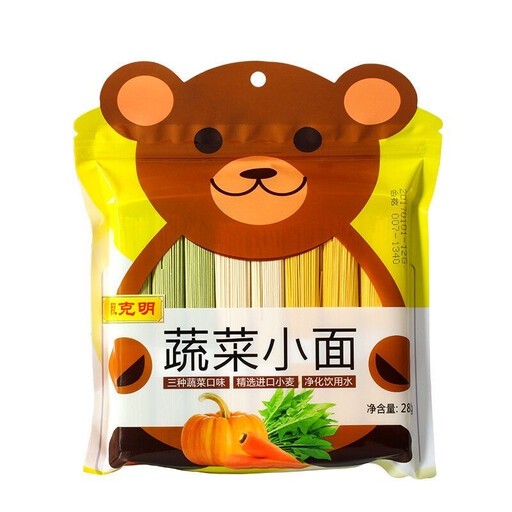
Why it is a good fit: A versatile base for families who want to choose their own sauce, stock and toppings. According to the product description, the carrot, spinach and pumpkin varieties are coloured with vegetable powders.
No ready-made sauce is included, so you decide the flavour and the amount of seasoning yourself.
Ready in four to five minutes and available in a 280 g package.
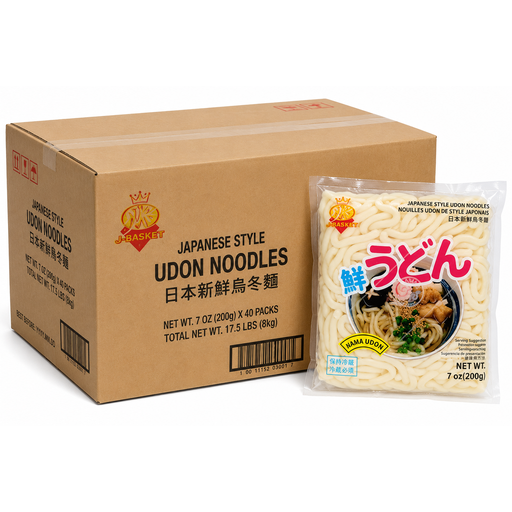
Why it is a good fit: This box contains 30 individually wrapped 200 g portions. It is practical for larger households, meal planning or professional kitchens.
The portions are individually wrapped, so you do not need to open a large bag each time.
Fresh udon, 30 portions and suitable for soups, stir-fries and cold noodle salads.
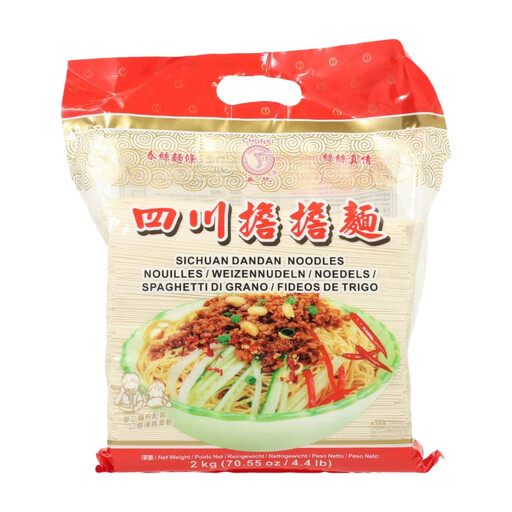
Why it is a good fit: A dry bulk pack for anyone who regularly prepares Chinese noodles, Dan Dan noodles or stir-fries.
The noodles are supplied without ready-made sauce, allowing you to control the heat level and amount of toppings.
2 kg of noodles; according to the product information, made with wheat flour, water and salt and suitable for pairing with sauces.
Explore a current selection of noodles in different flavours, formats and preparation styles. Compare the product information before placing your order.
For Japanese dishes, udon noodles are ideal when you are looking for a thick, soft texture. For Korean meals, consider Ottogi buckwheat noodles or Korean-style udon. If you prefer a light, transparent texture, shirataki or mung bean noodles are worth considering.
Rice noodles are a natural choice for Thai dishes. MAMA Yentafo Instant Flat Noodles are supplied as 50 g × 30 packs and, according to the preparation instructions, can be ready in two to three minutes. For a bold, spicy meal, Chengdu cold noodles, Ma Liu Ji Instant Cold Noodles or TXH Sour & Spicy Wide Noodles are options worth comparing.
When choosing instant noodles, pay particular attention to salt, oil, allergens and the weight of the actual noodle portion. For dry noodles, compare the price per 100 grams and the expected serving size.
Pre-cooked and fresh noodles are generally the fastest to prepare. Golden Pagoda udon lists a boiling time of one to two minutes. According to the product information, shirataki noodles only need to be rinsed and heated. Instant varieties differ by product, so always follow the instructions on the packaging.
The exact date is printed on the packaging. Store dry noodles in a cool, dry place away from direct sunlight. Once opened, a tightly sealed package helps prevent moisture and loss of quality. Fresh udon and frozen products require different storage conditions from dry Chinese noodles.
That depends on the price per 100 grams, the number of servings and the shelf life. A box of 30 portions is practical if you use noodles frequently. For occasional use, a 250- to 400-gram bag may be more suitable, as it requires less storage space.
