
Vandaag of morgen in huis

Kwaliteit gegarandeerd

Welkomstaanbiedingen ontgrendelen: GRATIS bezorging | Tot 80% korting | Gratis 30 dagen JoyPlus-proefperiode
Download de app
If you want to buy Asian noodles online, you’ll quickly come across dozens of varieties: rice noodles, rice vermicelli, mi fen, soba noodles, mung bean vermicelli and konjac noodles. The differences aren’t just about shape. Ingredients, allergens, cooking methods, packaging and nutritional values all determine whether a product suits your kitchen.
You often only notice a wrong choice when you start cooking: noodles fall apart, stay hard, turn sticky, or turn out to contain wheat or gluten. With these practical checks, you can avoid buying the wrong product.
A product with “buckwheat” in its name isn’t automatically gluten-free. Buckwheat itself contains no gluten, but many buckwheat noodles are mostly made from wheat flour. For example, CKM Dried Buckwheat Noodles contain at least 20% buckwheat flour and wheat gluten. Wheatsun Buckwheat Noodles and Jingxing Buckwheat Noodles also contain wheat.
If you’re following a gluten-free diet, always check the ingredients list and allergen information. Don’t just look for words like “soba”, “buckwheat” or “Japanese noodles”.
Rice noodles and mung bean vermicelli are light in texture, but they’re usually high in carbohydrates. Sunlee Rice Vermicelli, for example, lists 80g of carbohydrates per 100g. According to the product information, Pine Bean Vermicelli contains 86.5g of carbohydrates per 100g.
If you’re specifically looking for low-carb noodles, you need to compare the nutrition table. Konjac or shirataki noodles usually have a much lower energy value, but they differ in texture and preparation from traditional noodles.
An 800g pack might look appealing for a family or frequent user, but dried noodles take up space and some products need to be used quickly after opening. So check:
For a single-person household, a 300g or 400g pack can be more practical than a family-size bag.
For gluten-free noodles, rice noodles, rice vermicelli and some mung bean vermicelli are often suitable options based on the listed ingredients. According to the product description, Sunlee Rice Stick 5mm is made from 90% rice flour and 10% water, and lists none of the 14 major EU allergens. Bamboo Tree Rice Vermicelli lists rice, tapioca and water; the product information describes it as gluten-free.
Watch out for possible contradictions. Hethstia Konjac Noodle Oat Spaghetti is described as suitable for gluten-free use, but also states: “Contains gluten (oats)”. If you have an allergy, always check the label on the pack you receive and contact the manufacturer if you’re unsure.
The thickness affects how a noodle behaves in a dish:
The label “fresh” doesn’t always mean the product will be delivered chilled. Check the storage instructions and product packaging.
Always compare the same basis: nutritional values per 100g of product. Also check whether these refer to dry or ready-to-eat noodles.
As a guide from the available product information:
These figures don’t tell you the total nutritional value of your meal. Sauce, oil, meat, tofu and toppings all count too. Claims about a low glycaemic index or supporting weight goals come from the brand’s product descriptions; don’t treat them as personal health advice.
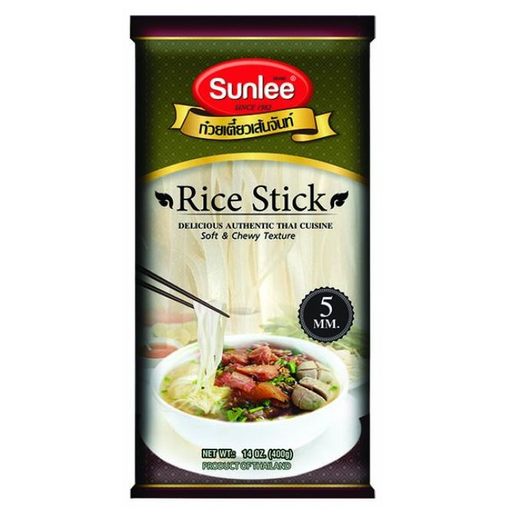
Why This Fits Their Persona: A versatile staple for anyone wanting to try Thai or Vietnamese dishes at home without stocking multiple types of noodles.
The product information lists rice flour and water as the base and describes the product as naturally gluten-free. Always check the current label before use.
400g pack; suitable for Pad Thai, pho, stir-fries and soup; cooking advice of 6–8 minutes.
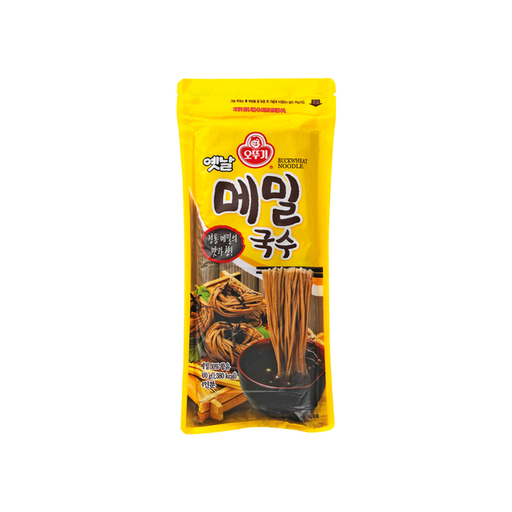
Why This Fits Their Persona: Ideal for anyone wanting to make Korean cold noodles or noodle soup with a distinct buckwheat flavour.
The ingredients list 30% buckwheat flour, but also 56% wheat flour and gluten. This makes the allergen choice clearer than with products that only carry a buckwheat claim.
400g; 30% buckwheat flour according to the product information; suitable for hot and cold preparations.
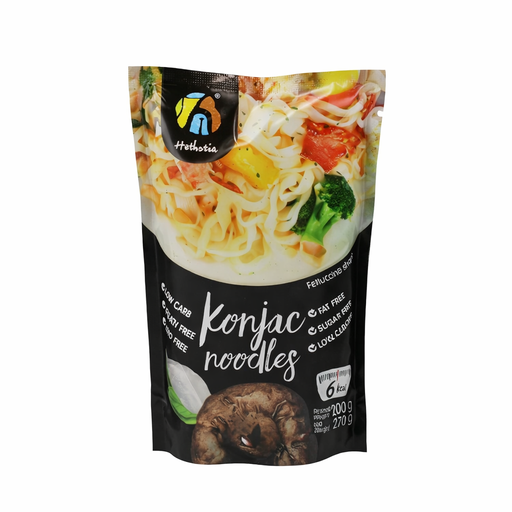
Why This Fits Their Persona: For anyone looking for an alternative to traditional pasta and who is particularly mindful of carbohydrates and energy.
The nutritional information states 6 kcal and 1.3g of carbohydrates per 100g. The product description mentions oats, so check the allergen information before purchasing.
270g; quick preparation after rinsing; suitable for sauce, stir-fries and soup.
Follow the instructions on the pack, as timings vary by type. Dried rice sticks often need to be soaked or boiled. Mung bean vermicelli is usually soaked briefly. Buckwheat noodles generally need to be cooked in boiling water and then drained.
Konjac noodles are often ready to eat. For Hethstia Konjac Noodle Fettuccine, the advice is: drain the liquid, rinse well and heat briefly. According to the product information, this product must be kept refrigerated after opening and used within two days.
Store dry noodles in a cool, dry place, seal the pack properly and don’t use any product where the packaging is damaged. Always read the current packaging; online information can change.
Browse a current selection of products and compare ingredients, allergens, packaging and preparation methods for your next meal.
Rice noodles, rice vermicelli and some mung bean vermicelli are often suitable based on the listed ingredients. Always check the allergen label and possible cross-contamination. Buckwheat noodles frequently contain wheat.
The terms are often used for similar konjac products. Check the ingredients, nutritional values and preparation instructions for each product. The texture is different from rice noodles or wheat noodles.
For soup and stir-fries, you can use rice sticks, rice vermicelli, mung bean vermicelli and buckwheat noodles, among others. Choose thicker noodles for hearty sauces and thinner varieties for light broth or cold salad.
