
Livraison le jour même et le lendemain

Qualité garantie

Débloquez vos offres de bienvenue: Livraison GRATUITE | Jusqu'à -80 % | 30 jours d'essai gratuits à JoyPlus
Téléchargez l'application
When you buy Asian noodles online, you’ll quickly come across dozens of varieties, formats and cooking methods. A wheat noodle for stir-fries behaves very differently from glass noodles in a spring roll or shirataki noodles in a light sauce. What’s more, the packaging might use terms like “authentic”, “traditional” or “zero-fat” without making it clear what that actually means in practice.
As Joybuy Product Recommendation Officer, I’ve filtered out the key product specifications so you can choose noodles based on ingredients, preparation and use. Below you’ll find our recommendations for 2026, including points to consider for Chinese, Korean, Japanese and Thai dishes.
Wuhan hot dry noodles, Korean noodles and Japanese noodles each have their own preparation method. Yet the composition varies from brand to brand. So always check the ingredients list, origin and cooking instructions. A product labelled “Korean-style” isn’t automatically from South Korea.
Rice noodles, vermicelli and some glass noodles contain none of the 14 major EU allergens according to the product information, but that doesn’t mean every similar product is gluten-free. Buckwheat noodles often contain wheat flour too. For example, Ottogi Buckwheat Noodles are made from 56% wheat flour and 30% buckwheat flour, and they do contain gluten.
With shirataki noodles and konjac noodles, the nutritional values can be much lower than with wheat noodles. However, always check the full packaging and preparation method; product information can vary between variants.
A 1.36 kg or 2 kg bag is practical for families, meal prep and regular cooking. But if you like to alternate between ramen noodles, udon noodles and stir-fry noodles, a smaller pack might suit you better. Also pay attention to the best-before date and storage instructions after opening.
The base ingredient determines texture and suitability:
If you have allergies, always check the label for wheat, gluten, soya, milk, sesame, peanuts and mustard. Even a product that naturally contains no allergens may, according to the packaging, contain traces.
The stated cooking time is a practical selection criterion:
Compare the nutritional values per 100 g, but also check whether this refers to dry or prepared noodles. Toyoung Wuhan Dry Noodles states 348 kcal, 73 g carbohydrates and 11.8 g protein per 100 g. JINBAIWEI Udon Noodles states 121 kcal per 100 g and is intended to be heated briefly.
With instant noodles, you need to include the sauce sachets. PakuPaku Instant Ramen Creamy Cheese states per 100 g: 402 kcal, 15.1 g fat and 2.98 g salt. So use the full nutritional information, not just the noodle name.
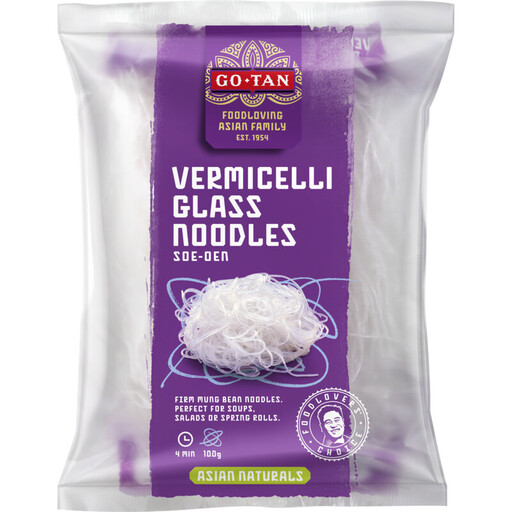
Why This Fits Their Persona: A small pack so you can use vermicelli in soup, soto, salads, stir-fries or spring rolls without buying a large quantity straight away.
The packaging states 85% mung bean starch and preparation for multiple dishes, without assuming a bulk pack.
100 g pack; according to the product information, vegetarian and free from the 14 major EU allergens.
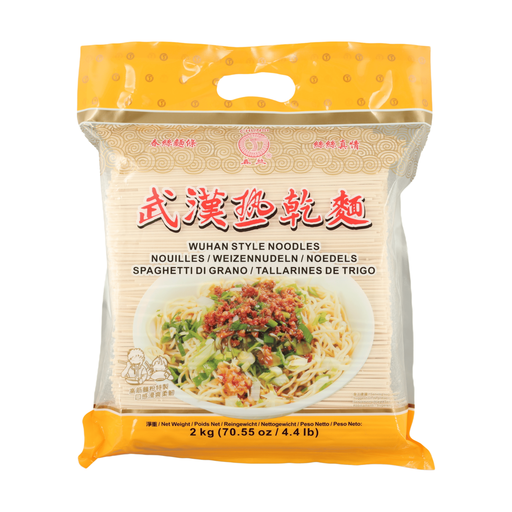
Why This Fits Their Persona: For home cooks who want to prepare Wuhan hot dry noodles with sesame paste, soy sauce, spring onion and chilli oil.
The ingredients list is short: wheat flour and salt. The product description mentions a cooking time of around 4 minutes.
2 kg bulk pack; according to the product information, also suitable for cold noodles and stir-fry dishes.
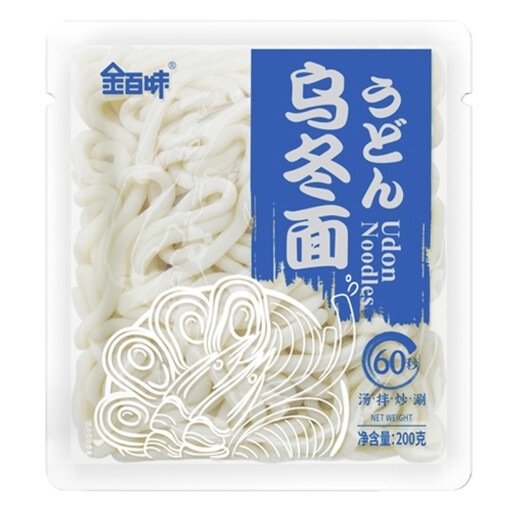
Why This Fits Their Persona: A handy choice for a quick bowl of noodle soup or a simple stir-fry on busy weekdays.
The usage instructions clearly state: 1 minute in the microwave at 700–800 W with a tablespoon of water. Do not eat raw.
200 g per bag; smooth, chewy texture and suitable for soup, stir-fry and cold preparations according to the product description.
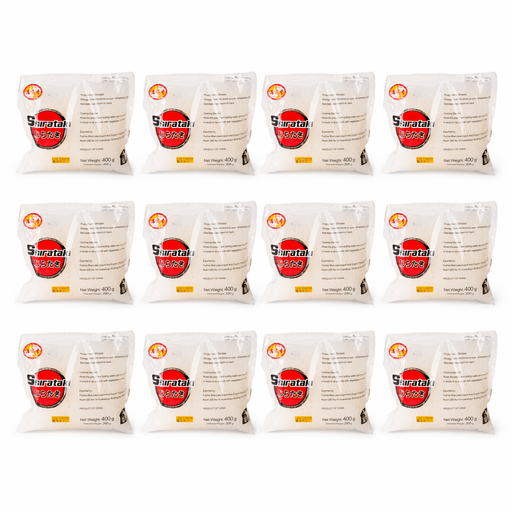
Why This Fits Their Persona: For vegan consumers and home cooks who want to combine konjac noodles with stir-fry sauce, broth or salad.
The ingredients are water, konjac flour and calcium hydroxide. The product information states that the noodles are ready after rinsing and heating.
According to the label, gluten-free and vegan; per 100 g the product information states 7 kcal and 1.7 g carbohydrates.
Browse a current selection of noodles with different ingredients, portion sizes and preparation methods for everyday use.
That depends on the ingredients and allergen declaration. Vermicelli made from mung bean, potato or tapioca starch can be suitable, as can some shirataki noodles. Buckwheat noodles are not automatically gluten-free when wheat flour has been added. Always check the current label.
Not always. According to the product information, City Aroma Shirataki Fine Noodles are ready to use after thorough rinsing and heating. Follow the instructions on the packaging and do not eat them raw if that is advised against.
Dry Wuhan noodles, vermicelli and buckwheat noodles have a long shelf life when stored in a cool, dry place. Fresh udon noodles are quicker to prepare, but require more attention to the best-before date and storage after opening.
