
Livraison le jour même et le lendemain

Qualité garantie

Débloquez vos offres de bienvenue: Livraison GRATUITE | Jusqu'à -80 % | 30 jours d'essai gratuits à JoyPlus
Téléchargez l'application
When you buy Asian noodles, you’ll quickly come across dozens of varieties: Chinese noodles, Korean noodles, Japanese udon noodles, instant noodles and stir-fry noodles. Yet not every packet is suitable for the same preparation. A thin noodle for soup can go limp in the wok, while a wide noodle might absorb too much sauce for a light broth.
What’s more, the packaging can be misleading. Words like “authentic”, “handmade” or “restaurant-style” tell you very little about the ingredients, cooking time or portion size. So always start by looking at the concrete product specifications.
Not every noodle is a stir-fry noodle. Some dried noodles need to be boiled for four to eight minutes and then rinsed. Other varieties are pre-cooked and only need to be reheated. If you use a soft instant noodle in a hot wok, the texture can quickly lose its bite.
A 2 kg pack or a box of 30 portions may seem good value per portion, but it requires enough storage space and regular use. For one or two people, a smaller pack can be more practical. With fresh noodles, also check the storage instructions and the shelf life after opening.
Wheat, soya, sesame and peanuts are common in Asian noodles and the accompanying sauce sachets. So always check the label, especially with spicy noodles and instant noodles. The online product information may differ from the packaging. Therefore, read the current ingredients list, allergen information and cooking instructions before use.
Dried noodles have a long shelf life and are handy for the store cupboard. Depending on the shape and cooking time, they work well in soups, stir-fries and cold noodle dishes. Chinese noodles such as Lanzhou or Shanghai noodles are often made with wheat flour, water and salt.
Fresh noodles generally need a shorter cooking time. Japanese udon noodles are thick and elastic, and they go well with broth, stir-fries or a cold dressing. Check whether they need to be stored chilled, frozen or at room temperature.
Instant noodles are convenient because seasonings are often already added. Pay particular attention to the salt content, the number of sauce sachets and the portion size. An instant product is not automatically suitable as a base for a stir-fry.
Don’t just compare the weight – also compare the preparation. According to the product information, Conimex Wok Noodles are ready in about two minutes and then rinsed. For HUI JI Youyimian Sichuan Pepper Noodles, the cooking time on the label is five to eight minutes. A 200 g portion of fresh udon is quite different from 200 g of dried noodles, because the moisture content varies.
Also check:
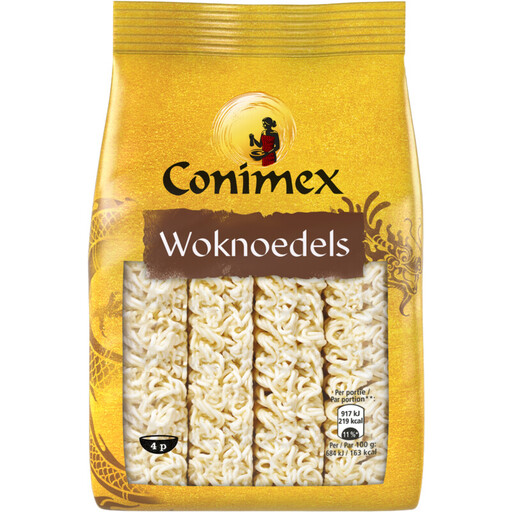
Why this suits the profile: A straightforward pack for anyone who wants to make simple stir-fries at home without lengthy preparation.
The cooking instructions state a boiling time of two minutes and use in a stir-fry dish. This makes the application clear.
248 g per pack, suitable for 3-4 people according to the product information; vegetarian and made from wheat flour.
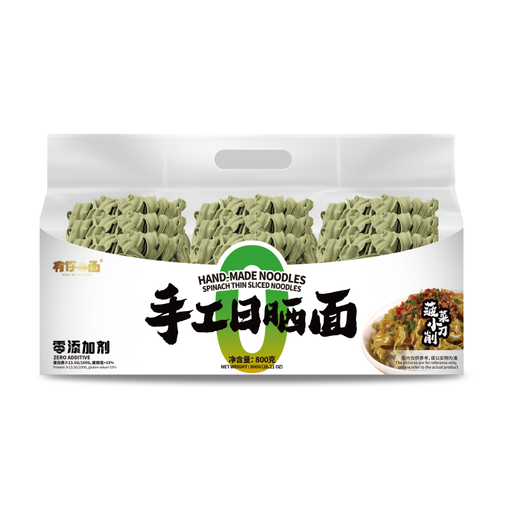
Why this suits the profile: For those who care about shape, texture and versatility, and who want to create their own sauce or broth.
The wide, flat shape is clearly described and suitable for soup, stir-fry and cold dishes. The cooking time is stated as six to eight minutes.
800 g dried noodles; ingredients include wheat flour, water, spinach powder and salt. Contains wheat and sulphites.
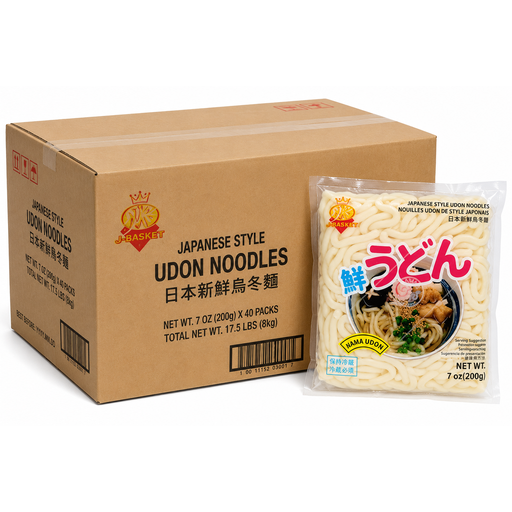
Why this suits the profile: The individually wrapped portions are practical for catering, large families or a household that cooks udon often.
The 200 g portions reduce waste and make consumption easy to plan. Do check the storage space and shelf life information before buying.
30 individually wrapped portions; suitable for soup, stir-fries and cold salads according to the product description.
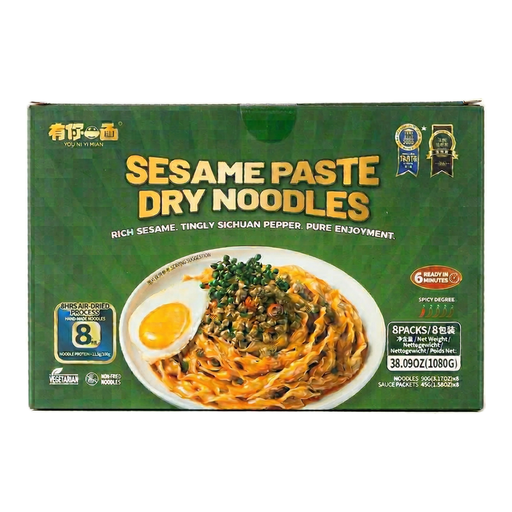
Why this suits the profile: A bulk pack for anyone who loves cooking Sichuan noodles with the included sauce and wants a distinctly spicy flavour.
The sauce, sesame paste and Sichuan pepper are packed separately. This means you can adjust the amount of seasoning and oil per portion.
Eight portions of 135 g; cooking time of five to eight minutes. Contains wheat, soya and sesame.
We’ve put together a full, up-to-date list of products that fully meet these strict selection criteria and comply with current European safety regulations.
Choose noodles with a clear stir-fry application and check whether they need to be boiled and rinsed first. Wheat flour stir-fry noodles are often practical for wok cooking. Add them only when the vegetables and sauce are nearly ready, so they are less likely to go soft.
Udon noodles are thicker and usually have a soft, firm bite. They work well with rich broth, stir-fries and cold preparations. Ramen noodles are generally thinner and are often combined with soup. The exact texture varies by brand, so check the product description and cooking time.
Store dried noodles in a cool, dry place and keep them well sealed. Fresh or frozen noodles require different conditions, such as refrigeration or freezing. Always follow the label. Do not use an opened pack if the packaging is damaged or if the shelf life information indicates it is no longer safe.
