
Vandaag of morgen in huis

Kwaliteit gegarandeerd

Welkomstaanbiedingen ontgrendelen: GRATIS bezorging | Tot 80% korting | Gratis 30 dagen JoyPlus-proefperiode
Download de app
If you’re looking to buy Asian noodles, you’ll quickly come across dozens of varieties that look similar. Yet the type of noodle makes a big difference to the preparation, texture and suitability for a dish. A thin rice vermicelli behaves very differently from wide rice noodles, glass noodles or a ready-to-use stir-fry noodle.
The most common mistakes come down to three simple oversights:
With the right checks on ingredients, size and intended use, you’ll find it easier to choose Thai noodles, Vietnamese noodles or a practical stock for stir-fry dishes.
Rice noodles are made from rice, sometimes with added tapioca or starch. They’re popular in stir-fries, soups, salads and Vietnamese bun dishes. Thickness matters:
Rice vermicelli is usually thinner and is often soaked in hot water. Always check the preparation instructions on the packet. Some varieties need soaking, while others require a short boil.
Glass noodles are typically made from starch, such as mung bean, potato, tapioca or pea starch. They turn transparent after soaking and work well in spring rolls, soups, salads and stir-fries.
Bear in mind that “vermicelli” doesn’t always mean rice vermicelli. A product made with mung bean or potato starch is actually a glass noodle. An example is Go-Tan Vermicelli Noodles, made with 85% mung bean starch. The product information states that this variety is suitable for soups, soto, salads and spring rolls.
Instant noodles are designed for a quick meal. Wai Wai Instant Noodle Oriental Style (60 g) is prepared with hot water, according to the product information. MAMA varieties are usually ready in 3 to 4 minutes. The MAMA Shrimp Flavor pack of 10 x 60 g is handy if you want to keep several portions in stock.
A ready-to-use option is Yi Wan Wu Dong Stir-fried Udon Thai Fried Rice Noodles (270 g). According to the product description, these udon noodles can be heated in the microwave in 2 to 3 minutes. The pack includes sauce, seasoned oil and sesame. This means you need to buy fewer extra ingredients, but do check the allergens first: the product information lists gluten, soya, peanuts and sesame.
Don’t just look at terms like “Thai flavour” or “Oriental style”. Read the full ingredients list and allergen declaration. This is especially important with instant noodles that contain several sachets.
Examples from the range:
Always check the current packaging before each purchase. The manufacturer or importer may change the recipe, and the product packaging may contain more information than the web page.
The stated width is not a minor detail. Thin noodles can turn soft if cooked too long, while wide noodles need more time to heat through.
Look out for these points:
Farmer Brand Rice Stick Noodle 3 mm (400 g) is made from rice flour, according to the product information. Bamboo Tree has similar varieties in 1 mm, 3 mm and 5 mm. If you often cook different recipes, you can build a targeted small stock based on these thicknesses.
A 400 g bag is practical for several meals, while individual portions of instant noodles are handy for the office, travel or a quick meal at home. So compare the price per 100 g rather than just the price per pack.
Store dry noodles according to the instructions on the label: usually in a cool, dry place away from direct sunlight. Do not use a pack if it is damaged. Check the best-before date on the actual packaging.
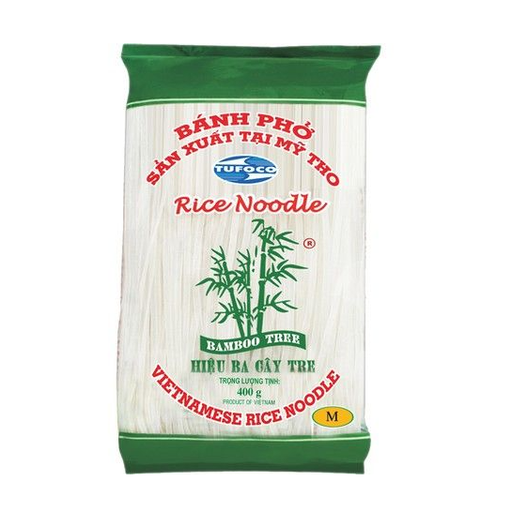
Why this fits the profile: The 400g pack and medium width are practical for home cooks who want to start making pad thai, stir-fries and soups.
The clear thickness marking stops you accidentally picking an ultra-thin vermicelli for a hearty stir-fry. The ingredients list rice, tapioca and water.
3 mm width, 400 g content and, according to the product data, free from the 14 major EU allergens.
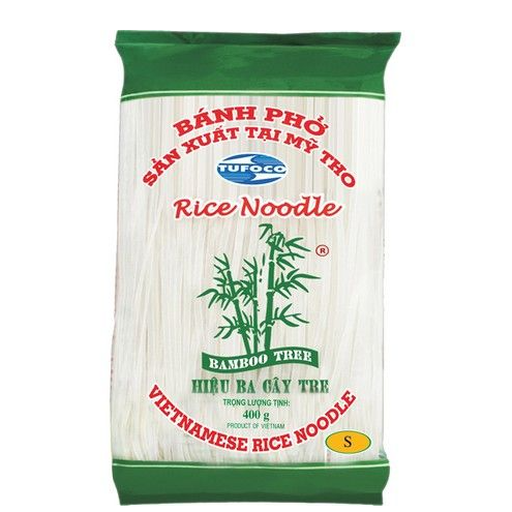
Why this fits the profile: The thin 1mm variety suits light Vietnamese dishes, salads and recipes where a delicate texture is desired.
The product information states the rice content of 72% and the origin Vietnam, so you don’t have to rely on a flavour name alone.
1 mm thick, 400 g content and, according to the product data, free from the 14 major EU allergens.
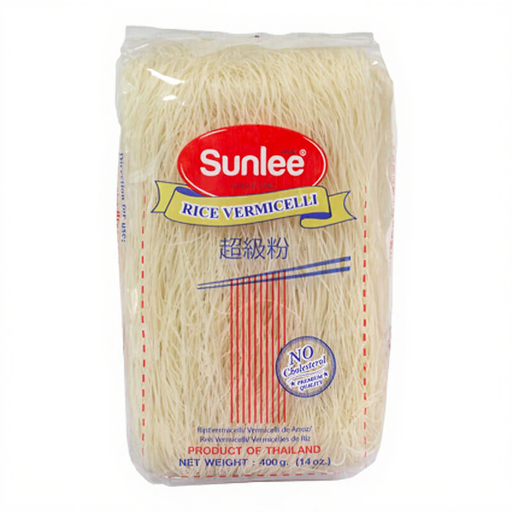
Why this fits the profile: This rice vermicelli is aimed at those who regularly make salads, soups, spring rolls and Thai dishes.
The product description gives multiple uses and states a clear method: soak in hot water or boil briefly, then drain and rinse.
400 g pack, 88% rice according to the product information and no mention of the 14 major EU allergens.
We’ve put together a full, up-to-date list of products that fully meet these strict selection criteria and comply with current European safety regulations.
For pad thai, medium-wide rice noodles are usually used, often around 3 mm. Check the instructions: some noodles need to be soaked first and then briefly stir-fried. Very thin rice vermicelli can turn soft more quickly.
No. Many rice noodles are made from rice, tapioca and water and are labelled as gluten-free. However, seasonings, broths or production lines may contain other allergens. So always check the allergen information on the packaging. VIFON and several MAMA products, for example, list wheat or other allergens.
The best-before date is on the packaging and varies by product. Unopened dry noodles should generally be stored in a cool, dry place away from direct sunlight. Once opened, keep the pack tightly sealed. Instant noodles are practical as a store-cupboard staple, but do check the date and any damage to the packaging.
