
Vandaag of morgen in huis

Kwaliteit gegarandeerd

Welkomstaanbiedingen ontgrendelen: GRATIS bezorging | Tot 80% korting | Gratis 30 dagen JoyPlus-proefperiode
Download de app
The Asian noodle aisle can be overwhelming. From Japanese udon to Chinese rice noodles and low-carb konjac varieties, the choice is immense. But how can you be sure you've picked the right noodle for your dish? Many people make a choice based on the packaging and end up disappointed. Let's look at a few common pitfalls so you can avoid them.
Pitfall 1: The "Authentic" Marketing Trap. Terms like "traditional" or "authentic recipe" sound promising, but they often say little about the actual quality or taste. It's usually a marketing term that doesn't guarantee the noodle will suit the dish you want to make.
Pitfall 2: The Wrong Texture for Your Meal. You've prepared a delicious, light broth, but the thick, heavy noodles completely overpower the flavour. Or you want to make a hearty stir-fry, but your noodles fall apart. The texture and thickness of the noodle are crucial for the success of your dish.
Pitfall 3: Unexpected Ingredients. You're following a specific diet, like keto or gluten-free, and think you've found a suitable noodle. When you get home, you discover it contains wheat or sugar after all. It pays to look beyond the front of the package.
To avoid making the wrong choice, it's helpful to pay attention to a few objective characteristics. These specifications determine the taste, texture, and what the noodle is best suited for.
The main ingredient determines almost everything. The four most common base ingredients are:
The shape of the noodle is no accident; it's designed for a specific purpose.
Always check the recommended cooking time. This can save you a lot of time.
Based on these criteria, we have highlighted a few popular choices that suit different needs and cooking styles.
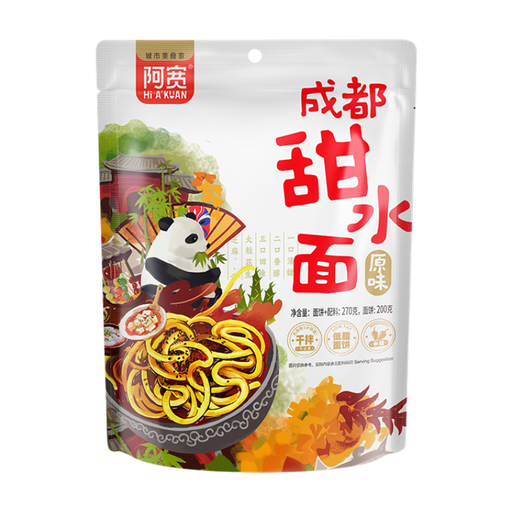
Why This Fits Their Persona: Perfect for those with little time who still want a flavourful, complete meal. This kit contains everything you need: noodles and a perfectly portioned sauce mix. Ready in minutes.
This meal kit solves the 'wrong texture' pitfall. The firm, handmade noodles are specifically designed for the sweet and spicy sauce, ensuring the balance is just right.
Complete meal kit with noodles and sauce packets. Authentic Chengdu flavour with a sweet and spicy profile.
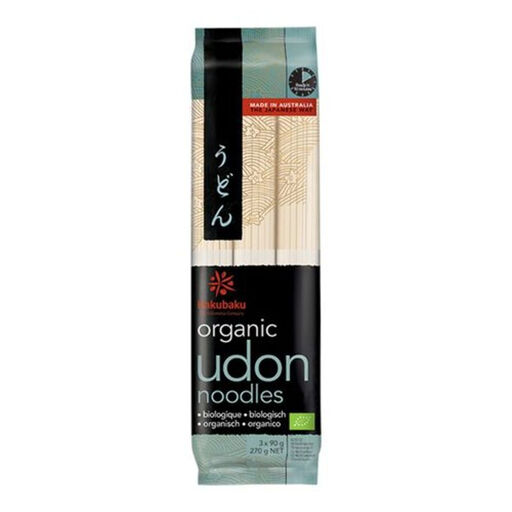
Why This Fits Their Persona: For the cook who likes to have full control over the flavours. These udon noodles are a perfect, neutral canvas for homemade broths, sauces, and stir-fries.
This product sidesteps the 'authentic marketing trap'. It's a basic product with a clear ingredient list (95% wheat, 5% salt), with no misleading claims. You know exactly what you're buying.
Thick, soft texture that pairs well with soups. Made with just two main ingredients: wheat flour and salt.
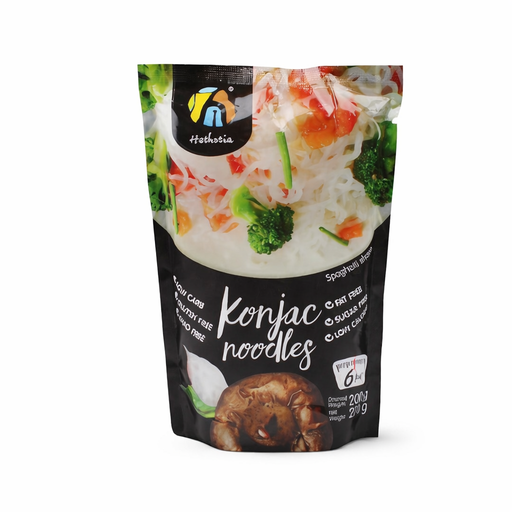
Why This Fits Their Persona: Ideal for anyone following a keto, low-carb, or gluten-free diet. These noodles offer the experience of pasta without the carbs and calories, allowing you to enjoy guilt-free.
This product tackles the 'unexpected ingredients' pitfall. The specifications are clear: made from konjac flour, gluten-free, and with only 6 kcal and 1.3g of carbs per 100g. No hidden sugars or wheat.
Extremely low in calories and carbohydrates. Suitable for keto, gluten-free, and vegetarian diets. Firm texture that holds up well in sauces.
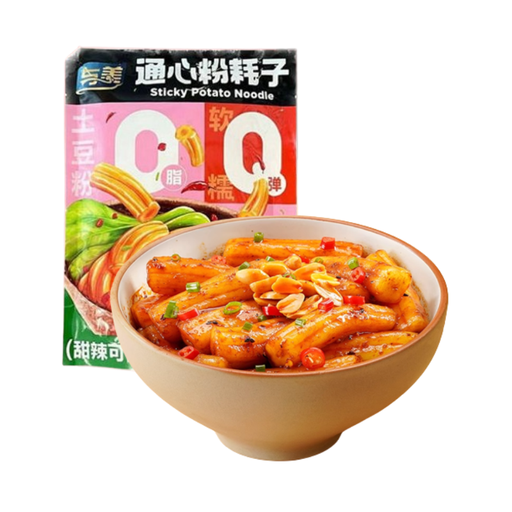
Why This Fits Their Persona: For those seeking a unique texture and a bold flavour. These potato starch noodles offer a chewy and sticky bite that's different from wheat or rice noodles, combined with a daring Sichuan flavour.
This product is the opposite of a vague 'authentic' promise. The description is specific: "Sichuan-Style Sweet & Spicy Noodles". The complete kit with chilli oil, sweet soy sauce, and sesame paste delivers a distinct flavour experience.
Unique, chewy texture from potato starch. Complete meal kit with a complex, sweet-and-spicy Sichuan flavour.
We have compiled a complete, up-to-date list of products that meet these selection criteria. Find the perfect noodle for your next meal.
While there is a lot of overlap, there are some general differences. Japanese noodles like udon, ramen, and soba often have a very specific preparation method and texture, and are associated with dishes like soups and cold noodle salads. Chinese noodles have an even greater variety in shape and ingredients, from wheat and egg noodles to rice noodles of all thicknesses, and are widely used in stir-fries, soups, and dim sum.
Dried noodles are best stored in an airtight container in a cool, dry place. They will last for months. Pre-cooked, vacuum-packed noodles should be refrigerated after opening and consumed within a few days, as indicated on the packaging.
Konjac noodles, also known as shirataki, are popular because they are very low in calories and carbohydrates. They consist mainly of water and glucomannan fibre from the konjac plant. This makes them a suitable choice for people looking for a keto noodle or low-carb alternative. The texture is firm and somewhat gelatinous, and they have a neutral taste, which allows them to absorb the flavours of sauces and spices well. Always rinse them thoroughly before use to remove the natural odour of the konjac plant.
