
Livraison le jour même et le lendemain

Qualité garantie

Débloquez vos offres de bienvenue: Livraison GRATUITE | Jusqu'à -80 % | 30 jours d'essai gratuits à JoyPlus
Téléchargez l'application
Anyone looking to buy Asian noodles online can quickly feel overwhelmed by the sheer number of options. The selection is vast, ranging from Japanese ramen to Thai instant noodles and Korean specialities. But how can you be sure you're making a good purchase? Many packages promise an authentic taste or a healthy meal, but the reality is often different.
Before you fill your digital shopping cart, it's wise to be aware of a few common pitfalls. This will help you avoid disappointment and save money.
To sidestep these traps, it helps to pay attention to a few basic details. This isn't about complex analysis, but about practical specifications you can find directly on the packaging or product page.
The foundation of your dish is the noodle itself. Its texture and material largely determine the eating experience.
A quick glance at the back of the package is worth a thousand words on the front. Pay special attention to:
Ordering noodles online often comes with the advantage of larger packaging options.
To get you started, we've highlighted a few products that suit different needs and lifestyles. These choices are based on their specifications and intended use.
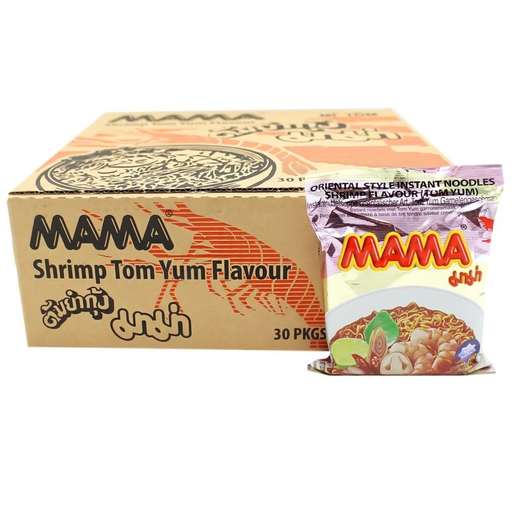
Why This Fits Their Persona: Ideal for students or young professionals who need a quick, affordable, and flavourful meal. A value pack of 30 means you always have a fast solution in the cupboard.
By buying a bulk noodle pack, you avoid the high cost-per-portion of individual packets from the supermarket. You know exactly what you're getting: a classic, quick, no-frills meal.
Ready in 3-4 minutes. The creamy Tom Yum flavour is a popular classic from Thai cuisine. Very economical per meal.
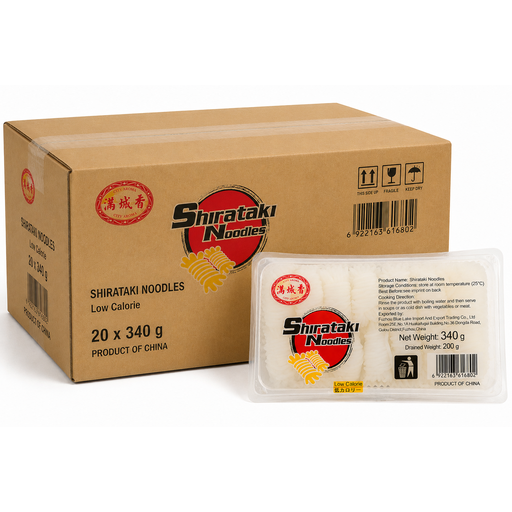
Why This Fits Their Persona: Perfect for anyone following a keto or low-carb diet. These shirataki noodles are a versatile substitute for pasta or traditional noodles in soups and stir-fries.
You won't fall for the trap of "light" noodles that still contain a lot of carbs. The nutritional information is clear: this product is made from konjac and contains virtually no calories or carbohydrates.
Contains only 11 kcal and 2 grams of carbs per 100 grams. The neutral taste ensures the noodles absorb the flavours of sauces and spices well.
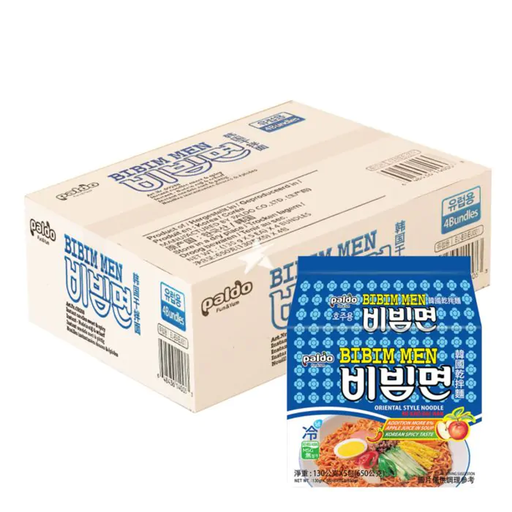
Why This Fits Their Persona: For those seeking a specific, authentic taste experience. Bibim Men is a classic Korean dish of cold noodles with a spicy, sweet-and-sour sauce, offering a change from standard noodle soup.
You're choosing a genuine Korean dish instead of a vague "Asian" flavour. This product delivers the specific taste of Bibimmyeon, a popular dish in South Korea, especially in warm weather.
Unique sweet-and-spicy gochujang sauce. The Korean noodles are meant to be eaten cold, making for a refreshing meal. The noodles have a firm, chewy texture.
We have compiled a complete, real-time list of products that fully satisfy these strict selection criteria and UK safety regulations.
For dried noodles (like ramen or udon from a packet), the best practice is to store them in an airtight container in a cool, dry, and dark place. This way, they will stay good for months. Pre-cooked noodles in liquid, such as shirataki, should be kept in the refrigerator after opening and are best consumed within a few days, according to the package directions.
The main difference lies in the ingredients and nutritional values. Shirataki noodles are made from the konjac plant and consist mainly of water and fibre. They are gluten-free and contain virtually no calories or carbohydrates. The texture is firm and slightly gelatinous. Wheat noodles, like most ramen noodles, are made from wheat flour, water, and salt. They contain gluten, more calories and carbohydrates, and have the classic, familiar "bite" that many people know.
Instant noodles are a great base, but you can easily make them more nutritious. Add fresh vegetables like bok choy, spinach, bean sprouts, or sliced bell peppers. A soft-boiled or fried egg is a classic addition. For extra protein, you can add pieces of chicken, tofu, or shrimp. Want to turn it into a complete and quick Asian meal? Consider to buy gyoza and steam or pan-fry them on the side.
