
Vandaag of morgen in huis

Kwaliteit gegarandeerd

Welkomstaanbiedingen ontgrendelen: GRATIS bezorging | Tot 80% korting | Gratis 30 dagen JoyPlus-proefperiode
Download de app
Buying the right Asian noodles can be the difference between an authentic dish and a disappointing meal. The selection in an online Asian market is vast, and the packaging isn't always clear. Many home cooks fall into the same traps: they choose the wrong type for their recipe or are surprised by the texture. As a Joybuy Product Recommendation Officer, I'll help you see past the marketing jargon and make the right choice based on facts.
Before you fill your shopping cart, it's helpful to know what often goes wrong. This way, you can avoid ending up with noodles that aren't suitable for your dish.
To avoid the pitfalls, focus on three concrete characteristics. These determine the flavour, texture, and ultimate success of your meal.
The raw material is the most important factor. It not only determines the taste but also whether the noodle is suitable for certain diets.
The shape and thickness of the noodle determine how it performs in a dish. A simple rule of thumb:
Always check the recommended preparation method on the package. Some dried rice noodles need to be soaked in hot water first before you process them further. Others, like most wheat noodles, can be cooked directly in boiling water. Shirataki noodles are often pre-cooked and only need to be rinsed and heated. This small detail can save a lot of time, especially for a quick weeknight meal.
Below is a selection of noodles, paired with specific home cook profiles. This is not a ranking, but a practical guide to finding a product that suits you.
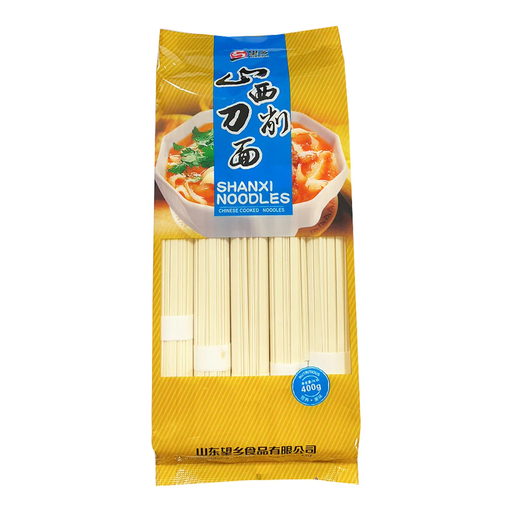
Why This Fits Their Persona: Ideal for those who want to quickly put a nutritious and hearty stir-fry on the table after a long day. The thick, irregular shape ensures that sauce clings well and the noodles don't turn mushy during stir-frying.
These noodles are specifically designed for robust dishes. You avoid the pitfall of using a noodle that's too delicate and falls apart in the wok.
Thick, firm texture that holds up well. Made from simple ingredients: wheat flour, water, and salt.
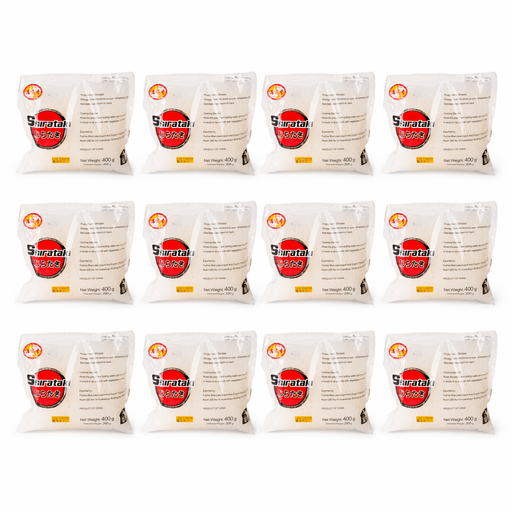
Why This Fits Their Persona: For anyone following a low-carb, keto, or gluten-free diet. These noodles contain very few calories and carbohydrates, making them a light base for soups, salads, or stir-fries.
Avoids the pitfall of unexpected ingredients. The base is konjac flour and water, with no hidden sugars, gluten, or fats.
Extremely low in calories (7 kcal per 100g) and carbohydrates. Naturally gluten-free and vegan. Ready to use after rinsing.
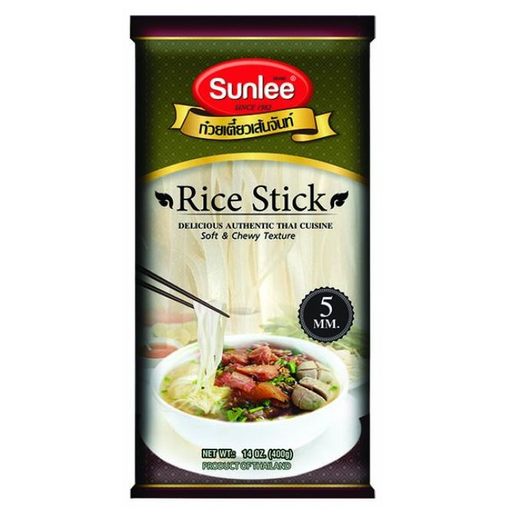
Why This Fits Their Persona: Perfect for making classic noodle soups like Vietnamese Pho or Thai boat noodles. The 5mm thickness is ideal: the noodles remain firm and absorb the broth without turning mushy.
The clear name "Rice Stick 5mm" prevents confusion. You know you're buying a flat, medium-thick rice noodle suitable for soups, not the paper-thin variety.
Made from 90% rice flour and 10% water, which ensures a pure taste and good texture. Naturally gluten-free.
We've curated a complete, up-to-date list of products that meet our strict selection criteria.
The surest way is to check the ingredients list. Noodles made from 100% rice, buckwheat (soba, but check for added wheat), sweet potato, mung bean (glass noodles), or konjac (shirataki) are typically gluten-free noodles. Avoid noodles that list "wheat flour". Products explicitly labeled as gluten-free offer the most certainty.
Although they can look similar, their base is different. Rice noodles are made from rice flour and water and have an opaque, white colour. They become soft and retain a slight "bite". Glass noodles (also called cellophane noodles) are usually made from the starch of mung beans, sweet potato, or tapioca. They are transparent and have a more gelatinous, slippery texture after cooking.
Dry noodles have a long shelf life if stored correctly. Seal the opened package tightly with a clip or transfer the remaining noodles to an airtight container. Store them in a cool, dry, and dark place, like a kitchen cupboard. This prevents them from absorbing moisture or going stale.
