
当日/次日达

品质保障

开启新人专享福利: 全场免邮 | 低至 2 折 | 免费试用 30 天 JoyPlus 会员
下载 Joybuy
If you want to buy Asian noodles, you will soon come across dozens of types, sizes and cooking methods. A thin rice noodle behaves differently from a firm udon noodle. An instant cup is not automatically suitable as the base for a stir-fry, either. The right choice depends mainly on the dish, the texture you want and the information on the label.
Not every type of noodle is suitable for pho, hotpot or stir-frying. Thin rice noodles can soften quickly in hot broth, while wider noodles hold their shape better. Udon noodles are thick and springy, but are less suited to a light Vietnamese salad.
Terms such as “authentic”, “traditional” or “premium” say little about the ingredients on their own. So check the ingredients, net weight, origin and cooking instructions. According to information provided by the brand, a product may be described as “Korean-style” even though its country of origin is China. That is not a problem, but it is relevant information when comparing products.
Wheat, gluten, soya and sesame are common in Chinese noodles, Korean noodles and instant varieties. Rice and glass noodles sometimes have simpler ingredients, but always check the current packaging. Online product information may differ from the label. Also note the difference between a 100- or 200-gram pack and a catering box containing, for example, 30 portions.
The texture determines how you use the noodles:
Dried noodles are easy to store and handy to keep in the pantry. According to the product information, the 400-gram Golden Lion Rice Vermicelli Noodles need to soak in hot water for 10 to 20 minutes, depending on their thickness.
Fresh noodles, such as the Golden Pagoda Fresh Udong Noodle, are quicker to prepare. The stated cooking time is 1 to 2 minutes in boiling water. Store fresh varieties according to the label and seal the packaging well after opening.
Instant noodles are especially practical when speed matters. They often come with a seasoning, oil or sauce sachet. Check the salt content and allergens. For example, the Lamianfan bowl lists wheat, soya and sesame, and recommends soaking for about 3 minutes in boiling water.
Compare not only the nutritional values but also the ingredients. The Wai Wai Kway Teow lists rice and water as ingredients and, according to the product information provided, contains none of the 14 main EU allergens. The Golden Lion Japanese udon, on the other hand, lists possible traces of wheat, soya, egg and sesame, among other things.
If you are looking for halal noodles, check for a clear halal label and the full ingredients list. A product with “halal” in its title may contain other allergens. The Yang Zhanggui ramen variety is offered as halal, but lists wheat, soya and barley as allergens.
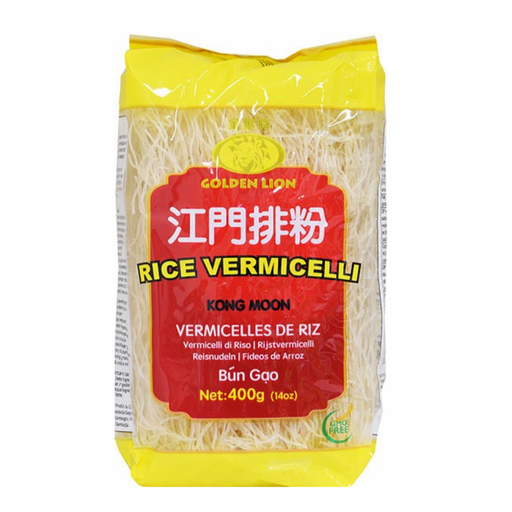
Why This Fits Their Persona: A versatile pantry pack for home cooks who want to try different Asian dishes without buying in bulk straight away.
The product information gives a clear soaking time of 10 to 20 minutes and suggests using the noodles in soups, salads and stir-fries.
400 g pack; according to the information provided, free from the 14 main EU allergens.
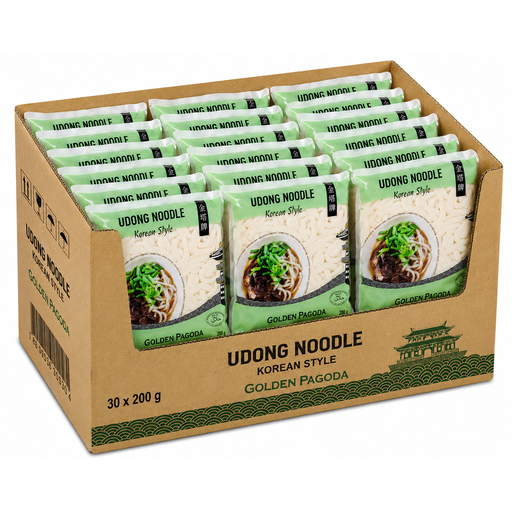
Why This Fits Their Persona: A large box for families, meal planning, catering or commercial kitchens that regularly prepare udon, soup or stir-fries.
The packaging makes it clear that the box contains 30 individual portions, making it easier to plan how much you need.
Thick, smooth noodles; according to the product information, ready in 1 to 2 minutes; suitable for soup, stir-fries and hotpot.
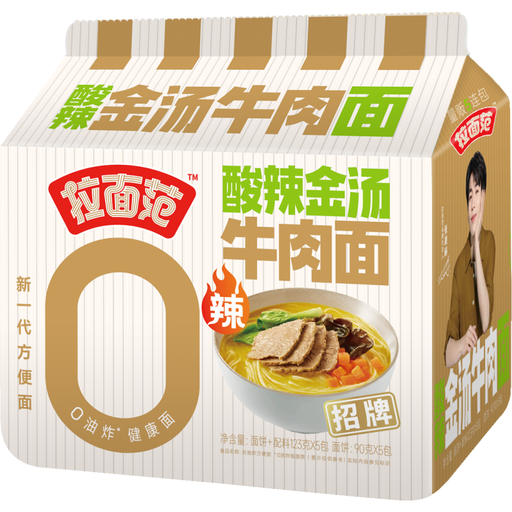
Why This Fits Their Persona: Handy for busy working days, students or a pantry stocked with meals that are ready in minutes.
The packaging lists separate noodles, soup base and vegetable sachet, as well as a specific preparation time of about 3 minutes.
Five portions; non-fried noodle cake according to the product description; contains wheat, soya and sesame.
Browse a current selection of noodles and compare the type, packaging, cooking method and product information before ordering.
Choose wide Vietnamese rice noodles, such as a 3 or 4 mm variety. Soak or boil them according to the packaging and add them to the broth at the right time. This prevents them from becoming too soft.
Store dried noodles in a cool, dry place away from direct sunlight. Seal an opened pack well. Fresh noodles need more attention: follow the storage instructions on the packaging and use them soon after opening.
Not always. A product made mainly from rice may contain no gluten-containing cereals according to the ingredients list, but cross-contamination or additional ingredients are still possible. So always check the current label and allergen information.
