
Vandaag of morgen in huis

Kwaliteit gegarandeerd

Welkomstaanbiedingen ontgrendelen: GRATIS bezorging | Tot 80% korting | Gratis 30 dagen JoyPlus-proefperiode
Download de app
Are you looking to buy Asian instant noodles for a quick meal, snack or to stock your cupboards? You’ll soon find dozens of options: Korean instant ramen, Japanese ramen, Indonesian Indomie noodles and Thai Tom Yum noodles. The differences aren’t just about flavour. The weight per serving, preparation method, allergens and overall pack size all determine whether a purchase is practical for you.
A multipack might look like a bargain, but first check the number of sachets and the weight per sachet. A box of 30 servings at 60 grams each isn’t directly comparable to six servings of 120 grams. Work out the price per serving and also pay attention to the net weight.
For a single-person snack, 60 to 75 grams can be enough. If you’re using instant noodles as a meal, you might prefer a serving of 105 to 145 grams, or add egg, vegetables, tofu or meat.
Terms like spicy ramen, hot chicken or spicy are used differently by different brands. The ingredients list can give you clues – such as chilli powder, chilli paste or chilli oil – but the actual experience varies from person to person. With products like Samyang Buldak noodles, the sauce is often a more important part of the flavour than with a mild chicken variety.
If you prefer less heat, you can use part of the sauce sachet. Always check the preparation instructions on the pack.
A product with chicken or prawn flavour doesn’t automatically contain real chicken or prawns, but it can still contain allergens. Nongshim Shin Ramyun, for example, lists wheat, soya, fish, shellfish, egg, milk, celery, mustard and sesame in its product information. Indomie varieties often contain wheat and may include celery or soya.
Do you have a food allergy or intolerance? Always use the current ingredients list and allergen information on the pack. Recipes and labels can vary by country or product version.
When comparing, look at:
A multipack with individual servings is practical when you want to use them gradually. A box of 20 or 30 pieces is better for heavy use, as long as you have enough storage space.
The preparation method varies by product. According to the product information, Nongshim Shin Ramyun is prepared with around 500 to 550 ml of boiling water and takes about 4 to 4.5 minutes to cook. Yum Yum noodles can be covered with around 320 ml of water in a bowl and left for three minutes. Omachi products typically use around 400 ml of water and about three minutes of steeping time.
So check before you buy whether you need a pan. Cup noodles and some cup varieties are suitable for the office, a student room or travel, while sachets often offer more preparation options, such as boiling or stir-frying.
Instant noodles are first and foremost a convenience product. So take a look at the nutritional information table, especially the salt content, fats and serving size. The values clearly differ by brand and flavour.
Also check for:
A brand’s claim about flavour or popularity is no objective guarantee of your preference. Focus on the product description, ingredients, origin and preparation method.
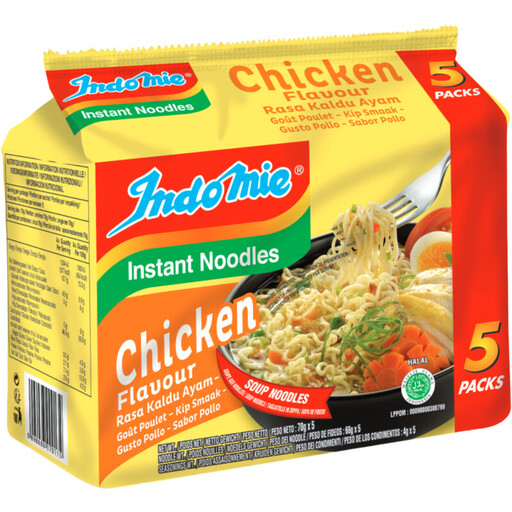
Why this fits the profile: A straightforward 5-pack with 70-gram servings for anyone who wants to try different Asian flavours without buying a large box straight away.
The number of sachets and weight per serving are clearly stated. This variety contains wheat; always check the pack for current allergen information.
5 x 70 grams, chicken flavour and a short preparation time for a quick meal or snack.
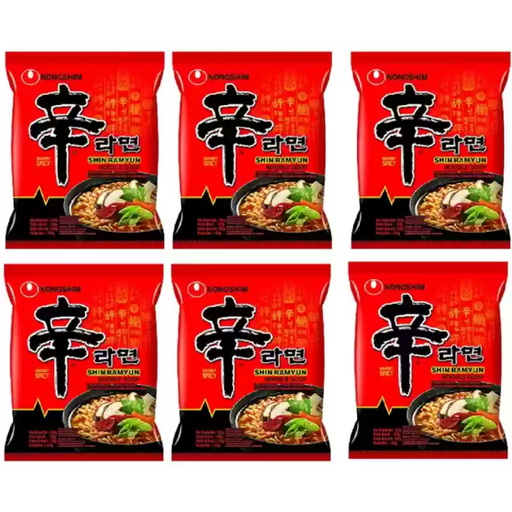
Why this fits the profile: The 120-gram serving and the described Korean broth suit fans of hearty instant ramen with a distinctive flavour.
The preparation states 550 ml of water and around 4.5 minutes of cooking time. The extensive allergen list helps you make an informed choice.
6 x 120 grams, made in South Korea according to the product information, and suitable for adding egg, vegetables or meat.

Why this fits the profile: A bulk pack of instant noodles for households, offices, catering or other users who regularly need a serving.
The box contains 20 individual servings of 120 grams each. This makes the stock easy to divide, and you don’t have to keep buying separate packs.
20 x 120 grams, preparation in around 4 to 5 minutes, and suitable for extra toppings.
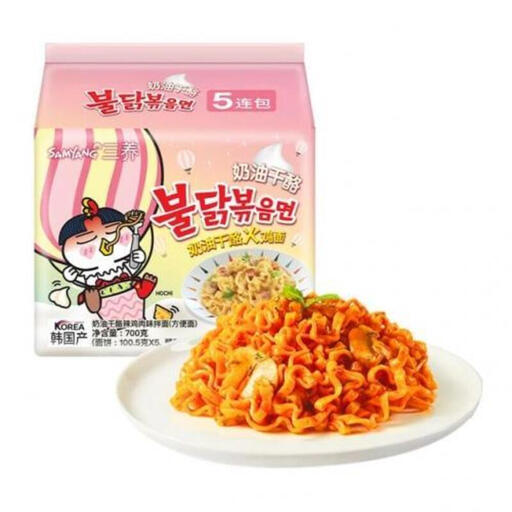
Why this fits the profile: The combination of chilli, carbonara and cheese is designed for anyone looking for a distinctive Korean flavour in a larger serving.
The product information states 5 x 140 grams and a preparation of around 2.5 minutes of boiling plus 30 seconds of mixing. Wheat, soya and milk are listed as allergens.
5 generous servings, creamy cheese flavour and halal certification according to the product description.
We’ve put together a full, up-to-date list of products that fully meet these strict selection criteria and comply with current European safety regulations.
For a milder choice, chicken noodles from Indomie or Yum Yum are practical as a snack or light meal. Yum Yum Chicken Bami Noodles come as a 5-pack of 60 grams. If you’re after a seafood flavour, you could look at Indomie prawn noodles, MAMA shrimp noodles or Acecook Tom Yum Shrimp. With these varieties, pay extra attention to shellfish, fish and soya in the allergen list.
For a dry preparation, Indomie Mi Goreng-style varieties are interesting: the spices, oil and sauce are mixed through the noodles after cooking. Japanese ramen and Korean instant ramen more often have a broth base, although different preparation methods exist within both categories.
Store unopened packs in a cool, dry place, away from direct sunlight and moisture. Check the best-before date on the pack and do not use any product where a sachet is damaged or leaking.
Follow the date and storage advice on the pack. Unopened instant noodles generally remain suitable until the stated date when stored in a dry, cool place. Always check the pack before preparation.
That depends on the serving size and what you add. A serving of 60 to 75 grams is often used as a snack. With a larger serving, egg, tofu, vegetables or another source of protein, you can make the meal more filling. Check the salt and fat content on the label.
Compare the price per serving and the weight per serving. A multipack of five sachets is handy for trying a flavour first. A box of 20 or 30 pieces can be more practical for regular use, but only if you can use the stock within the best-before date.
